
New Jersey Seeks Supreme Court Ruling on State Authority Over Sports Betting Regulation
Here's what it means for you.
If you engage in sports betting or prediction markets, the outcome of this case could reshape the legal landscape and your options.
Why it matters
This case could redefine the balance of power between state and federal authorities in regulating a multi-billion-dollar industry.
What happened (in 30 seconds)
- New Jersey filed a petition with the U.S. Supreme Court on September 2, 2026, challenging federal jurisdiction over sports betting on prediction markets.
- A circuit split emerged after conflicting rulings: the Third Circuit sided with Kalshi, while the Ninth Circuit supported Nevada's regulatory authority.
- The stakes are high, with sports betting revenue reaching $16.89 billion for U.S. states in 2025, excluding tribal casinos.
The context you actually need
- The 2018 Murphy v. NCAA decision allowed states to legalize sports betting, leading to the rise of platforms like Kalshi that offer event contracts on sports outcomes.
- Kalshi claims its contracts are swaps under the Dodd-Frank Act, exempting them from state gambling laws, which has led to legal challenges across multiple states.
- Litigation is ongoing in at least 20 states, with a coalition of 38 states opposing federal preemption of state gambling laws.
What's really happening
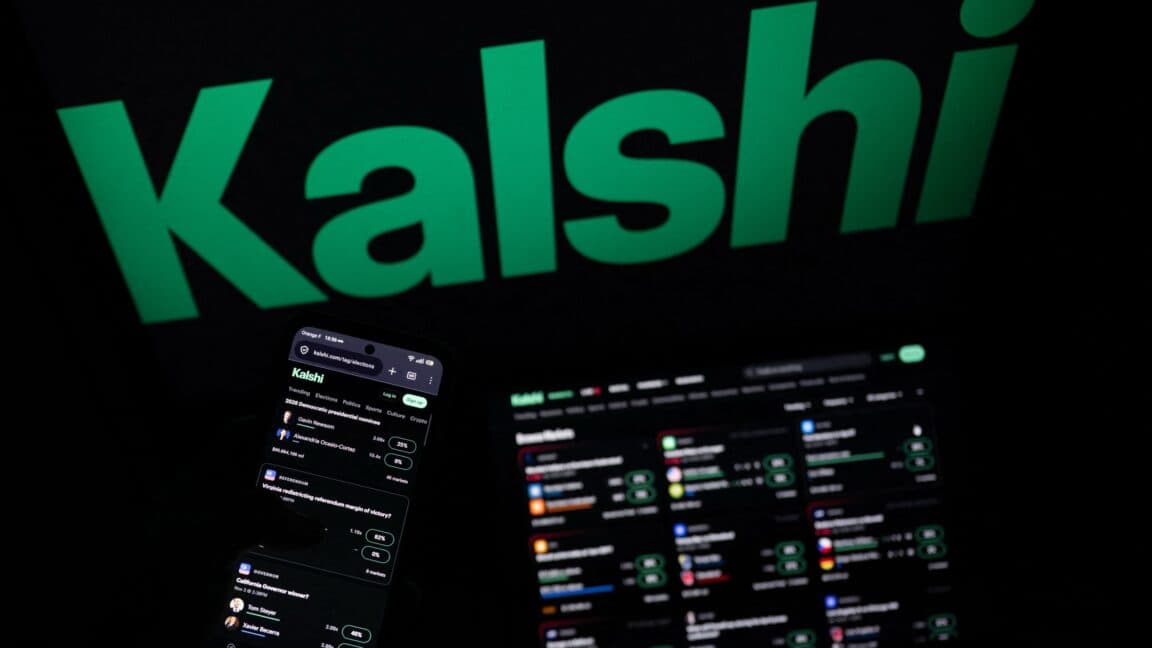
The legal battle over sports betting regulation is intensifying as New Jersey's petition to the U.S. Supreme Court highlights a critical divide in how states and federal authorities interpret the law. Following the landmark 2018 Murphy v. NCAA ruling, which struck down the federal ban on sports betting, states have rushed to legalize and regulate this lucrative market. Platforms like Kalshi emerged, offering prediction markets that allow users to bet on the outcomes of sporting events. However, Kalshi has registered with the Commodity Futures Trading Commission (CFTC) as a designated contract market, arguing that its event contracts are swaps rather than traditional bets, thus falling under federal jurisdiction.
This assertion has sparked a series of legal challenges. The Third Circuit Court of Appeals ruled in favor of Kalshi, stating that New Jersey's gambling laws were preempted by federal authority over swaps. In contrast, the Ninth Circuit found that Nevada could enforce its gaming laws against Kalshi, determining that the platform's sports bets were misclassified as swaps. This circuit split has created a legal gray area, prompting New Jersey to seek clarity from the Supreme Court.
The implications of this case extend beyond legal definitions; they touch on the very nature of state authority and the future of sports betting in the U.S. If the Supreme Court sides with New Jersey, it could empower states to regulate sports betting more robustly, potentially leading to increased revenues and consumer protections. Conversely, a ruling favoring Kalshi could solidify federal control over sports betting, limiting state regulatory powers and potentially stifling local markets.
As litigation continues across the country, with dozens of suits pending and several states obtaining injunctions against Kalshi, the outcome of this Supreme Court petition is being closely monitored by market participants. The stakes are high, not just for New Jersey and Kalshi, but for the entire sports betting industry, which generated nearly $17 billion in revenue for U.S. states in 2025 alone. The resolution of this case could set a precedent that shapes the regulatory landscape for years to come.
Who feels it first (and how)
- State regulators: They will need to adapt their laws based on the Supreme Court's ruling.
- Sports betting platforms: Companies like Kalshi may face operational changes depending on the outcome.
- Consumers: Bettors could see changes in the legality and availability of betting options in their states.
What to watch next
- Supreme Court timeline: Monitor when the Court will hear the case, as this will indicate how quickly the legal landscape may shift.
- State responses: Watch for how other states react to the petition and any new regulations they may propose in anticipation of the ruling.
- Market adjustments: Keep an eye on how sports betting platforms adjust their operations in response to ongoing litigation and potential rulings.
New Jersey has filed a petition with the Supreme Court regarding sports betting regulation.
The Supreme Court will hear the case, given the circuit split and national interest.
The specific outcome of the case and its implications for state versus federal authority remain uncertain.
Frequently Asked Questions
- Why it matters?
- This case could redefine the balance of power between state and federal authorities in regulating a multi-billion-dollar industry.
- What happened (in 30 seconds)?
- New Jersey filed a petition with the U.S. Supreme Court on September 2, 2026, challenging federal jurisdiction over sports betting on prediction markets. A circuit split emerged after conflicting rulings: the Third Circuit sided with Kalshi, while the Ninth Circuit supported Nevada's regulatory authority. The stakes are high, with sports betting revenue reaching $16.89 billion for U.S. states in 2025, excluding tribal casinos.
- What's really happening?
- The legal battle over sports betting regulation is intensifying as New Jersey's petition to the U.S. Supreme Court highlights a critical divide in how states and federal authorities interpret the law. Following the landmark 2018 Murphy v. NCAA ruling, which struck down the federal ban on sports betting, states have rushed to legalize and regulate this lucrative market. Platforms like Kalshi emerged, offering prediction markets that allow users to bet on the outcomes of sporting events. However,
- Who feels it first (and how)?
- State regulators: They will need to adapt their laws based on the Supreme Court's ruling. Sports betting platforms: Companies like Kalshi may face operational changes depending on the outcome. Consumers: Bettors could see changes in the legality and availability of betting options in their states.
- What to watch next?
- Supreme Court timeline: Monitor when the Court will hear the case, as this will indicate how quickly the legal landscape may shift. State responses: Watch for how other states react to the petition and any new regulations they may propose in anticipation of the ruling. Market adjustments: Keep an eye on how sports betting platforms adjust their operations in response to ongoing litigation and potential rulings.
In-depth reporting on tech, policy, and science including AI.
"Respected analysis for technically savvy readers, including AI topics."
— A47 Editor
Supreme Court urged to let states regulate sports bets on prediction markets
The Supreme Court has been urged to allow states to regulate sports betting on prediction markets, particularly in light of a circuit split that increases the likelihood of a ruling on the ongoing legal battle involving Kalshi. This case highlights t...
In-depth coverage of hardware, software, science, and policy.
"Ars Technica provides expert technology news, hardware reviews, and analysis for a technically savvy audience."
— A47 Editor
Supreme Court urged to let states regulate sports bets on prediction markets
The Supreme Court has been urged to allow states to regulate sports betting on prediction markets, particularly in light of a circuit split that increases the likelihood of a ruling on the ongoing legal battle involving Kalshi. This case highlights t...
Science discoveries, research, and analysis.
"NPR is a nonprofit media organization offering thoughtful, in-depth journalism and storytelling, often with a liberal or progressive slant."
— A47 Editor
New Jersey asks Supreme Court to resolve fight over Kalshi's future
New Jersey has petitioned the Supreme Court to intervene in the ongoing legal disputes surrounding Kalshi, a prediction market platform, which could have significant implications for the future of prediction markets in the United States.
Covers blockchain, cryptocurrency news, project analysis, and market insights.
"CoinDesk is a well-established cryptocurrency and blockchain news provider, offering comprehensive insights, market data, and industry research."
— A47 Editor
New Jersey becomes first state to ask Supreme Court to weigh in on prediction markets
New Jersey has become the first state to petition the U.S. Supreme Court to address the legality of prediction markets, specifically concerning the offerings of sporting event contracts by the platform Kalshi. This request follows conflicting rulings...