
Trump Issues Trade Embargo Ultimatum to Federal Reserve Over Interest Rates
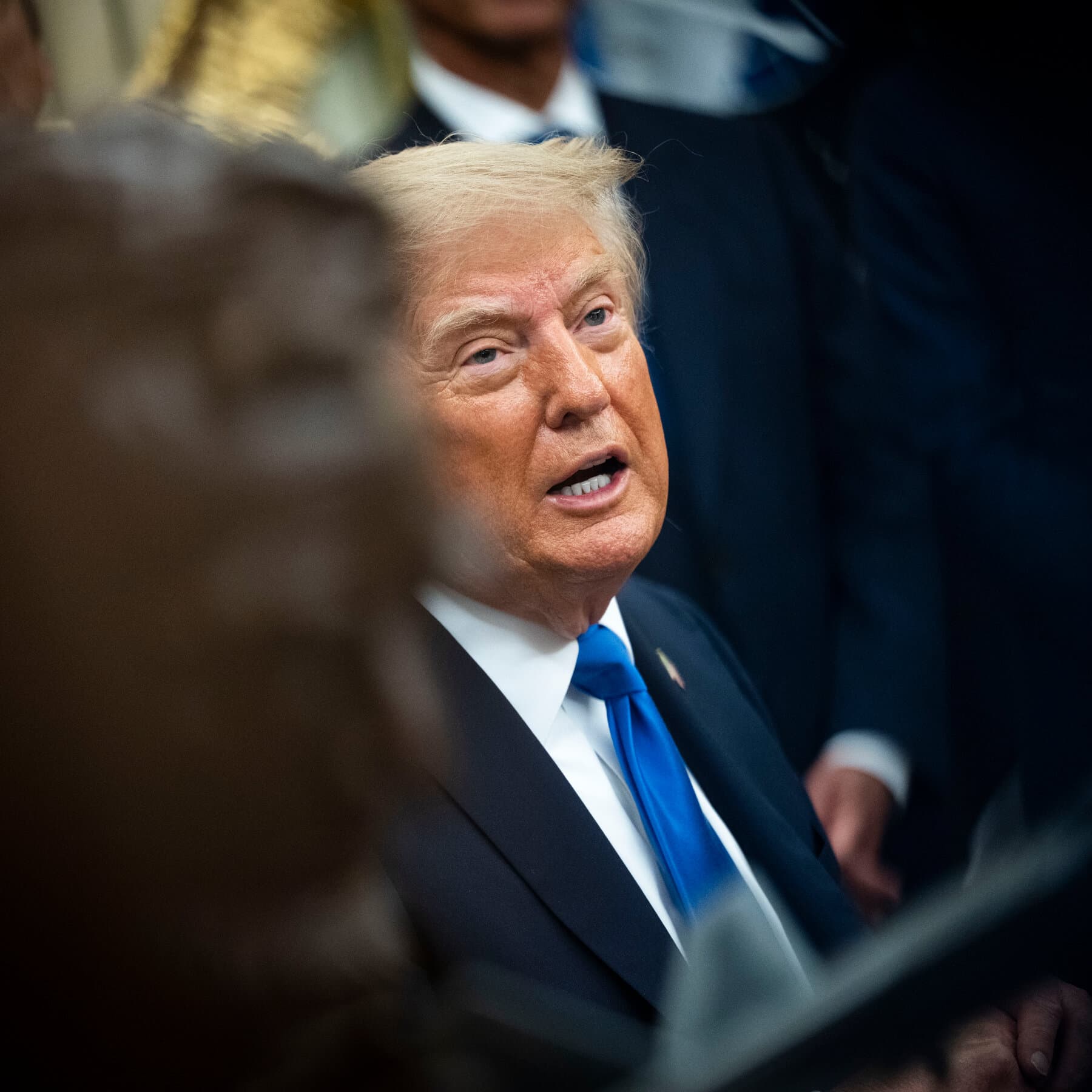
Here's what it means for you.
If you’re involved in global trade or finance, this ultimatum could reshape market dynamics and borrowing costs.
Why it matters
This ultimatum threatens to disrupt international trade relations and influence U.S. monetary policy.
What happened (in 30 seconds)
- On September 4, 2026, President Trump issued a trade embargo ultimatum demanding the Federal Reserve cut interest rates or face halted trade with deficit countries.
- The ultimatum followed strong job growth data, with 162,000 new positions added in August, exceeding expectations.
- Financial markets showed no immediate reaction, as analysts viewed the threat as more of a political statement than a credible policy.
The context you actually need
- U.S. inflation has remained above the Fed's 2% target, with interest rates steady since December 2025, creating pressure for cuts.
- Trump's previous influence on the Fed led to the appointment of Kevin Warsh as chair, indicating a shift in central bank dynamics.
- The U.S. recorded a $1.2 trillion trade deficit in 2025, primarily with China and Mexico, intensifying the urgency for trade policy changes.
What's really happening
President Trump's ultimatum to the Federal Reserve represents a significant escalation in his ongoing campaign to influence U.S. monetary policy. By leveraging the recent positive jobs report, which showed 162,000 new positions added in August, Trump is attempting to frame the economic narrative in a way that supports his demands for lower interest rates. His assertion that high rates disadvantage the U.S. in global trade is rooted in a broader strategy to position the U.S. economy as robust and competitive.
The ultimatum is not merely a rhetorical flourish; it reflects a deeper tension between the executive branch and the Federal Reserve, particularly under the leadership of Kevin Warsh, who has faced increasing pressure from Trump. The President's claim of unilateral authority to impose trade embargoes, citing Supreme Court precedent, raises questions about the limits of presidential power and the independence of the Fed. This could set a precedent for future administrations, potentially leading to a more politicized central bank.
Moreover, the backdrop of persistent inflation complicates the situation. With inflation rates above the Fed's target, the central bank has been cautious about rate cuts, fearing that such actions could exacerbate inflationary pressures. Trump's ultimatum could force the Fed into a corner, where it must balance its mandate for price stability against the political pressure to stimulate economic growth through lower borrowing costs.
The potential fallout from this ultimatum could be significant. If Trump follows through on his threat, it could lead to a trade war escalation, impacting global supply chains and economic stability. Economists have warned that such a move could trigger supply shocks, further complicating the already fragile economic landscape. The lack of immediate market reaction suggests that many analysts view the ultimatum as a political maneuver rather than a serious policy threat, but the long-term implications could still be profound.
Who feels it first (and how)
- Global traders: Those involved in international commerce may face uncertainty and potential disruptions in trade flows.
- Financial institutions: Banks and lenders could see shifts in borrowing costs and market volatility.
- Exporters and importers: Companies reliant on trade with countries facing embargoes may experience immediate impacts on their operations and profitability.
- Consumers: Prices for goods could rise if trade barriers are enacted, affecting purchasing power.
What to watch next
- Federal Reserve's response: Monitor any statements or actions from the Fed regarding interest rates, as they will indicate how seriously they take Trump's ultimatum.
- Trade negotiations: Watch for developments in U.S. trade relations, particularly with countries like China and Mexico, which could signal broader economic impacts.
- Market reactions: Keep an eye on financial markets for any signs of volatility or shifts in investor sentiment in response to this ultimatum.
Trump issued a trade embargo ultimatum to the Federal Reserve.
The Fed will face increased pressure to respond to the ultimatum, impacting its policy decisions.
The long-term effects on global trade and U.S. economic stability remain uncertain.
Frequently Asked Questions
- Why it matters?
- This ultimatum threatens to disrupt international trade relations and influence U.S. monetary policy.
- What happened (in 30 seconds)?
- On September 4, 2026, President Trump issued a trade embargo ultimatum demanding the Federal Reserve cut interest rates or face halted trade with deficit countries. The ultimatum followed strong job growth data, with 162,000 new positions added in August, exceeding expectations. Financial markets showed no immediate reaction, as analysts viewed the threat as more of a political statement than a credible policy.
- What's really happening?
- President Trump's ultimatum to the Federal Reserve represents a significant escalation in his ongoing campaign to influence U.S. monetary policy. By leveraging the recent positive jobs report, which showed 162,000 new positions added in August, Trump is attempting to frame the economic narrative in a way that supports his demands for lower interest rates. His assertion that high rates disadvantage the U.S. in global trade is rooted in a broader strategy to position the U.S. economy as robust and
- Who feels it first (and how)?
- Global traders: Those involved in international commerce may face uncertainty and potential disruptions in trade flows. Financial institutions: Banks and lenders could see shifts in borrowing costs and market volatility. Exporters and importers: Companies reliant on trade with countries facing embargoes may experience immediate impacts on their operations and profitability. Consumers: Prices for goods could rise if trade barriers are enacted, affecting purchasing power.
- What to watch next?
- Federal Reserve's response: Monitor any statements or actions from the Fed regarding interest rates, as they will indicate how seriously they take Trump's ultimatum. Trade negotiations: Watch for developments in U.S. trade relations, particularly with countries like China and Mexico, which could signal broader economic impacts. Market reactions: Keep an eye on financial markets for any signs of volatility or shifts in investor sentiment in response to this ultimatum.
Sports reporting with a focus on Saudi and regional competitions.
"Okaz sports coverage is broad and audience-friendly, with strong attention to Saudi teams and leagues."
— A47 Editor
ترمب يهدد «الفيدرالي»: خفضوا نسبة الفائدة وإلا سأوقف التجارة مع بعض الدول
U.S. President Donald Trump has threatened to halt trade with certain countries unless the Federal Reserve eases its monetary policy. In a post on his platform Truth Social, Trump called for a reduction in interest rates, linking it to the trade defi...
Global business headlines with AI angles.
"General business outlet that frequently covers AI."
— A47 Editor
The Jobs Report Surprised To The Upside. Stocks Dropped.
The recent jobs report exceeded expectations, yet stocks fell sharply, prompting President Donald Trump to call for interest rate cuts from the Federal Reserve and threatening to halt trade with countries where the U.S. has a deficit.
Markets, economy, and company analysis from NYT’s business desk.
"The New York Times is a globally recognized newspaper offering authoritative reporting with a center-left editorial stance."
— A47 Editor
Trump Threatens to Halt Some Trade Unless the Fed Cuts Rates
President Trump has threatened to halt trade with countries that have a trade deficit with the United States unless the Federal Reserve agrees to lower interest rates. This statement reflects his ongoing efforts to influence monetary policy amid conc...
Right-of-center views on political news.
"The Washington Times is a conservative-leaning newspaper known for its political coverage and advocacy of right-of-center viewpoints."
— A47 Editor
Trump says he will stop trade with certain countries if the Fed doesn't lower interest rates
President Trump has stated that he will halt trade with certain countries if the Federal Reserve does not lower interest rates. He expressed concern over countries that export significantly to the U.S. but do not reciprocate with equal imports from A...
Global business headlines with AI angles.
"General business outlet that frequently covers AI."
— A47 Editor
Trump Just Demanded The Fed Cut Interest Rates. He Threatened With Trade Measures Otherwise.
Former President Donald Trump has publicly demanded that the Federal Reserve cut interest rates, threatening to halt trade with countries where the U.S. has a trade deficit if his request is not met. This statement was made via social media, reflecti...