
Maduro and Wife File for Dismissal of U.S. Drug Charges Citing Sovereign Immunity
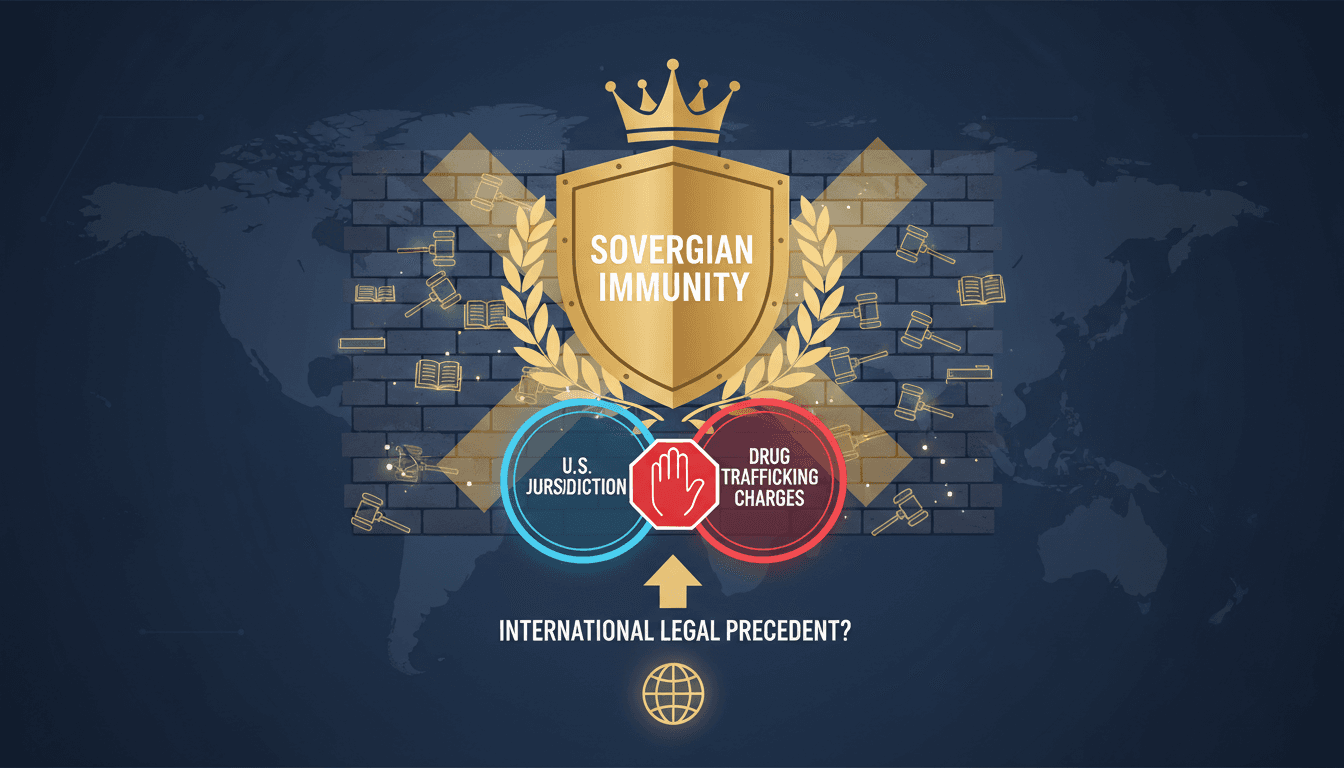
Here's what it means for you.
The outcome of this legal battle could redefine international norms around sovereign immunity and its implications for global governance.
Why it matters
This case could set a precedent affecting how international law is applied to heads of state accused of serious crimes.
What happened (in 30 seconds)
- On September 3, 2026, Nicolás Maduro and Cilia Flores filed motions in Manhattan federal court to dismiss drug trafficking charges based on sovereign immunity.
- They were arrested by U.S. forces in January 2026 during a military operation and face multiple federal charges, including narco-terrorism conspiracy.
- The court has scheduled a response from prosecutors by October 2, 2026, with oral arguments set for November 17, 2026, and a trial date of June 1, 2027.
The context you actually need
- Sovereign immunity is a principle in international law that protects heads of state from prosecution in foreign courts, complicating legal accountability for serious crimes.
- Maduro's defense hinges on the argument that he remains the recognized head of state of Venezuela, despite his removal from power, which could influence similar cases globally.
- The U.S. military operation that led to their arrest reflects ongoing tensions between the U.S. and Venezuela, particularly regarding drug trafficking and governance issues.
What's really happening
Nicolás Maduro and Cilia Flores are leveraging the principle of sovereign immunity to challenge their drug trafficking charges in a U.S. court. This legal maneuver is rooted in international law, which traditionally protects heads of state from prosecution in foreign jurisdictions. By asserting that they were recognized as Venezuela's legitimate leaders at the time of their indictment, they aim to invoke a legal shield that has historically been upheld in international relations.
The couple faces four criminal counts, including narco-terrorism conspiracy and cocaine importation conspiracy, stemming from allegations of their involvement in drug trafficking networks. Their defense argues that the U.S. lacks jurisdiction over them due to their sovereign status, a claim that could resonate beyond their case. If successful, it may embolden other leaders facing similar charges to invoke sovereign immunity, potentially undermining efforts to hold powerful figures accountable for crimes against humanity or drug trafficking.
The implications of this case extend into the realm of international diplomacy and law. Should the court uphold their immunity claims, it could set a precedent that complicates future prosecutions of foreign leaders, particularly in cases involving serious allegations like drug trafficking. Conversely, if the court denies their motions, it could signal a shift in how sovereign immunity is interpreted, potentially allowing for greater accountability of leaders accused of serious crimes.
This legal battle is not just about Maduro and Flores; it reflects broader tensions in international law regarding the balance between state sovereignty and accountability. The outcome could influence how nations approach similar cases in the future, impacting diplomatic relations and international legal frameworks.
Who feels it first (and how)
- Legal professionals: They will need to navigate the evolving landscape of international law regarding sovereign immunity.
- Governments: Nations with leaders facing similar charges may reassess their legal strategies and diplomatic relations.
- Human rights organizations: They could see a shift in the ability to hold leaders accountable for crimes against humanity, affecting advocacy efforts.
What to watch next
- Prosecutors' response on October 2, 2026: This will clarify the U.S. government's stance on the jurisdictional claims and could influence public perception.
- Oral arguments on November 17, 2026: The arguments presented could reveal the court's leanings and set the tone for the trial.
- Trial set for June 1, 2027: The outcome will be pivotal in determining the future of sovereign immunity in international law.
Maduro and Flores are facing serious drug trafficking charges in the U.S.
The court will engage in a complex legal analysis of sovereign immunity principles.
The broader implications for international law and future prosecutions of foreign leaders remain uncertain.
Frequently Asked Questions
- Why it matters?
- This case could set a precedent affecting how international law is applied to heads of state accused of serious crimes.
- What happened (in 30 seconds)?
- On September 3, 2026, Nicolás Maduro and Cilia Flores filed motions in Manhattan federal court to dismiss drug trafficking charges based on sovereign immunity. They were arrested by U.S. forces in January 2026 during a military operation and face multiple federal charges, including narco-terrorism conspiracy. The court has scheduled a response from prosecutors by October 2, 2026, with oral arguments set for November 17, 2026, and a trial date of June 1, 2027.
- What's really happening?
- Nicolás Maduro and Cilia Flores are leveraging the principle of sovereign immunity to challenge their drug trafficking charges in a U.S. court. This legal maneuver is rooted in international law, which traditionally protects heads of state from prosecution in foreign jurisdictions. By asserting that they were recognized as Venezuela's legitimate leaders at the time of their indictment, they aim to invoke a legal shield that has historically been upheld in international relations. The couple fac
- Who feels it first (and how)?
- Legal professionals: They will need to navigate the evolving landscape of international law regarding sovereign immunity. Governments: Nations with leaders facing similar charges may reassess their legal strategies and diplomatic relations. Human rights organizations: They could see a shift in the ability to hold leaders accountable for crimes against humanity, affecting advocacy efforts.
- What to watch next?
- Prosecutors' response on October 2, 2026: This will clarify the U.S. government's stance on the jurisdictional claims and could influence public perception. Oral arguments on November 17, 2026: The arguments presented could reveal the court's leanings and set the tone for the trial. Trial set for June 1, 2027: The outcome will be pivotal in determining the future of sovereign immunity in international law.
Arabic-language political and world news coverage for UAE readers.
"Emarat Al Youm world coverage usually presents international developments through a UAE and Arab audience lens."
— A47 Editor
مادورو وزوجته يطلبان إسقاط الاتهامات ضدهما مادورو وزوجته يطلبان إسقاط الاتهامات ضدهما
Former Venezuelan President Nicolás Maduro and his wife have requested an American judge to dismiss the charges against them related to drug trafficking. This legal move comes amid ongoing scrutiny of their actions and the implications of their leade...
Arabic-language political and world news coverage for UAE readers.
"Emarat Al Youm world coverage usually presents international developments through a UAE and Arab audience lens."
— A47 Editor
مادورو يطلب إسقاط تهم المخدرات الأميركية بناء على حصانته الرئاسية مادورو يطلب إسقاط تهم المخدرات الأميركية بناء على حصانته الرئاسية
Former Venezuelan President Nicolás Maduro and his wife, Cilia Flores, have requested an American judge to dismiss drug trafficking charges against them, citing presidential immunity as a basis for their appeal. This legal move comes amid ongoing scr...
International stories from NPR’s global desk.
"NPR is an American public media organization known for thoughtful reporting and a slightly left-leaning editorial tone."
— A47 Editor
Ex-Venezuelan President Nicolás Maduro and wife seek to end drug charges case on immunity grounds
Former Venezuelan President Nicolás Maduro and his wife, Cilia Flores, have requested a U.S. judge to dismiss drug trafficking charges against them, citing immunity as a foreign leader and first lady. This legal maneuver comes as they face serious al...