
US Secretary of State Rubio Issues Warning to Iran Following Destruction of Oil Tankers
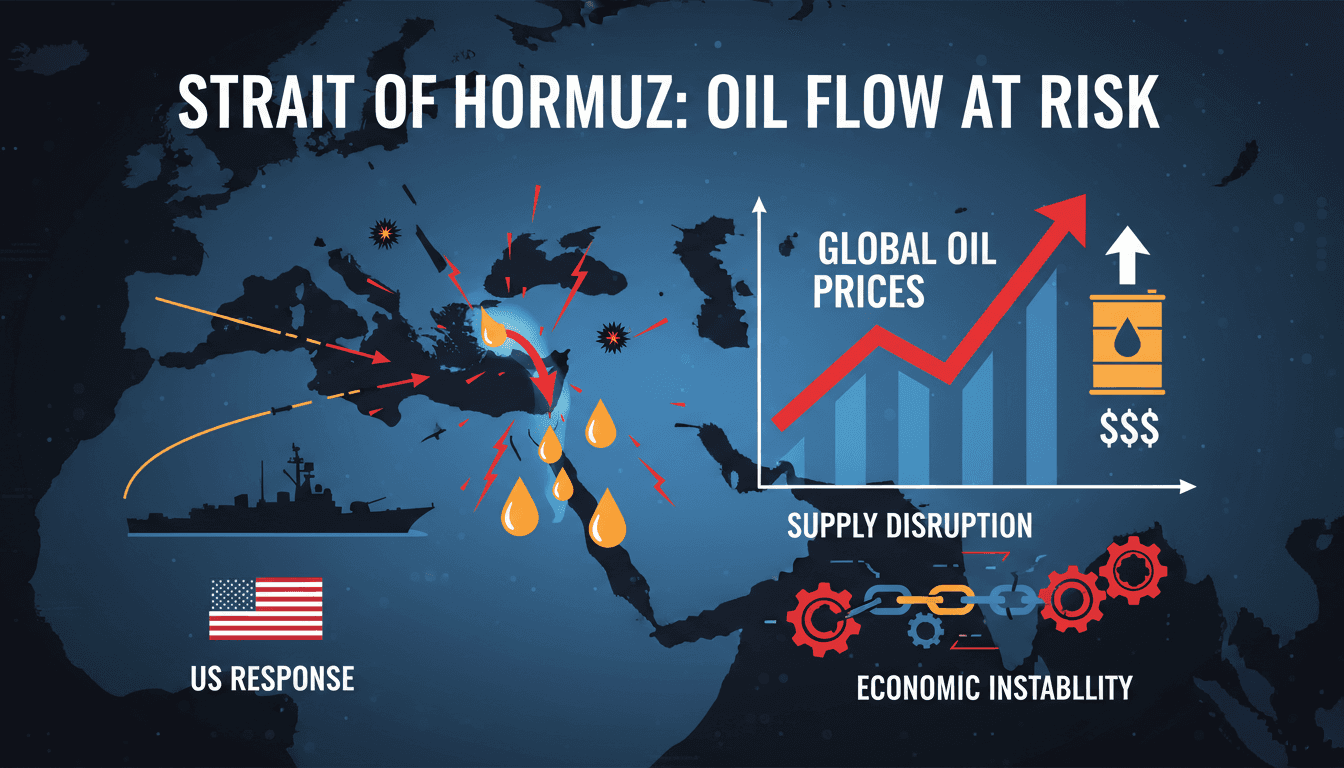
Why it matters
The ongoing conflict between the US and Iran threatens global oil supply, affecting prices and economic stability worldwide.
What happened (in 30 seconds)
- US Secretary of State Marco Rubio warned Iran of continued losses in oil tankers following naval attacks.
- CENTCOM destroyed five Iranian oil tankers after missile attempts targeted a US Navy warship in the Gulf of Oman.
- Tensions have escalated since February 2026, focusing on control of the Strait of Hormuz, a critical shipping route.
The context you actually need
- The Strait of Hormuz is a vital passage for approximately 20% of the world's oil supply, making it a focal point for geopolitical tensions.
- Iran's Islamic Revolutionary Guard Corps (IRGC) has been actively involved in disrupting shipping routes, prompting US military responses.
- Oil markets reacted sharply, with Brent crude prices nearing $100 per barrel, indicating fears of supply disruptions.
What's really happening
The recent escalation in US-Iran tensions stems from a broader conflict that began in February 2026, primarily focused on Iran's nuclear ambitions and its military capabilities. The US and its allies, particularly Israel, have launched military operations targeting Iranian nuclear facilities and missile sites. In response, Iran has threatened to disrupt shipping in the Strait of Hormuz, a critical chokepoint for global oil transport.
On September 8, 2026, US Central Command (CENTCOM) executed a military operation that resulted in the destruction of five Iranian crude oil tankers. This action was a direct response to two ballistic missile launches aimed at a US Navy warship, which fortunately evaded damage. The US military had prior intelligence that allowed them to warn the crews of the Iranian tankers to evacuate before the strikes, minimizing casualties but effectively crippling Iran's oil export capabilities.
Secretary Rubio's statements in Colombia emphasized a clear deterrent message: any further Iranian aggression towards US naval assets would result in additional losses of Iranian tankers. This tit-for-tat dynamic is likely to escalate, as Iran may retaliate with more aggressive tactics, potentially leading to further military engagements.
The implications of this conflict extend beyond military posturing. The destruction of Iranian tankers not only disrupts Iran's oil exports but also raises concerns about global oil supply stability. As oil prices surge, consumers and businesses worldwide will feel the impact, particularly in regions heavily reliant on oil imports, such as Europe and Asia.
Moreover, the ongoing conflict could lead to increased shipping costs and delays, affecting global trade. The heightened military presence in the region may also deter other shipping companies from operating in the Gulf of Oman, further exacerbating supply chain issues.
In summary, the US-Iran naval tensions are not just a regional issue; they have significant global ramifications, particularly for oil markets and international trade.
Who feels it first (and how)
- Consumers: Higher fuel prices and increased costs for goods and services.
- Businesses: Companies reliant on oil imports will face rising operational costs.
- Shipping companies: Increased insurance premiums and potential rerouting due to safety concerns.
- Investors: Volatility in oil markets may impact stock prices and investment strategies.
- Governments: Nations dependent on oil imports will need to manage economic pressures and public sentiment.
What to watch next
- Oil price fluctuations: Monitor Brent crude prices as they may indicate market reactions to ongoing tensions.
- Military engagements: Watch for any new military actions from either side that could escalate the conflict further.
- Diplomatic efforts: Keep an eye on potential negotiations or peace talks that could de-escalate tensions.
The US will continue military operations against Iranian naval assets if attacks persist.
Oil prices will remain volatile as markets react to geopolitical developments.
The long-term impact on US-Iran relations and potential for diplomatic resolutions.
Frequently Asked Questions
- Why it matters?
- The ongoing conflict between the US and Iran threatens global oil supply, affecting prices and economic stability worldwide.
- What happened (in 30 seconds)?
- US Secretary of State Marco Rubio warned Iran of continued losses in oil tankers following naval attacks. CENTCOM destroyed five Iranian oil tankers after missile attempts targeted a US Navy warship in the Gulf of Oman. Tensions have escalated since February 2026, focusing on control of the Strait of Hormuz, a critical shipping route.
- What's really happening?
- The recent escalation in US-Iran tensions stems from a broader conflict that began in February 2026, primarily focused on Iran's nuclear ambitions and its military capabilities. The US and its allies, particularly Israel, have launched military operations targeting Iranian nuclear facilities and missile sites. In response, Iran has threatened to disrupt shipping in the Strait of Hormuz, a critical chokepoint for global oil transport. On September 8, 2026, US Central Command (CENTCOM) executed a
- Who feels it first (and how)?
- Consumers: Higher fuel prices and increased costs for goods and services. Businesses: Companies reliant on oil imports will face rising operational costs. Shipping companies: Increased insurance premiums and potential rerouting due to safety concerns. Investors: Volatility in oil markets may impact stock prices and investment strategies. Governments: Nations dependent on oil imports will need to manage economic pressures and public sentiment.
- What to watch next?
- Oil price fluctuations: Monitor Brent crude prices as they may indicate market reactions to ongoing tensions. Military engagements: Watch for any new military actions from either side that could escalate the conflict further. Diplomatic efforts: Keep an eye on potential negotiations or peace talks that could de-escalate tensions.
Jordanian news and regional updates.
"Roya News is a Jordanian outlet focused on breaking news and local affairs."
— A47 Editor
روبيو: إيران تحاول ضرب السفن الأمريكية وستخر سُفنها النفطية
U.S. Secretary of State Marco Rubio has asserted that Iran is attempting to target American ships and will likely attack its oil vessels. This statement highlights ongoing tensions between the United States and Iran, particularly concerning maritime ...
Jordanian news and regional updates.
"Roya News is a Jordanian outlet focused on breaking news and local affairs."
— A47 Editor
روبيو: يد إيران تقف وراء هجمات الحوثيين على السعودية
U.S. Senator Marco Rubio has condemned the Iranian influence behind the Houthi attacks on Saudi Arabia, highlighting the ongoing regional tensions and the implications of foreign involvement in the conflict. The United States, along with the Gulf Coo...
Arabic-language coverage of political affairs and current events.
"Okaz political coverage typically follows mainstream Saudi framing on national and regional affairs."
— A47 Editor
الجيش اليمني يطلق عملية في تعز.. روبيو: إيران وراء هجمات الحوثيين
U.S. Secretary of State Marco Rubio accused Iran of being behind the recent Houthi attacks on Saudi territory, stating that the U.S. is closely monitoring the situation. He emphasized the strong military defense relationship between the U.S. and Saud...