
Iran Escalates Military Threats Against US Amid Strait of Hormuz Tensions
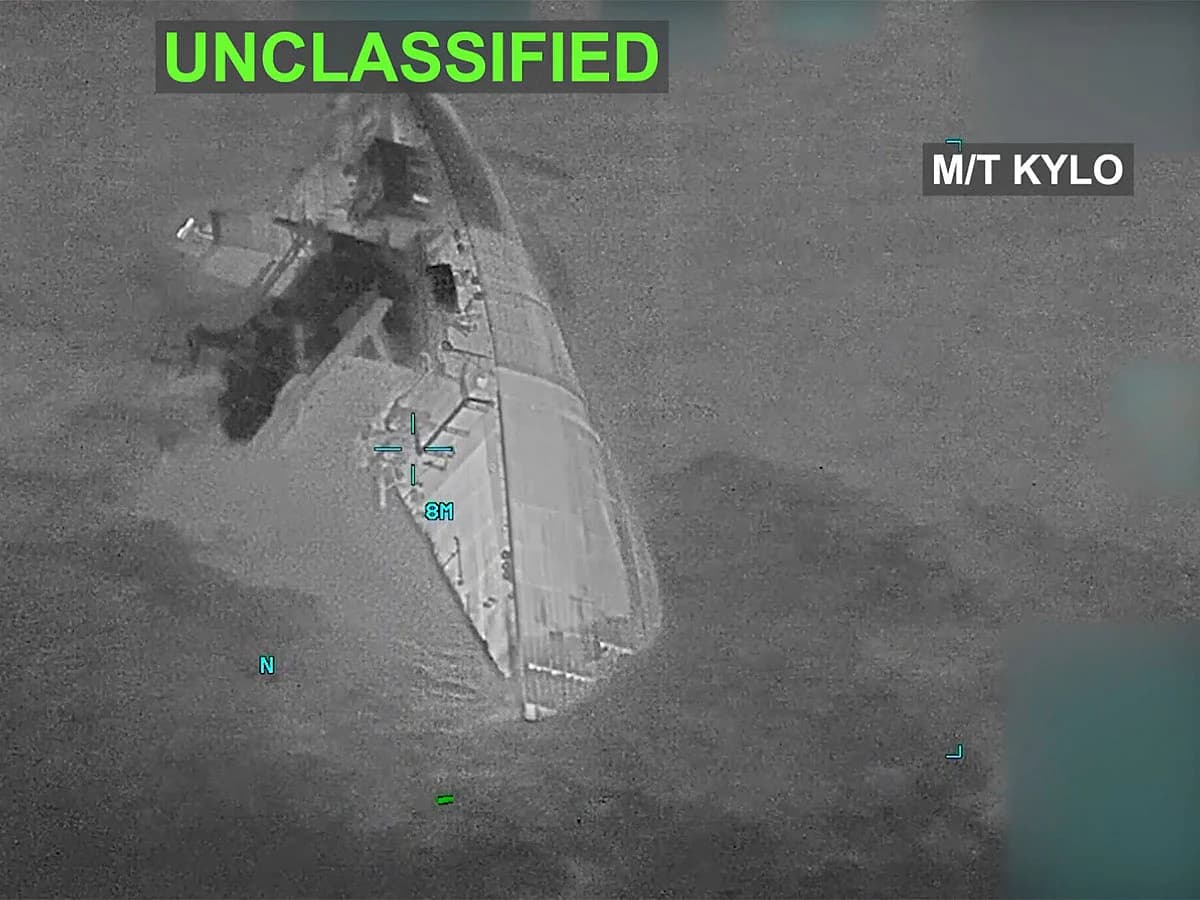
Rising tensions in the Strait of Hormuz could lead to increased oil prices, impacting your energy costs and economic stability.
Why it matters
The ongoing conflict over the Strait of Hormuz is critical as it affects global oil supply and prices, directly influencing economies worldwide.
What happened (in 30 seconds)
- Iran's top negotiator, Mohammad Bagher Ghalibaf, threatened a 'faster, more intense' military response to any further US attacks on September 6, 2026.
- The US conducted strikes on three Iranian oil tankers in retaliation for missile attacks on US-linked vessels, escalating the ongoing conflict.
- Iran's Islamic Revolutionary Guard Corps (IRGC) has targeted US-linked ships while the US enforces a counter-blockade and sanctions.
The context you actually need
- The Strait of Hormuz is a vital waterway through which approximately 20% of the world's oil passes, making it a focal point for geopolitical tensions.
- The US-Iran conflict has been marked by mutual blockades and military actions over the past six months, with both sides seeking to assert control and influence in the region.
- Iran's threats signal a shift from measured responses to aggressive posturing, indicating a potential for increased military engagement and instability in the region.
What's really happening
The recent escalation in the US-Iran conflict is rooted in a complex interplay of military strategy, economic sanctions, and regional power dynamics. The Strait of Hormuz serves as a critical chokepoint for global oil shipments, making it a strategic asset for both Iran and the United States.
Iran's threats of accelerated retaliation come after a series of US strikes on Iranian oil tankers, which were perceived as direct attacks on its sovereignty and economic interests. The Iranian government, particularly through the IRGC, has been actively targeting vessels linked to US interests, aiming to deter further aggression and maintain its leverage in the region. This tit-for-tat military engagement has created a volatile environment, where both sides are increasingly willing to escalate their responses.
The economic implications are significant. With Brent crude oil prices hovering around $97 per barrel, any disruption in the Strait of Hormuz could lead to further price spikes, affecting global markets and consumer costs. The Iranian government has already responded to the situation by raising petrol prices domestically, indicating that the economic fallout is being felt at home as well.
Moreover, the broader geopolitical landscape is shifting. The US's military presence in the region, under CENTCOM, is aimed at enforcing maritime security and countering Iranian influence. However, this strategy risks entangling the US in a prolonged conflict that could have far-reaching consequences for its foreign policy and military resources.
As tensions rise, the potential for miscalculation increases. Both nations are under pressure to demonstrate strength, which could lead to unintended escalations. The situation is further complicated by the involvement of regional players, such as Israel, which has been active in countering Iranian influence in neighboring countries.
In summary, the ongoing conflict over the Strait of Hormuz is not just a regional issue; it has global ramifications that could affect energy prices, economic stability, and international relations.
Who feels it first (and how)
- Consumers: Higher fuel prices will directly impact household budgets and transportation costs.
- Energy Sector: Companies reliant on stable oil prices may face increased operational costs and market volatility.
- Shipping and Logistics: Disruptions in the Strait could lead to delays and increased shipping costs, affecting global supply chains.
- Investors: Market fluctuations in oil prices may influence investment strategies and portfolio performance.
What to watch next
- Oil Price Trends: Monitor Brent crude prices for signs of volatility, as they will indicate market reactions to ongoing tensions.
- Military Movements: Keep an eye on US and Iranian military deployments in the region, which could signal further escalation or de-escalation.
- Diplomatic Efforts: Watch for any new negotiations or peace talks that could emerge, potentially altering the current trajectory of conflict.
The Strait of Hormuz is a critical global oil transit route, and disruptions will affect oil prices.
Increased military engagement between the US and Iran could lead to further economic sanctions and retaliatory actions.
The long-term impact on global oil supply and prices remains uncertain, depending on the outcomes of military and diplomatic actions.
Frequently Asked Questions
- Why it matters?
- The ongoing conflict over the Strait of Hormuz is critical as it affects global oil supply and prices, directly influencing economies worldwide.
- What happened (in 30 seconds)?
- Iran's top negotiator, Mohammad Bagher Ghalibaf, threatened a 'faster, more intense' military response to any further US attacks on September 6, 2026. The US conducted strikes on three Iranian oil tankers in retaliation for missile attacks on US-linked vessels, escalating the ongoing conflict. Iran's Islamic Revolutionary Guard Corps (IRGC) has targeted US-linked ships while the US enforces a counter-blockade and sanctions.
- What's really happening?
- The recent escalation in the US-Iran conflict is rooted in a complex interplay of military strategy, economic sanctions, and regional power dynamics. The Strait of Hormuz serves as a critical chokepoint for global oil shipments, making it a strategic asset for both Iran and the United States. Iran's threats of accelerated retaliation come after a series of US strikes on Iranian oil tankers, which were perceived as direct attacks on its sovereignty and economic interests. The Iranian government
- Who feels it first (and how)?
- Consumers: Higher fuel prices will directly impact household budgets and transportation costs. Energy Sector: Companies reliant on stable oil prices may face increased operational costs and market volatility. Shipping and Logistics: Disruptions in the Strait could lead to delays and increased shipping costs, affecting global supply chains. Investors: Market fluctuations in oil prices may influence investment strategies and portfolio performance.
- What to watch next?
- Oil Price Trends: Monitor Brent crude prices for signs of volatility, as they will indicate market reactions to ongoing tensions. Military Movements: Keep an eye on US and Iranian military deployments in the region, which could signal further escalation or de-escalation. Diplomatic Efforts: Watch for any new negotiations or peace talks that could emerge, potentially altering the current trajectory of conflict.
Arabic-language coverage of Saudi, regional, and international affairs.
"Al Bilad offers mainstream Saudi newspaper coverage across domestic and broader Arab topics."
— A47 Editor
حرب ناعمة لحشد الداخل.. طهران تتوعد واشنطن برد «أسرع وأثقل»
Iran has escalated its rhetoric towards the United States, threatening stronger military responses if its interests or security are attacked, while intensifying its so-called 'soft war' to counter media, psychological, and economic pressures targetin...
Coverage of political affairs and regional developments from a Saudi perspective.
"Al Watan political coverage typically follows a mainstream Saudi framing of regional and national issues."
— A47 Editor
واشنطن تغرق ناقلات إيران وطهران تتوعد بضربات أشد
The military escalation between Washington and Tehran has resurfaced after a month of relative calm, with the U.S. Central Command announcing the destruction of three Iranian oil tankers in response to the Revolutionary Guard's ballistic missile atta...
UAE-based newspaper covering Gulf politics, society, and international developments.
"Gulf News is one of the UAE’s most prominent English-language publications."
— A47 Editor
Iran threatens 'faster, more intense' response to US attacks
Iran has threatened to respond with a 'faster, more intense' reaction to U.S. military attacks, following a series of confrontations that have escalated tensions between the two nations. This warning comes after the U.S. destroyed three Iranian oil t...
A curated Gulf News feed featuring major stories across news, business, opinion, and lifestyle.
"Gulf News is a major UAE newspaper whose featured stories feed reflects a broad editorial mix shaped for a Gulf audience."
— A47 Editor
Iran threatens 'faster, more intense' response to US attacks
Iran has threatened to respond with a 'faster, more intense' reaction to U.S. military attacks, following a series of confrontations that have escalated tensions between the two nations. This warning comes after the U.S. destroyed three Iranian oil t...