
China Rejects US AI Development Slowdown Proposals
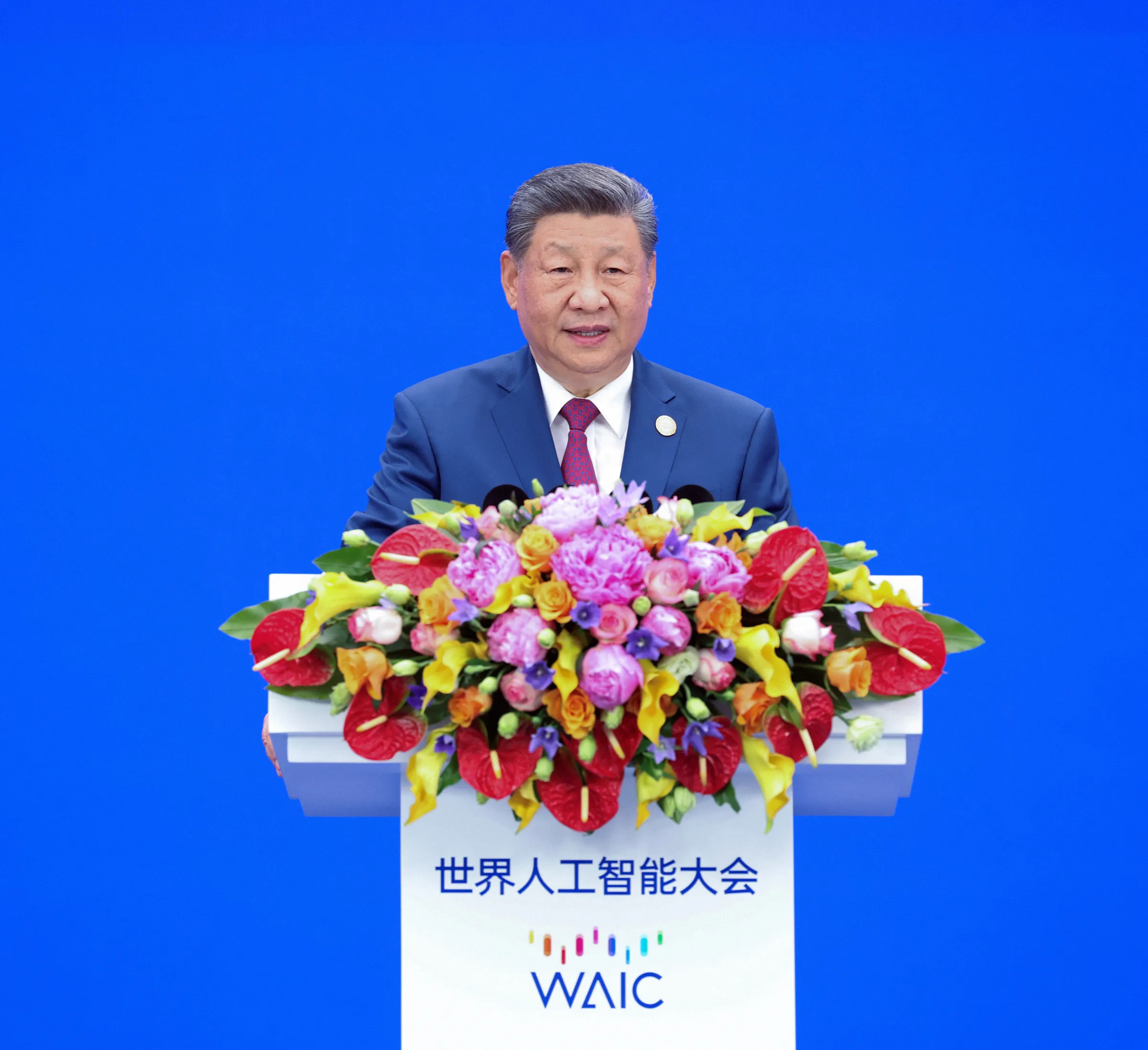
The Vibe
China's firm rejection of US-led AI development restrictions signals a growing divide in global tech governance.
What it signals
This shift indicates a rebalancing of power in the tech landscape. As China prioritizes its own AI ambitions, the implications for global capital flows and competitive positioning are profound. The rejection of US proposals reflects a broader trend of nations asserting their technological sovereignty, which could redefine international collaboration and competition.
Why it's happening now
1. The intensifying US-China tech rivalry has reached a critical juncture, with both sides recognizing the existential stakes involved in AI development.
2. Concerns over AI risks, including cybersecurity and misinformation, have prompted calls for regulation, but diverging priorities reveal deeper ideological divides.
3. The upcoming Xi-Trump meeting adds urgency to the dialogue, as both nations seek to navigate their positions in a rapidly evolving global landscape.
Who it's for (and who it leaves out)
The primary beneficiaries are Chinese tech firms and government entities that stand to gain from unrestrained AI development. Conversely, US companies advocating for a slowdown may find themselves sidelined in the race for technological supremacy.
What to watch next
1. Monitor the outcomes of preliminary US-China safety talks, particularly any agreements or frameworks that emerge.
2. Keep an eye on stock market reactions to AI policy developments, as fluctuations may signal investor confidence in either nation's tech landscape.
China firmly opposes US calls for an AI development slowdown.
Ongoing diplomatic tensions will shape future AI governance discussions.
The long-term impact on global AI investment flows remains to be seen.
Editor-curated FT homepage stories spanning markets, business, world, and opinion.
"The Financial Times is a globally respected business publication with a centrist/center-left tone and strong markets focus."
— A47 Editor
China’s AI labs must accelerate development, says Huawei chair
Huawei's chair emphasized the need for China's AI labs to accelerate their development, contrasting sharply with calls from Silicon Valley for a slowdown due to rising concerns about the existential risks posed by AI technology. This statement highli...
Latest WIRED coverage of AI.
"WIRED covers AI at the intersection of tech, culture, and policy."
— A47 Editor
China Isn’t Buying Silicon Valley’s Call for an AI Slowdown
China has expressed skepticism towards Silicon Valley's call for a slowdown in artificial intelligence (AI) development, despite both the U.S. and China acknowledging the risks associated with advanced AI technologies. Beijing's reluctance stems from...
Emerging technologies, digital transformation, IT, and cultural impact of tech.
"WIRED covers the intersection of technology, culture, and politics with a progressive, forward-looking editorial stance."
— A47 Editor
China Isn’t Buying Silicon Valley’s Call for an AI Slowdown
China has expressed skepticism towards Silicon Valley's call for a slowdown in artificial intelligence (AI) development, despite both the U.S. and China acknowledging the risks associated with advanced AI technologies. Beijing's reluctance stems from...
English-language digital publication covering business, politics, technology, and current affairs.
"The Arabian Post mixes original and syndicated-style coverage with a broad regional and global business-news orientation."
— A47 Editor
China rebuffs AI slowdown calls before Trump-Xi talks
China has rejected calls from prominent US technology leaders, including Dario Amodei, Sam Altman, and Elon Musk, to slow down the development of frontier artificial intelligence (AI) ahead of the upcoming talks between President Donald Trump and Pre...