
Iran's Nuclear Ambitions Intensify Amid Ongoing Regional Conflicts
Why it matters
The intensifying nuclear debate in Iran poses risks to regional stability and global energy prices.
What happened (in 30 seconds)
- Escalating conflict: The US-Israel-Iran conflict has intensified since 2025, impacting Iran's nuclear strategy.
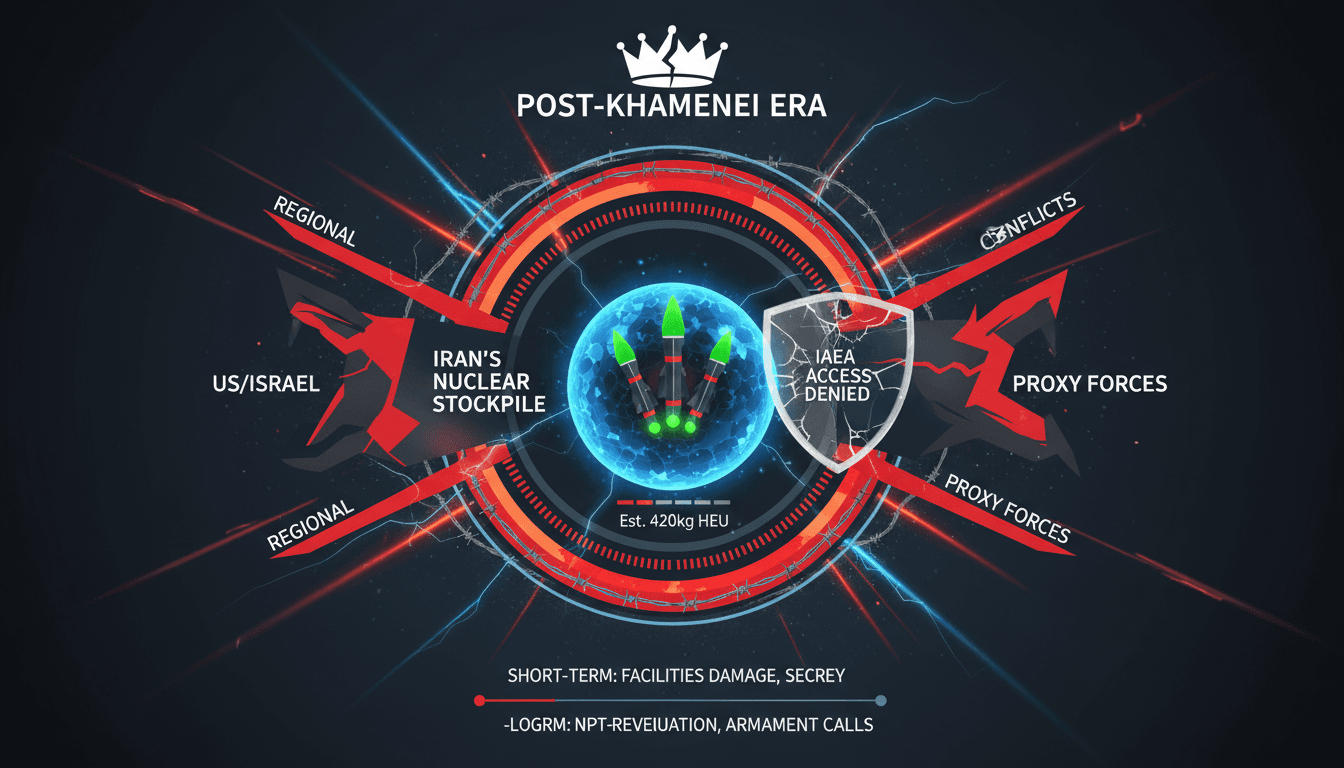
- Leadership change: The death of Supreme Leader Ali Khamenei has sparked debates on nuclear weaponization and NPT withdrawal.
- Nuclear stockpile concerns: Iran possesses 440.9 kg of uranium enriched to 60%, enough for multiple nuclear weapons if further processed.
The context you actually need
- Damaged facilities: Strikes in 2025 and 2026 have left Iran's nuclear facilities compromised but with significant uranium stockpiles intact.
- IAEA access denied: The International Atomic Energy Agency (IAEA) has been restricted from verifying Iran's nuclear activities, raising proliferation concerns.
- Diplomatic options: While military tensions rise, there remains a potential for diplomatic engagement if sanctions are alleviated.
What's really happening
The geopolitical landscape surrounding Iran's nuclear ambitions has shifted dramatically due to the ongoing conflict and internal leadership changes. Following the US withdrawal from the Joint Comprehensive Plan of Action (JCPOA), Iran faced increased military pressure from both the US and Israel, leading to significant strikes on its nuclear and military sites. These attacks, particularly in June 2025 and early 2026, have damaged key facilities like Natanz and Isfahan but have not fully compromised Iran's nuclear capabilities. As of September 2026, Iran maintains a stockpile of 440.9 kilograms of uranium enriched to 60%, which could be further processed to create approximately ten nuclear weapons if enriched to 90%.
The death of Supreme Leader Ali Khamenei has removed a critical barrier against pursuing nuclear weapons, prompting discussions among Iranian elites about the potential withdrawal from the Nuclear Non-Proliferation Treaty (NPT). Figures such as Mohsen Rezaei have publicly advocated for this shift, indicating a significant change in the internal debate on Iran's nuclear strategy. The ongoing conflict has intensified these discussions, with military leaders arguing for a deterrent capability in light of perceived threats from the US and Israel.
Despite the lack of formal policy changes, the internal debate reflects a growing urgency among Iranian officials to reassess their nuclear ambitions. The IAEA's inability to access Iranian facilities has further complicated the situation, as the agency has raised alarms about the lack of verification and transparency regarding Iran's nuclear activities. This uncertainty has led to increased calls for military preparedness and a potential pivot towards nuclear weaponization.
As the conflict continues, the implications for regional stability and global energy markets are profound. The Strait of Hormuz, a critical shipping lane for oil, could face disruptions, impacting energy prices and trade routes. The potential for further military escalation raises the stakes for all involved, with Iran's nuclear ambitions at the forefront of international concerns.
Who feels it first (and how)
- Energy sector: Increased volatility in oil prices and supply disruptions could impact global energy markets.
- Expatriate communities: Higher security alerts and costs could affect expatriates living in the region, particularly in Dubai.
- Governments: Western powers may face pressure to respond to Iran's nuclear developments, influencing foreign policy and military strategies.
What to watch next
- Diplomatic negotiations: Watch for any signs of renewed diplomatic efforts, particularly regarding sanctions relief, which could alter Iran's nuclear trajectory.
- IAEA reports: Future IAEA assessments will be crucial in understanding Iran's nuclear capabilities and compliance with international norms.
- Regional military actions: Monitor any escalations in military actions by the US or Israel, which could provoke further Iranian responses and impact regional stability.
Iran has a significant stockpile of enriched uranium and has restricted IAEA access.
Internal debates on nuclear weaponization will continue to intensify amid ongoing conflict.
The future of diplomatic relations and potential sanctions relief remains uncertain.
Frequently Asked Questions
- Why it matters?
- The intensifying nuclear debate in Iran poses risks to regional stability and global energy prices.
- What happened (in 30 seconds)?
- Escalating conflict: The US-Israel-Iran conflict has intensified since 2025, impacting Iran's nuclear strategy. Leadership change: The death of Supreme Leader Ali Khamenei has sparked debates on nuclear weaponization and NPT withdrawal. Nuclear stockpile concerns: Iran possesses 440.9 kg of uranium enriched to 60%, enough for multiple nuclear weapons if further processed.
- What's really happening?
- The geopolitical landscape surrounding Iran's nuclear ambitions has shifted dramatically due to the ongoing conflict and internal leadership changes. Following the US withdrawal from the Joint Comprehensive Plan of Action (JCPOA), Iran faced increased military pressure from both the US and Israel, leading to significant strikes on its nuclear and military sites. These attacks, particularly in June 2025 and early 2026, have damaged key facilities like Natanz and Isfahan but have not fully comprom
- Who feels it first (and how)?
- Energy sector: Increased volatility in oil prices and supply disruptions could impact global energy markets. Expatriate communities: Higher security alerts and costs could affect expatriates living in the region, particularly in Dubai. Governments: Western powers may face pressure to respond to Iran's nuclear developments, influencing foreign policy and military strategies.
- What to watch next?
- Diplomatic negotiations: Watch for any signs of renewed diplomatic efforts, particularly regarding sanctions relief, which could alter Iran's nuclear trajectory. IAEA reports: Future IAEA assessments will be crucial in understanding Iran's nuclear capabilities and compliance with international norms. Regional military actions: Monitor any escalations in military actions by the US or Israel, which could provoke further Iranian responses and impact regional stability.
Regional coverage and analysis focused on politics, diplomacy, and business across the Middle East.
"Al-Monitor is known for analytical reporting on Middle East politics and policy developments."
— A47 Editor
Could Iran’s nuclear ambitions harden as war escalates?
A recent report has highlighted escalating concerns regarding Iran's Pickaxe Mountain nuclear site, which has been a focal point of threats from U.S. President Donald Trump. The site, located near the Natanz uranium enrichment facility, has seen incr...
Global business headlines with AI angles.
"General business outlet that frequently covers AI."
— A47 Editor
A New Report Shows a Flurry Of Activity At a Suspected Iranian Nuclear Site. Trump Issued a Stark Warning.
A recent report indicates increased activity at a suspected Iranian nuclear site, prompting former President Donald Trump to issue a stern warning against Iran, stating that any provocative actions would lead to severe consequences.
English-language digital publication covering business, politics, technology, and current affairs.
"The Arabian Post mixes original and syndicated-style coverage with a broad regional and global business-news orientation."
— A47 Editor
Trump warns Iran over Pickaxe Mountain activity
President Donald Trump issued a stern warning to Iran regarding its activities at Pickaxe Mountain, a site near the Natanz uranium enrichment facility, suggesting that the U.S. may take military action if the situation escalates. Trump emphasized the...