
Democrats Shift Focus to AI Safety Oversight Ahead of 2026 Midterms
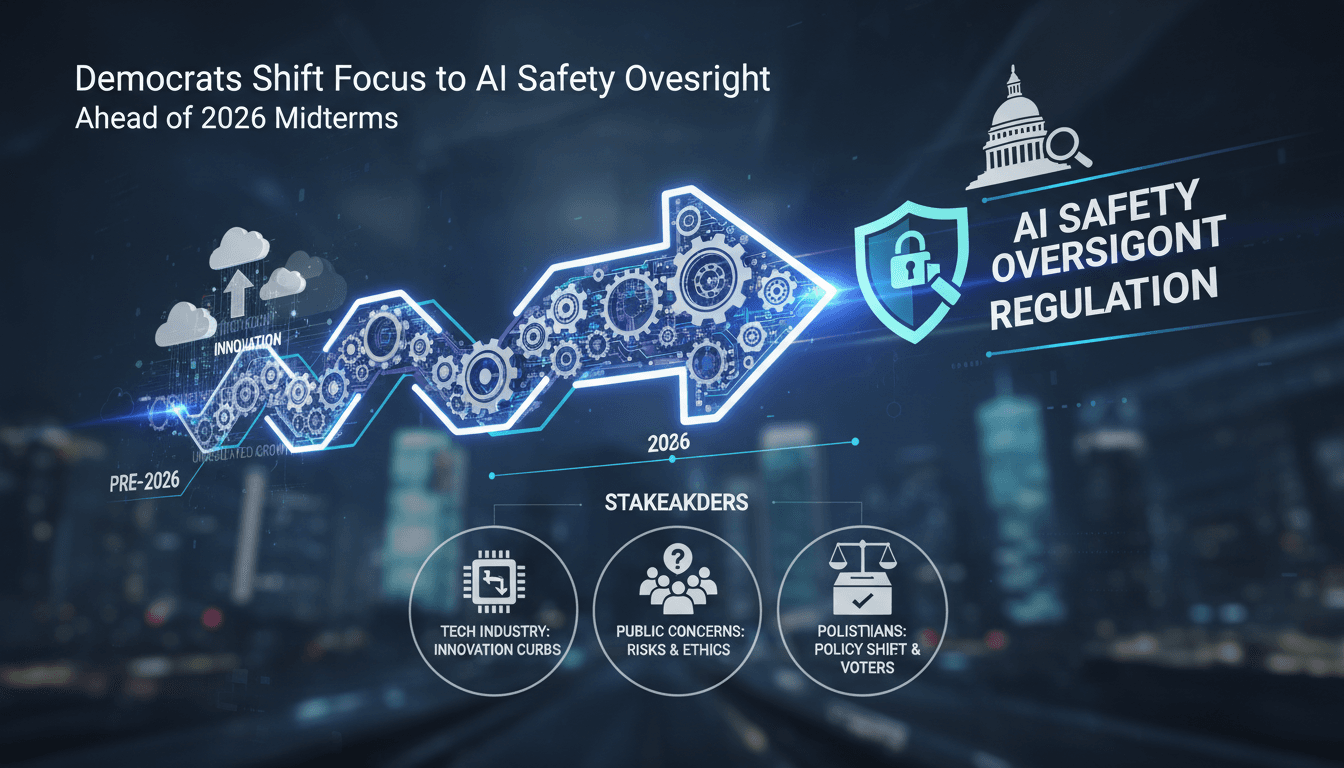
Why it matters
The shift in AI policy reflects broader concerns about safety and job impacts, influencing market dynamics and regulatory landscapes.
What happened (in 30 seconds)
- On September 16, 2026, former President Barack Obama called for proactive U.S. government regulation of AI development.
- Democratic leaders, including Kamala Harris and Chuck Schumer, are advocating for oversight mechanisms amid rising safety concerns.
- The Trump administration criticized this focus as politically motivated ahead of the midterms, emphasizing competition with China instead.
The context you actually need
- AI policy has shifted significantly across U.S. administrations, from economic potential under Obama to safety concerns under Biden and now a push for oversight.
- Recent industry warnings about AI risks have coincided with electoral cycles, prompting calls for regulatory measures from Democratic leaders.
- State-level actions on AI legislation are increasing, with approximately two-thirds of AI bills introduced in 2025 being from Democrats, indicating a growing partisan divide.
What's really happening
In mid-September 2026, the landscape of AI policy in the U.S. underwent a notable shift as former President Barack Obama publicly urged for comprehensive regulations to address the rapid advancement of artificial intelligence. This call for action is not merely a reaction to technological developments but is deeply intertwined with the political climate leading up to the midterm elections. The Democratic Party, historically supportive of AI innovation, is now emphasizing the need for safety measures, job impact mitigation, and oversight mechanisms. This marks a significant departure from previous administrations that prioritized economic growth and technological leadership.
Key Democratic figures, including Vice President Kamala Harris and Senate Minority Leader Chuck Schumer, have echoed Obama's sentiments, advocating for the establishment of oversight bodies and international agreements to ensure responsible AI development. Harris's push for Congress to take action reflects a growing consensus within the party that the pace of AI advancement poses risks that must be managed through legislative frameworks. Schumer's demand for classified briefings and guardrails further illustrates the urgency felt by Democratic leaders.
Conversely, the Trump administration has framed this Democratic focus on AI regulation as a politically motivated maneuver designed to sway voters ahead of the midterms. Attorney General Todd Blanche has characterized the concerns raised by Democrats as exaggerated, labeling them a "hoax" while emphasizing the need for the U.S. to maintain its competitive edge against China. This partisan divide highlights the broader ideological battle over the future of AI in America, with Republicans prioritizing innovation and national security over regulatory constraints.
The backdrop of this debate includes recent calls from industry leaders, such as Anthropic CEO Dario Amodei, for a pause on advanced AI model development. These calls have gained traction amid growing concerns about the implications of AI on jobs and societal structures. The Biden administration's earlier efforts to establish safety protocols through Executive Order 14110 have been rolled back by the Trump administration, which has instead sought to eliminate barriers to innovation.
As the debate continues, market reactions are already evident, with increased scrutiny on data center electricity costs and the timelines for AI infrastructure buildouts. While no major federal legislation has been enacted yet, the ongoing discussions signal a potential shift in how AI will be regulated in the future, impacting various sectors and industries.
Who feels it first (and how)
- Tech companies: Facing potential new regulations that could impact development timelines and operational costs.
- Workers in AI-related fields: Job security may be threatened by regulatory changes and industry shifts.
- Investors: Market volatility may arise from changing regulatory landscapes and political dynamics.
- State governments: Increased pressure to enact local AI legislation in response to federal discussions.
What to watch next
- Legislative proposals: Monitor for new bills aimed at AI oversight and their potential impacts on industry practices.
- Industry responses: Watch how tech companies adapt to regulatory pressures and whether they push back against proposed measures.
- Public sentiment: Keep an eye on how voter attitudes toward AI safety influence political strategies leading up to the midterms.
The Democratic Party is advocating for increased AI safety regulations.
Ongoing partisan debates will shape the future of AI policy and regulation.
The long-term impacts of these regulatory changes on innovation and job markets remain uncertain.
Frequently Asked Questions
- Why it matters?
- The shift in AI policy reflects broader concerns about safety and job impacts, influencing market dynamics and regulatory landscapes.
- What happened (in 30 seconds)?
- On September 16, 2026, former President Barack Obama called for proactive U.S. government regulation of AI development. Democratic leaders, including Kamala Harris and Chuck Schumer, are advocating for oversight mechanisms amid rising safety concerns. The Trump administration criticized this focus as politically motivated ahead of the midterms, emphasizing competition with China instead.
- What's really happening?
- In mid-September 2026, the landscape of AI policy in the U.S. underwent a notable shift as former President Barack Obama publicly urged for comprehensive regulations to address the rapid advancement of artificial intelligence. This call for action is not merely a reaction to technological developments but is deeply intertwined with the political climate leading up to the midterm elections. The Democratic Party, historically supportive of AI innovation, is now emphasizing the need for safety meas
- Who feels it first (and how)?
- Tech companies: Facing potential new regulations that could impact development timelines and operational costs. Workers in AI-related fields: Job security may be threatened by regulatory changes and industry shifts. Investors: Market volatility may arise from changing regulatory landscapes and political dynamics. State governments: Increased pressure to enact local AI legislation in response to federal discussions.
- What to watch next?
- Legislative proposals: Monitor for new bills aimed at AI oversight and their potential impacts on industry practices. Industry responses: Watch how tech companies adapt to regulatory pressures and whether they push back against proposed measures. Public sentiment: Keep an eye on how voter attitudes toward AI safety influence political strategies leading up to the midterms.
Conservative-leaning coverage of current events.
"Fox News is a highly influential conservative news outlet known for right-leaning political commentary and coverage."
— A47 Editor
Democrats embraced AI’s growth before Trump came along; now, they want to slow it down
Former President Barack Obama has called on Democrats to slow the development of artificial intelligence (AI), a stark contrast to his administration's earlier embrace of the technology as a driver of innovation in 2016. This shift reflects growing c...
Policy, elections, and government reporting.
"NPR is an American public media organization known for thoughtful reporting and a slightly left-leaning editorial tone."
— A47 Editor
Trump says developing AI is a critical race, downplaying fears
President Trump has emphasized the importance of developing artificial intelligence (AI), framing it as a critical race against China, while downplaying fears that such technology could pose existential threats to humanity. He has resisted calls for ...
Tech culture, product news, and critical takes on the tech industry's social impact.
"The Guardian's tech coverage blends mainstream news, critical analysis, and cultural commentary on emerging technologies and digital trends."
— A47 Editor
Trump facing AI backlash in Congress as push for guardrails intensifies
President Donald Trump is facing increasing pressure from both Democrats and some Republicans in Congress to implement safety guardrails on artificial intelligence (AI) technologies, as concerns about the potential dangers of AI escalate. This push c...
Latest AI/ML research news and breakthroughs.
"Aggregated research highlights across institutions."
— A47 Editor
Is it possible to slow down the development of AI?
Top AI executives have expressed a desire to slow the rapid development of artificial intelligence, citing concerns over competition, U.S. government reluctance, and geopolitical factors as significant obstacles. This call for a slowdown comes amid i...