
EU Proposes Social Media Access Restrictions for Minors Under 15
Why it matters
This legislative proposal aims to standardize social media access for minors across the EU, potentially influencing global platform policies.
What happened (in 30 seconds)
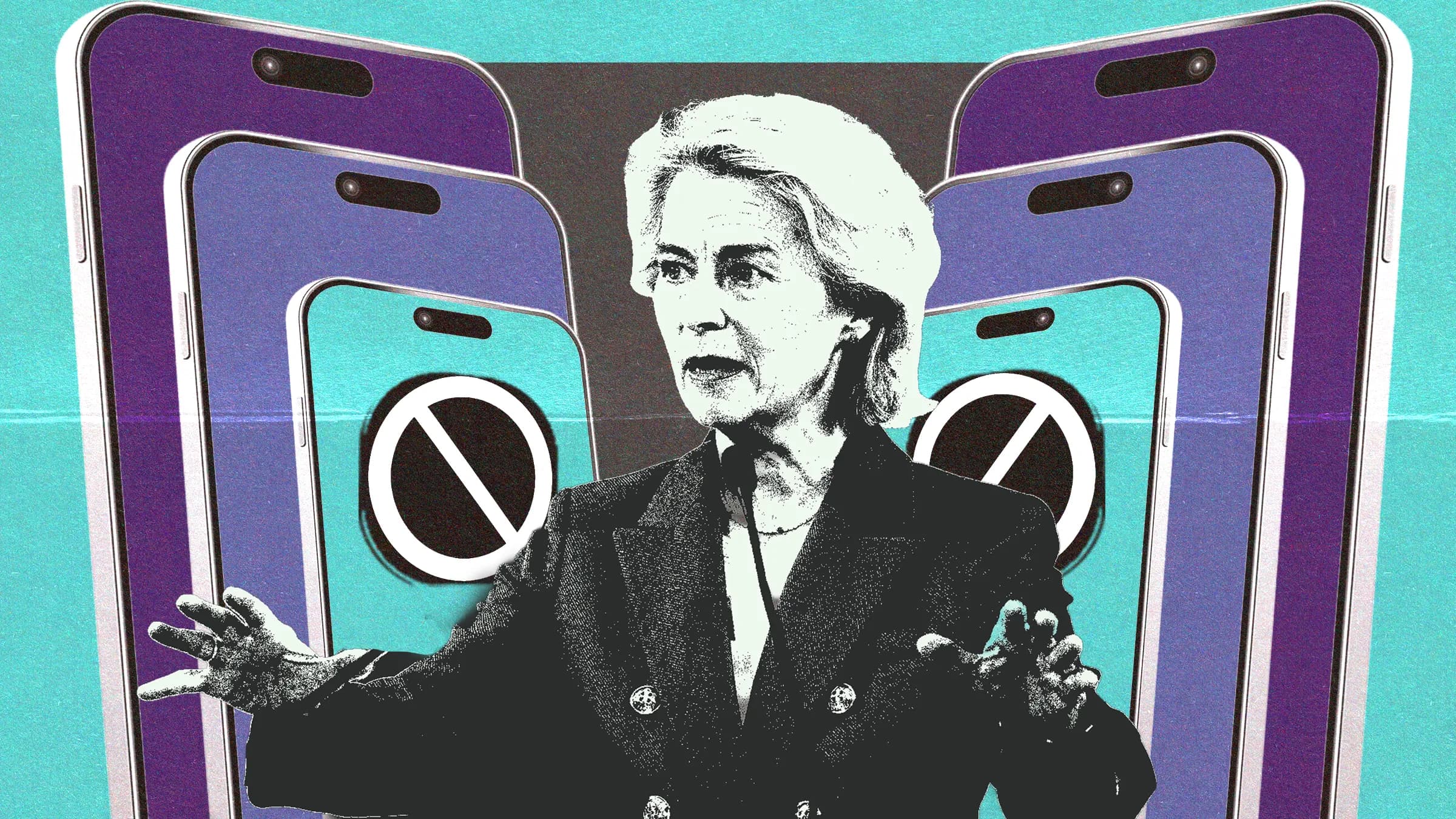
- On September 16, 2026, European Commission President Ursula von der Leyen announced a proposed ban on social media for children under 13.
- The EU Kids Act introduces supervised "mini accounts" for ages 13-15, with time limits and safe design obligations.
- The proposal responds to rising concerns over mental health issues linked to social media use among European youth.
The context you actually need
- Seventeen EU member states are already pursuing national legislation on minimum ages for social media use.
- The proposal follows a July 2026 expert panel report recommending age-appropriate restrictions to combat addictive platform features.
- Global precedents include similar restrictions in Australia and the UK, with the EU aiming for a harmonized approach.
What's really happening
The EU's proposed social media restrictions for minors are a direct response to increasing evidence of the negative impacts of social media on youth mental health. With average daily screen time for young people in the EU reported at 4-6 hours, the European Commission is taking a proactive stance to mitigate risks associated with excessive use. The proposed EU Kids Act, which will be detailed further on September 17, 2026, aims to create a safer online environment for minors by implementing a total ban on social media for those under 13 and introducing "mini accounts" for those aged 13-15. These mini accounts will come with strict limitations, including one-hour daily usage caps and features designed to ensure safety.
The proposal is not just about limiting access; it reflects a broader recognition of the need for responsible digital citizenship among young users. The EU's approach is seen as more permissive compared to similar measures in Australia and the UK, which have implemented outright bans for users under certain ages. By allowing supervised accounts for older minors, the EU hopes to strike a balance between protecting youth and allowing them to engage with digital platforms in a controlled manner.
However, the implementation of these measures will not be straightforward. Age verification poses significant challenges, as does the potential for parental monitoring to infringe on privacy rights. Legal experts have raised concerns about the feasibility of enforcing these rules, particularly in a landscape where tech companies may resist compliance. Non-compliance could lead to fines of up to 6% of a company's turnover, adding financial pressure on platforms to adapt quickly.
The EU's initiative is part of a larger trend toward regulating Big Tech, reflecting growing public concern over the influence of social media on youth. As member states continue to advance their own legislation, the EU aims to create a unified framework that can serve as a model for other regions. This could lead to a ripple effect, influencing how social media companies operate globally and potentially reshaping the digital landscape for young users.
Who feels it first (and how)
- Parents and guardians: They will need to navigate new restrictions and supervise their children's online activities.
- Social media platforms: Companies will have to adapt their services to comply with new regulations, impacting their user engagement strategies.
- Youth: Minors will experience changes in their social media access, which may affect their social interactions and mental health.
What to watch next
- Implementation timeline: Watch for the detailed proposal on September 17, 2026, and subsequent legislative discussions, as these will shape the final rules.
- Platform responses: Monitor how social media companies adapt their policies and features in response to the proposed regulations.
- Public sentiment: Keep an eye on public reactions and potential pushback from advocacy groups concerned about privacy and parental oversight.
The EU is moving forward with a ban on social media for children under 13.
Social media platforms will face pressure to comply with new regulations, potentially leading to changes in their operational models.
The effectiveness of age verification methods and the overall impact on youth mental health remain to be seen.
Frequently Asked Questions
- Why it matters?
- This legislative proposal aims to standardize social media access for minors across the EU, potentially influencing global platform policies.
- What happened (in 30 seconds)?
- On September 16, 2026, European Commission President Ursula von der Leyen announced a proposed ban on social media for children under 13. The EU Kids Act introduces supervised "mini accounts" for ages 13-15, with time limits and safe design obligations. The proposal responds to rising concerns over mental health issues linked to social media use among European youth.
- What's really happening?
- The EU's proposed social media restrictions for minors are a direct response to increasing evidence of the negative impacts of social media on youth mental health. With average daily screen time for young people in the EU reported at 4-6 hours, the European Commission is taking a proactive stance to mitigate risks associated with excessive use. The proposed EU Kids Act, which will be detailed further on September 17, 2026, aims to create a safer online environment for minors by implementing a to
- Who feels it first (and how)?
- Parents and guardians: They will need to navigate new restrictions and supervise their children's online activities. Social media platforms: Companies will have to adapt their services to comply with new regulations, impacting their user engagement strategies. Youth: Minors will experience changes in their social media access, which may affect their social interactions and mental health.
- What to watch next?
- Implementation timeline: Watch for the detailed proposal on September 17, 2026, and subsequent legislative discussions, as these will shape the final rules. Platform responses: Monitor how social media companies adapt their policies and features in response to the proposed regulations. Public sentiment: Keep an eye on public reactions and potential pushback from advocacy groups concerned about privacy and parental oversight.
Arabic-language sports reporting covering UAE competitions and major international events.
"Emarat Al Youm sports coverage is mainstream and accessible, with strong emphasis on UAE and regional sport."
— A47 Editor
الاتحاد الأوروبي يعتزم حظر وسائل التواصل لمن هم دون 13 عاما الاتحاد الأوروبي يعتزم حظر وسائل التواصل لمن هم دون 13 عاما
European Commission President Ursula von der Leyen announced on Wednesday that the European Union plans to prohibit social media access for individuals under the age of 13. This initiative aims to enhance the safety of minors online and address growi...
Tech news and guides occasionally covering AI.
"Independent tech blog with practical tips and news."
— A47 Editor
EU Proposes Restricting Under-15s From Social Media, Chatbots, and Online Games
The European Union has proposed a new law aimed at restricting access to social media, video-sharing platforms, chatbots, and online games for children under the age of 15. This initiative, part of the EU Kids Act, seeks to enhance the safety and pri...
News and current affairs from across Europe.
"The Guardian is known for its progressive editorial stance and in-depth analysis."
— A47 Editor
EU moves closer to social media ban for under 13s
The European Commission, led by Ursula von der Leyen, is advancing a draft law aimed at prohibiting social media access for children under the age of 13, citing concerns that these platforms are undermining childhood experiences. This initiative foll...
Arabic-language political and world news coverage for UAE readers.
"Emarat Al Youm world coverage usually presents international developments through a UAE and Arab audience lens."
— A47 Editor
الاتحاد الأوروبي يحظر وسائل التواصل للأطفال دون 13 عاماً ويقيّده حتى سن 15 الاتحاد الأوروبي يحظر وسائل التواصل للأطفال دون 13 عاماً ويقيّده حتى سن 15
The European Union has announced a ban on social media usage for children under the age of 13, allowing limited access under supervision for those aged 13 to 15. This decision aims to enhance the safety and well-being of minors in the digital space.
Technology innovations, startups, and trends.
"ABC News delivers broad national coverage with a mainstream editorial stance, focusing on accessibility and balanced reporting."
— A47 Editor
EU chief proposes bloc-wide social media ban for kids under 13
European Commission President Ursula von der Leyen has proposed a ban on social media access for children under 13 across the European Union, citing the need for enhanced protections for young users in the digital landscape. This initiative aims to a...
Business and policy angles on tech and AI.
"Business desk coverage intersecting with AI trends."
— A47 Editor
The EU Plans to Ban Social Media for Under-13s
The European Union has announced plans to ban social media access for children under the age of 13 as part of its new EU Kids Act, aiming to reduce the influence of Big Tech on young users. This initiative seeks to implement age checks and enhance pa...
Emerging technologies, digital transformation, IT, and cultural impact of tech.
"WIRED covers the intersection of technology, culture, and politics with a progressive, forward-looking editorial stance."
— A47 Editor
The EU Plans to Ban Social Media for Under-13s
The European Union has announced plans to ban social media access for children under the age of 13 as part of its new EU Kids Act, aiming to reduce the influence of Big Tech on young users. This initiative seeks to implement age checks and enhance pa...
Global political, business, and cultural coverage from WSJ international desks.
"The Wall Street Journal offers extensive international reporting with a reputation for financial insight and a center-right editorial stance."
— A47 Editor
EU Chief Reveals Plans for Curbing Children’s Access to Social Media
The President of the European Commission, Ursula von der Leyen, has announced plans for a new EU-wide law aimed at restricting minors' access to social media platforms. This initiative is part of a broader effort to protect children from potential ha...
Tech industry coverage with AI angles.
"Mainstream tech news intersecting with AI policy and culture."
— A47 Editor
Age Limits for Social Media Outlined by European Union
The European Union has proposed a law that would prohibit children under the age of 13 from using social media platforms, with a broader initiative known as the EU Kids Act aiming to restrict access for those under 15. This legislation reflects growi...
Markets, economy, and company analysis from NYT’s business desk.
"The New York Times is a globally recognized newspaper offering authoritative reporting with a center-left editorial stance."
— A47 Editor
Age Limits for Social Media Outlined by European Union
The European Union has proposed a law that would prohibit children under the age of 13 from using social media platforms, with a broader initiative known as the EU Kids Act aiming to restrict access for those under 15. This legislation reflects growi...
Tech policy, trends, and innovation news.
"The New York Times is a globally recognized newspaper offering authoritative reporting with a center-left editorial stance."
— A47 Editor
Age Limits for Social Media Outlined by European Union
The European Union has proposed a law that would prohibit children under the age of 13 from using social media platforms, with a broader initiative known as the EU Kids Act aiming to restrict access for those under 15. This legislation reflects growi...
Tech, science, and startup news including AI.
"Irish tech outlet covering innovation and AI."
— A47 Editor
New EU Kids Act will restrict social media for under-15s
The European Union has introduced the new Kids Act, which will impose restrictions on social media, video sharing platforms, online games, and AI chatbots for users under the age of 15. This legislation aims to enhance the safety and privacy of minor...