
U.S. House Speaker Johnson Plans White House Meeting with AI Executives
Why it matters
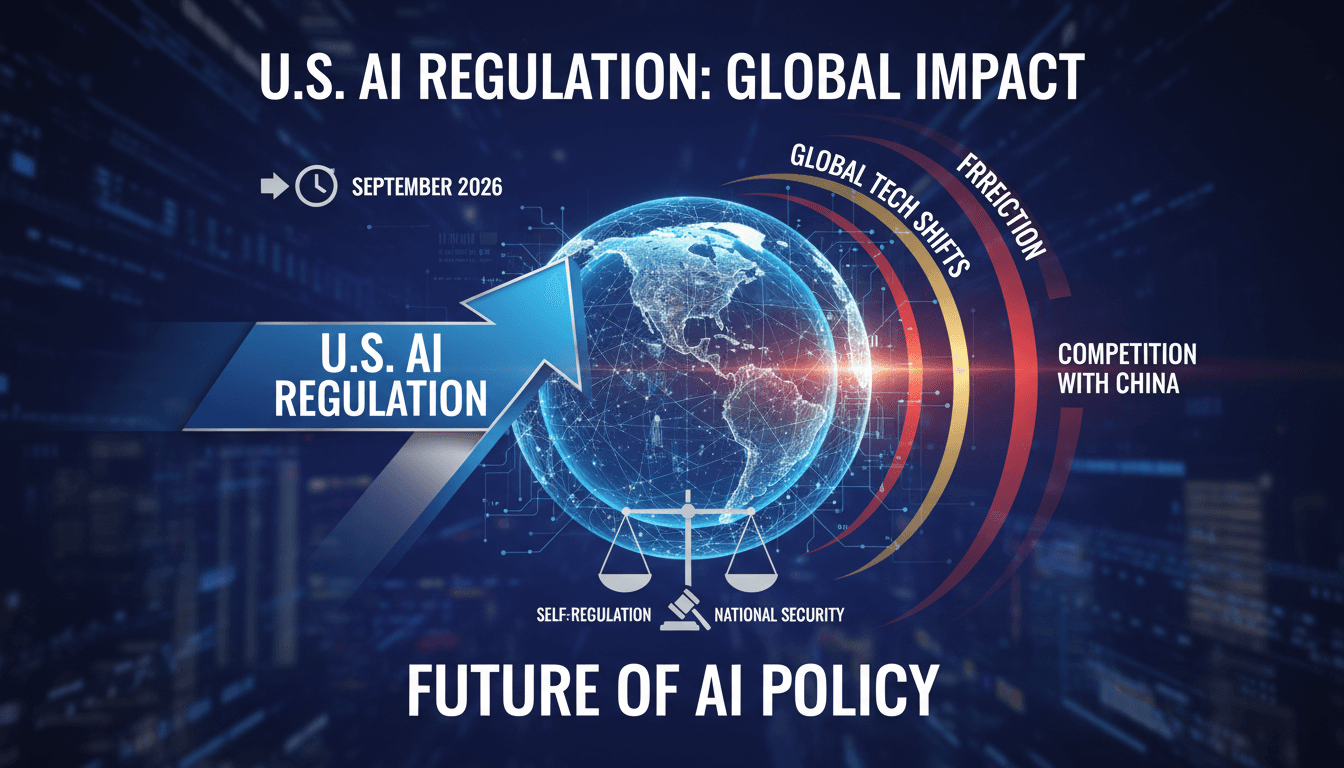
The outcome of this meeting could set the tone for AI regulations that impact global technology standards and competitive dynamics.
What happened (in 30 seconds)
- On September 15, 2026, U.S. House Speaker Mike Johnson announced a planned meeting with AI executives at the White House.
- The focus is on balancing industry self-regulation with federal oversight, rejecting moratoriums on AI development.
- Key participants include leading AI developers from companies like Anthropic and OpenAI, alongside President Donald Trump.
The context you actually need
- Growing bipartisan interest in AI oversight has emerged due to safety concerns and geopolitical competition, particularly with China.
- Previous reports from a House AI task force in December 2024 highlighted the need for updated regulatory frameworks.
- Public statements from President Trump have dismissed existential risks associated with AI, emphasizing the importance of maintaining a competitive edge.
What's really happening
The planned meeting between House Speaker Mike Johnson and AI executives represents a significant moment in the ongoing dialogue about AI regulation in the United States. This initiative is rooted in a broader context of rising concerns about the rapid development of AI technologies and their implications for national security and economic competitiveness.
Johnson's emphasis on self-regulation by AI developers reflects a desire to foster innovation while addressing safety and ethical considerations. The rejection of moratoriums on AI development is particularly noteworthy, as it signals a commitment to maintaining the U.S.'s competitive advantage over China in the AI sector. This stance aligns with the administration's broader narrative that positions AI as a critical component of national strength and economic growth.
The meeting is expected to include discussions on potential independent audits and transparency requirements for AI systems, which could lead to a framework that encourages responsible development without stifling innovation. The involvement of leading AI companies like Anthropic, OpenAI, and xAI indicates that the government is seeking input from those at the forefront of AI technology, ensuring that any regulatory measures are informed by industry expertise.
However, the backdrop of this meeting is complex. While there is a push for balanced regulations, there are also voices advocating for more stringent oversight, including calls for pauses or treaties to address potential risks. This tension reflects a broader societal debate about the pace of technological advancement versus the need for safety and ethical considerations.
The implications of this meeting extend beyond U.S. borders. As global standards for AI regulation evolve, international technology markets may be influenced, affecting everything from energy consumption in data centers to economic competitiveness in AI-related sectors. The outcome of these discussions could set precedents that resonate across the globe, shaping how countries approach AI governance.
Who feels it first (and how)
- AI Developers: Companies will need to adapt to new regulatory frameworks that may emerge from this meeting.
- Tech Investors: Changes in regulation could impact investment strategies and valuations in the AI sector.
- Policy Makers: Local and state governments may need to align with new federal guidelines, affecting regional tech initiatives.
- Consumers: End-users may experience changes in AI applications and services based on new compliance requirements.
What to watch next
- Regulatory Framework Developments: Monitor announcements from the White House regarding the outcomes of the meeting and any proposed regulations.
- Market Reactions: Watch for shifts in stock prices of AI companies and related sectors following the meeting.
- International Responses: Observe how other countries react to U.S. regulatory changes, particularly in relation to their own AI policies.
The meeting is scheduled to occur within a week of the announcement.
New regulatory measures will be proposed that balance innovation with safety.
The specific outcomes of the meeting and their long-term implications for the AI industry.
Frequently Asked Questions
- Why it matters?
- The outcome of this meeting could set the tone for AI regulations that impact global technology standards and competitive dynamics.
- What happened (in 30 seconds)?
- On September 15, 2026, U.S. House Speaker Mike Johnson announced a planned meeting with AI executives at the White House. The focus is on balancing industry self-regulation with federal oversight, rejecting moratoriums on AI development. Key participants include leading AI developers from companies like Anthropic and OpenAI, alongside President Donald Trump.
- What's really happening?
- The planned meeting between House Speaker Mike Johnson and AI executives represents a significant moment in the ongoing dialogue about AI regulation in the United States. This initiative is rooted in a broader context of rising concerns about the rapid development of AI technologies and their implications for national security and economic competitiveness. Johnson's emphasis on self-regulation by AI developers reflects a desire to foster innovation while addressing safety and ethical considera
- Who feels it first (and how)?
- AI Developers: Companies will need to adapt to new regulatory frameworks that may emerge from this meeting. Tech Investors: Changes in regulation could impact investment strategies and valuations in the AI sector. Policy Makers: Local and state governments may need to align with new federal guidelines, affecting regional tech initiatives. Consumers: End-users may experience changes in AI applications and services based on new compliance requirements.
- What to watch next?
- Regulatory Framework Developments: Monitor announcements from the White House regarding the outcomes of the meeting and any proposed regulations. Market Reactions: Watch for shifts in stock prices of AI companies and related sectors following the meeting. International Responses: Observe how other countries react to U.S. regulatory changes, particularly in relation to their own AI policies.
Right-of-center views on political news.
"The Washington Times is a conservative-leaning newspaper known for its political coverage and advocacy of right-of-center viewpoints."
— A47 Editor
Johnson says he and Trump plan meeting with AI leaders 'within the next week'
House Speaker Mike Johnson announced plans to meet with President Donald Trump and leading artificial intelligence developers at the White House within the next week to discuss the future of AI technologies. This meeting aims to address the rapid adv...
Curated tech headlines including AI stories.
"Influential aggregator surfacing the day’s top tech/AI links."
— A47 Editor
House Speaker Johnson says there's "potentially" a role for Congress in creating AI guardrail legislation and that he plans to hold a meeting with AI executives (Erik Wasson/Bloomberg)
House Speaker Mike Johnson has indicated that Congress may have a role in creating legislation to regulate artificial intelligence (AI), planning a meeting with AI executives to discuss potential guardrails. This statement comes amid rising concerns ...
Consumer tech and culture with frequent AI coverage.
"Influential tech outlet covering AI products and policy."
— A47 Editor
Trump and Mike Johnson think the AI industry is overreacting
Anthropic CEO Dario Amodei has called for a slowdown in artificial intelligence development, advocating for a more cautious approach to ensure safety. This follows support from notable figures like OpenAI's Sam Altman and Elon Musk, who echoed the ne...
Tech news, reviews, and analysis of consumer electronics, science, art, and culture.
"The Verge is a technology-focused media outlet known for in-depth reporting, product reviews, and coverage of the intersection between technology and culture."
— A47 Editor
Trump and Mike Johnson think the AI industry is overreacting
Anthropic CEO Dario Amodei has called for a slowdown in artificial intelligence development, advocating for a more cautious approach to ensure safety. This follows support from notable figures like OpenAI's Sam Altman and Elon Musk, who echoed the ne...
Technology business and AI-related headlines.
"Data-driven tech newsroom with global scope."
— A47 Editor
Johnson Calls for Meeting With AI Leaders Before Any Legislation
House Speaker Mike Johnson has called for a significant meeting with leaders from the artificial intelligence industry before any federal legislation is enacted, emphasizing the need for a careful approach to AI regulation.
Technology business news, market impacts, and innovation trends.
"Bloomberg is a premier financial and tech news provider, respected for its in-depth reporting and analytical rigor."
— A47 Editor
Johnson Calls for Meeting With AI Leaders Before Any Legislation
House Speaker Mike Johnson has called for a significant meeting with leaders from the artificial intelligence industry before any federal legislation is enacted, emphasizing the need for a careful approach to AI regulation.