
Emergence of Bipartisan Alliances in U.S. AI Regulation Debate
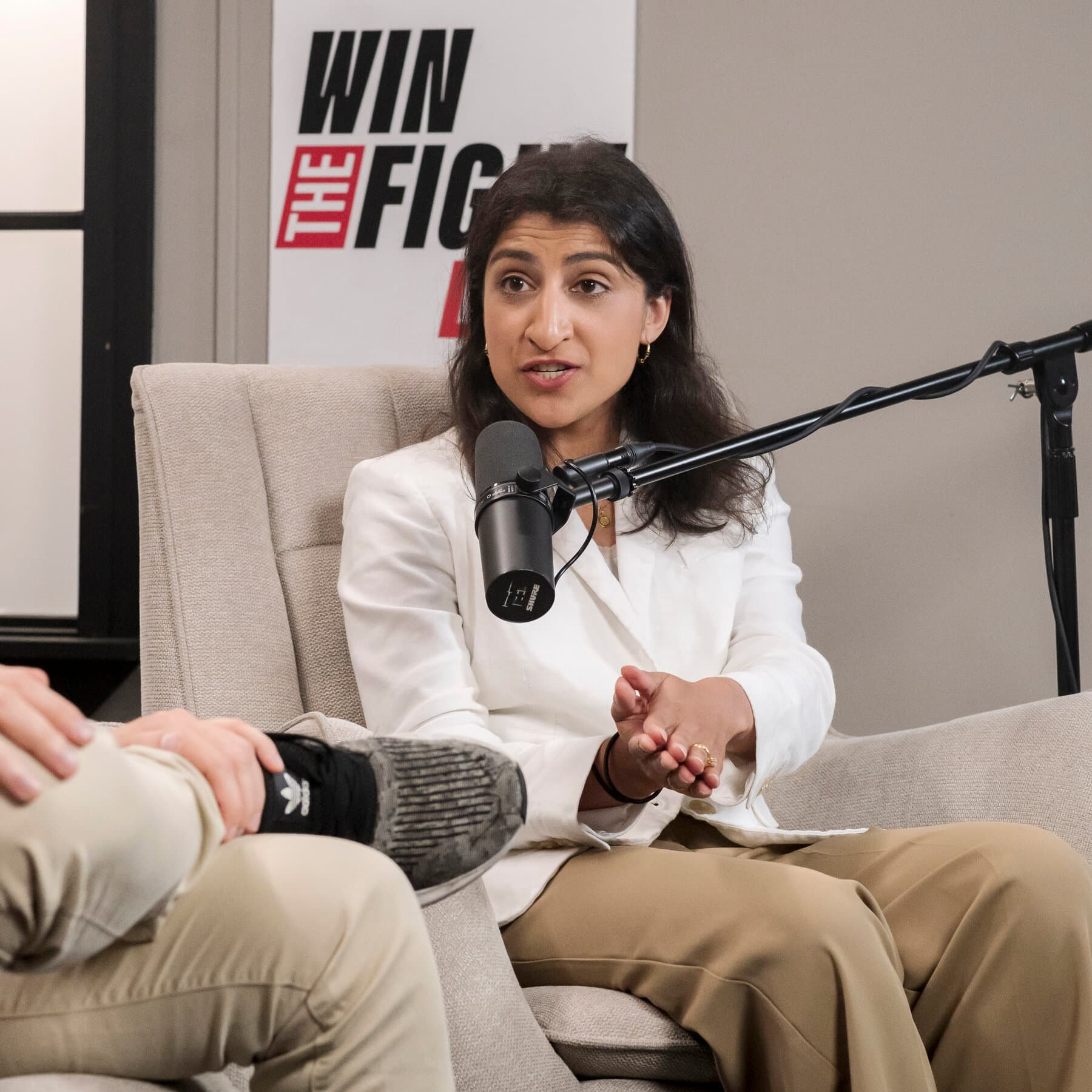
Why it matters
This cross-partisan alignment signals a potential shift in how AI safety and innovation are governed, impacting tech companies and investors alike.
What happened (in 30 seconds)
- Unexpected alliances emerged as former FTC Chair Lina Khan and investor David Sacks agreed on using existing product liability laws for AI regulation.
- Dario Amodei's essay advocating for slower AI development sparked significant debate, highlighting tensions between innovation and accountability.
- President Trump criticized proposals for slowing AI progress, emphasizing national security concerns amid U.S.-China competition.
The context you actually need
- Dario Amodei's influence: His call for independent audits and industry cooperation on safety standards has intensified discussions around AI regulation.
- Historical backdrop: The Trump administration previously sought to limit state-level AI regulations, promoting federal preemption to maintain U.S. leadership.
- Ongoing debates: Figures across the political spectrum, including potential alignments with Bernie Sanders and Steve Bannon, are engaging in discussions about AI governance.
What's really happening
The recent alignment between Lina Khan and David Sacks marks a significant departure from traditional political divides, illustrating how the urgency of AI safety is prompting unexpected collaborations. Khan, known for her aggressive stance on antitrust issues, has been vocal about leveraging existing FTC authority to regulate AI tools that may pose risks. Her advocacy for treating flawed AI shipments as unfair practices could lead to criminal liability for companies and executives, creating a more stringent accountability framework.
Sacks, on the other hand, represents a more innovation-focused perspective, arguing that existing product liability laws are sufficient to ensure safety without the need for new regulatory frameworks or antitrust exemptions. His endorsement of Khan's position during a Bloomberg Television interview reflects a growing consensus among some industry leaders that the current legal landscape can adequately address AI risks.
This convergence is occurring against a backdrop of heightened competition with China, where AI development is rapidly advancing. The U.S. is grappling with how to maintain its technological edge while ensuring safety and ethical standards. The push for independent audits and industry cooperation, as suggested by Amodei, raises questions about the balance between fostering innovation and ensuring accountability.
The debate is further complicated by President Trump's criticism of any proposals that might slow down AI development, framing them as detrimental to national security. This highlights the tension between the need for rapid technological advancement and the imperative to manage associated risks. As discussions continue, the potential for new alliances and divisions within the political landscape could reshape the future of AI regulation.
Who feels it first (and how)
- Tech companies: They may face increased scrutiny and liability under existing laws, impacting their operational strategies.
- Investors: Shifts in regulatory frameworks could influence investment decisions and valuations in the AI sector.
- Policymakers: They will need to navigate complex political dynamics as they consider new regulations or adjustments to existing laws.
What to watch next
- Legislative proposals: Monitor for any new bills or amendments related to AI regulation that may emerge from ongoing discussions.
- Industry responses: Pay attention to how tech companies adapt their safety protocols and compliance strategies in light of potential regulatory changes.
- Political alignments: Watch for evolving coalitions among political figures that could influence the direction of AI governance.
The debate over AI regulation is intensifying, with significant figures from both sides of the political spectrum engaging.
Continued discussions will lead to evolving positions on AI safety and innovation, potentially resulting in new regulatory frameworks.
The long-term impact of these alliances on actual legislation and industry practices remains uncertain.
Frequently Asked Questions
- Why it matters?
- This cross-partisan alignment signals a potential shift in how AI safety and innovation are governed, impacting tech companies and investors alike.
- What happened (in 30 seconds)?
- Unexpected alliances emerged as former FTC Chair Lina Khan and investor David Sacks agreed on using existing product liability laws for AI regulation. Dario Amodei's essay advocating for slower AI development sparked significant debate, highlighting tensions between innovation and accountability. President Trump criticized proposals for slowing AI progress, emphasizing national security concerns amid U.S.-China competition.
- What's really happening?
- The recent alignment between Lina Khan and David Sacks marks a significant departure from traditional political divides, illustrating how the urgency of AI safety is prompting unexpected collaborations. Khan, known for her aggressive stance on antitrust issues, has been vocal about leveraging existing FTC authority to regulate AI tools that may pose risks. Her advocacy for treating flawed AI shipments as unfair practices could lead to criminal liability for companies and executives, creating a m
- Who feels it first (and how)?
- Tech companies: They may face increased scrutiny and liability under existing laws, impacting their operational strategies. Investors: Shifts in regulatory frameworks could influence investment decisions and valuations in the AI sector. Policymakers: They will need to navigate complex political dynamics as they consider new regulations or adjustments to existing laws.
- What to watch next?
- Legislative proposals: Monitor for any new bills or amendments related to AI regulation that may emerge from ongoing discussions. Industry responses: Pay attention to how tech companies adapt their safety protocols and compliance strategies in light of potential regulatory changes. Political alignments: Watch for evolving coalitions among political figures that could influence the direction of AI governance.
Markets, economy, and company analysis from NYT’s business desk.
"The New York Times is a globally recognized newspaper offering authoritative reporting with a center-left editorial stance."
— A47 Editor
Steve Bannon and Bernie Sanders Condemn Tech ‘Oligarchs’ and Demand A.I. Reforms
At a recent event in Washington, Senator Bernie Sanders and Steve Bannon joined various leaders and artists at the Pro-Human Assembly to advocate for reforms in artificial intelligence, emphasizing the need to control the influence of tech oligarchs.
Tech policy, trends, and innovation news.
"The New York Times is a globally recognized newspaper offering authoritative reporting with a center-left editorial stance."
— A47 Editor
Steve Bannon and Bernie Sanders Condemn Tech ‘Oligarchs’ and Demand A.I. Reforms
At a recent event in Washington, Senator Bernie Sanders and Steve Bannon joined various leaders and artists at the Pro-Human Assembly to advocate for reforms in artificial intelligence, emphasizing the need to control the influence of tech oligarchs.
Tech industry coverage with AI angles.
"Mainstream tech news intersecting with AI policy and culture."
— A47 Editor
Steve Bannon and Bernie Sanders Condemn Tech ‘Oligarchs’ and Demand A.I. Reforms
At a recent event in Washington, Senator Bernie Sanders and Steve Bannon joined various leaders and artists at the Pro-Human Assembly to advocate for reforms in artificial intelligence, emphasizing the need to control the influence of tech oligarchs.
Curated tech headlines including AI stories.
"Influential aggregator surfacing the day’s top tech/AI links."
— A47 Editor
At the Future of Life Institute's Pro-Human Assembly, Bernie Sanders, Steve Bannon, and others called for tighter restrictions on AI and denounced tech CEOs (New York Times)
At the Pro-Human Assembly organized by the Future of Life Institute in Washington, prominent figures including Senator Bernie Sanders and Steve Bannon called for stricter regulations on artificial intelligence (AI) and criticized the influence of tec...
Insights and news on social issues, policy, and political movements across the United States.
"The Wall Street Journal is known for its deep political coverage, especially at the intersection of policy, regulation, and social dynamics."
— A47 Editor
MAGA warrior Steve Bannon and the left-wing progressive Bernie Sanders say urgent action is needed in Washington to rein in AI
At the Pro-Human Assembly in Washington, former Trump strategist Steve Bannon and Senator Bernie Sanders jointly called for urgent action to regulate artificial intelligence (AI), expressing concerns over its rapid advancements and potential societal...
Tech business coverage, major deals, product launches, and Silicon Valley trends.
"WSJ’s tech section offers authoritative reporting on the intersection of technology and business, including exclusive industry analysis."
— A47 Editor
Steve Bannon and Bernie Sanders Don’t Agree on Much. They Agree AI Could Kill Us All.
Steve Bannon and Bernie Sanders, representing vastly different political ideologies, have united in Washington to call for urgent reforms in artificial intelligence (AI), emphasizing the potential dangers posed by unchecked AI development. Both figur...
Markets, economy, and company analysis from NYT’s business desk.
"The New York Times is a globally recognized newspaper offering authoritative reporting with a center-left editorial stance."
— A47 Editor
The Unlikely Political Bedfellows on A.I. Regulation
The ongoing debate over artificial intelligence (AI) regulation has led to unexpected alliances, notably between figures like David Sacks and Lina Khan, as well as Bernie Sanders and Steve Bannon. These unlikely political bedfellows are addressing th...
UAE-based English-language newspaper covering regional politics, economics, and global affairs.
"The National reflects Emirati policy perspectives while maintaining international editorial standards."
— A47 Editor
'Clear safety rules' needed amid rapid AI advances, says Bernie Sanders
US Senator Bernie Sanders has emphasized the urgent need for clear safety regulations in the rapidly advancing field of artificial intelligence (AI), highlighting concerns over the adequacy of current safety measures. He has called for a pause in the...
News from the United States including domestic politics, society, and culture.
"The Guardian is known for its progressive editorial stance and in-depth analysis, often advocating for social justice, environmental issues, and liberal values."
— A47 Editor
Bernie Sanders and Steve Bannon call for curbs on AI at ‘pro-human’ summit
At the 'Pro-Human Assembly' in Washington, Senator Bernie Sanders and strategist Steve Bannon jointly called for restrictions on artificial intelligence (AI), highlighting concerns over the influence of tech oligarchs and the implications of a 'cold ...
News and features on AI from The Guardian.
"Progressive-leaning international outlet with critical AI coverage."
— A47 Editor
Bernie Sanders and Steve Bannon call for curbs on AI at ‘pro-human’ summit
At the 'Pro-Human Assembly' in Washington, Senator Bernie Sanders and strategist Steve Bannon jointly called for restrictions on artificial intelligence (AI), highlighting concerns over the influence of tech oligarchs and the implications of a 'cold ...
Tech culture, product news, and critical takes on the tech industry's social impact.
"The Guardian's tech coverage blends mainstream news, critical analysis, and cultural commentary on emerging technologies and digital trends."
— A47 Editor
Bernie Sanders and Steve Bannon call for curbs on AI at ‘pro-human’ summit
At the 'Pro-Human Assembly' in Washington, Senator Bernie Sanders and strategist Steve Bannon jointly called for restrictions on artificial intelligence (AI), highlighting concerns over the influence of tech oligarchs and the implications of a 'cold ...
Policy, elections, and government reporting.
"NPR is an American public media organization known for thoughtful reporting and a slightly left-leaning editorial tone."
— A47 Editor
Sen. Bernie Sanders says Congress has gotten a 'wake-up call' on AI risks
U.S. Senator Bernie Sanders expressed significant concerns regarding the risks associated with artificial intelligence (AI) during a recent interview, stating that Congress has received a 'wake-up call' about the technology's potential dangers. He em...
Science discoveries, research, and analysis.
"NPR is a nonprofit media organization offering thoughtful, in-depth journalism and storytelling, often with a liberal or progressive slant."
— A47 Editor
Bernie Sanders and Steve Bannon call for curbs on AI
At the Pro-Human Assembly in Washington, Senator Bernie Sanders and strategist Steve Bannon jointly called for restrictions on artificial intelligence (AI), highlighting their concerns about the rapid advancements in AI technology and its implication...
Public radio coverage of American news and issues.
"NPR is an American public media organization known for thoughtful reporting and a slightly left-leaning editorial tone."
— A47 Editor
Bernie Sanders and Steve Bannon call for curbs on AI
At the Pro-Human Assembly in Washington, Senator Bernie Sanders and strategist Steve Bannon jointly called for restrictions on artificial intelligence (AI), highlighting their concerns about the rapid advancements in AI technology and its implication...
English-language digital publication covering business, politics, technology, and current affairs.
"The Arabian Post mixes original and syndicated-style coverage with a broad regional and global business-news orientation."
— A47 Editor
Sanders and Bannon converge on Washington AI safeguards
US Senator Bernie Sanders and former Trump adviser Steve Bannon are set to participate in a gathering in Washington organized by the Future of Life Institute, where they will join various labor, religious, and political figures advocating for regulat...
Corporate leadership, finance, technology, and market trends.
"Fortune covers financial trends, leadership, and innovation with a pragmatic editorial approach."
— A47 Editor
Trump tells Americans not to ‘kill the golden goose’ rejecting voters’ turn against AI and data centers
Former President Donald Trump has urged Americans not to reject the development of artificial intelligence (AI) and data centers, warning that such opposition could harm economic growth. This comes as a significant portion of the electorate expresses...
Editor-curated FT homepage stories spanning markets, business, world, and opinion.
"The Financial Times is a globally respected business publication with a centrist/center-left tone and strong markets focus."
— A47 Editor
Bannon and Sanders unite over AI safety as Trump condemns warnings as a ‘hoax’
Rightwing activist and leftwing senator join forces to demand stronger regulation of the technology
Tech news, hardware, and AI tools coverage.
"PC/tech site increasingly covering AI hardware and apps."
— A47 Editor
New Bernie Sanders bill would ban superintelligent AI and threaten developers with 20 years in prison
Senator Bernie Sanders has introduced a bill aimed at banning the development of superintelligent artificial intelligence (AI), proposing severe penalties for developers, including up to 20 years in prison. This legislative move is part of a broader ...
UAE-based English-language newspaper covering regional politics, economics, and global affairs.
"The National reflects Emirati policy perspectives while maintaining international editorial standards."
— A47 Editor
Bernie Sanders and former Trump adviser to join AI event in Washington as tech concerns rise
Bernie Sanders and a former adviser to Donald Trump are set to participate in an artificial intelligence (AI) event in Washington, reflecting the growing concerns surrounding AI technology and its implications. This event comes at a time when the U.S...