
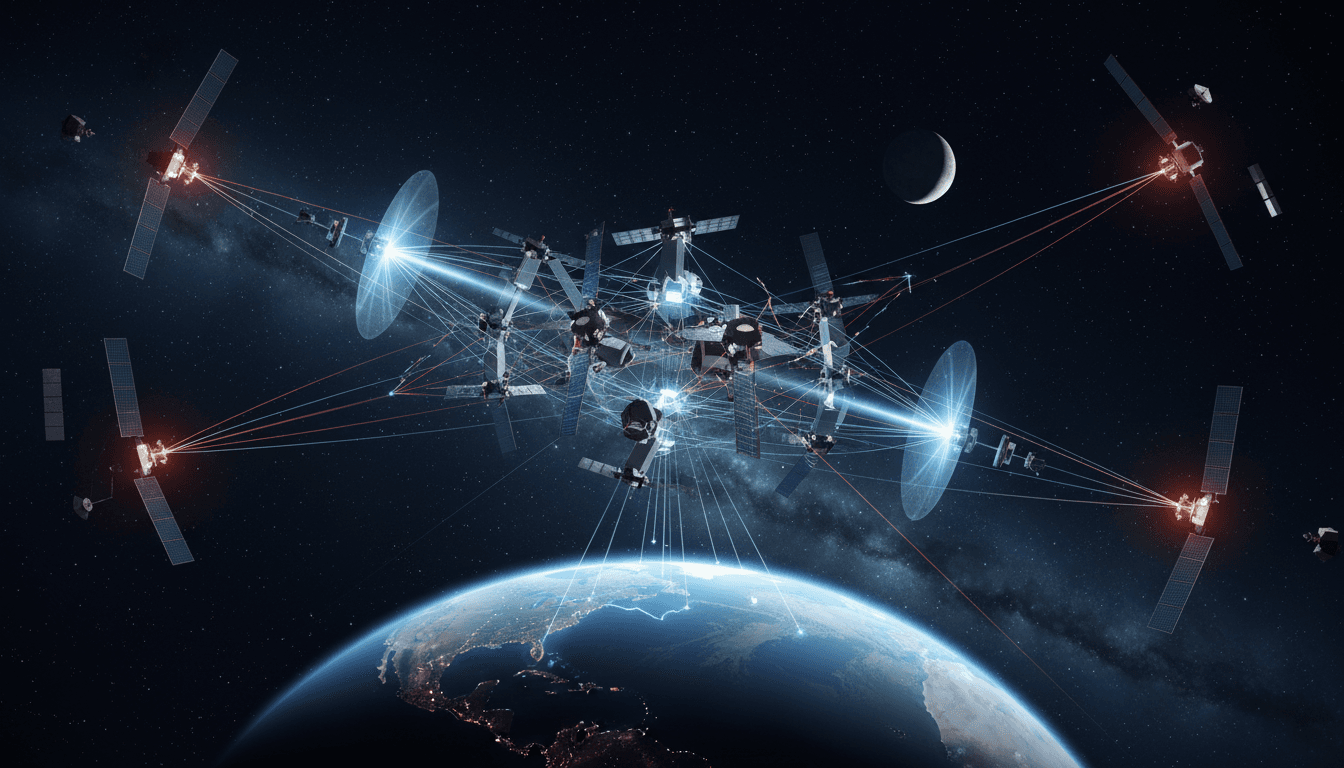
United States Confirms Deployment of Space Control Weapons in Earth's Orbit
Why it matters
The U.S. deployment of space control weapons signals a new phase in military strategy, impacting global security dynamics.
What happened (in 30 seconds)
- On September 15, 2026, the U.S. confirmed the deployment of on-orbit space control weapons, marking its first public acknowledgment of such capabilities.
- Secretary of the Air Force Troy Meink stated these weapons are essential for protecting U.S. forces from adversaries like Russia and China.
- China and Russia have reacted by warning against an arms race in space, highlighting the potential for increased geopolitical tensions.
The context you actually need
- Space has been militarized since the 1960s, with nations developing anti-satellite technologies to protect their interests.
- Recent maneuvers by Russia and China near U.S. satellites have raised alarms about their intentions and capabilities in space.
- The U.S. has long accused these nations of developing offensive space capabilities, prompting this strategic shift.
What's really happening
The U.S. announcement of deploying on-orbit space control weapons represents a significant shift in military strategy, reflecting the growing importance of space as a domain of conflict. Historically, space has been a critical arena for military operations, with nations leveraging satellites for reconnaissance, communication, and missile warning systems. The recent escalation in orbital maneuvers by Russia and China has heightened concerns about the potential for conflict in this domain.
The U.S. response, as articulated by Secretary Meink, underscores a proactive approach to safeguarding its interests in space. The weapons deployed are likely non-kinetic systems, such as electronic warfare or jamming platforms, designed to disrupt adversary operations without creating hazardous space debris. This choice reflects a strategic calculation to minimize collateral damage while maintaining a deterrent posture against hostile actions.
China's and Russia's immediate reactions highlight the geopolitical ramifications of this development. Both nations have expressed concerns about an emerging arms race, with China urging the U.S. to halt its military expansion in space. This dynamic could lead to a cycle of escalation, where each nation feels compelled to enhance its capabilities in response to perceived threats, further destabilizing the orbital environment.
The implications extend beyond military strategy; they also affect global markets and industries reliant on satellite technology. As tensions rise, sectors such as telecommunications, navigation, and broadcasting may experience disruptions, impacting businesses and consumers alike. The potential for space conflicts to disrupt satellite-dependent services raises questions about the resilience of these systems in an increasingly contested environment.
Moreover, the lack of transparency regarding the specific capabilities and deployment timelines of these weapons adds an element of uncertainty. Analysts are left to speculate on the nature of the systems, with some suggesting that more destructive kinetic options could be on the table, albeit with significant risks associated with space debris. This ambiguity could lead to heightened anxiety among stakeholders in the aerospace and defense sectors, as they navigate the evolving landscape of space security.
In summary, the U.S. deployment of on-orbit space control weapons marks a pivotal moment in military strategy, with far-reaching implications for global security, market stability, and the future of space as a contested domain.
Who feels it first (and how)
- Aerospace and Defense Sector: Increased investment and focus on space technologies and capabilities.
- Telecommunications Companies: Potential disruptions to satellite services affecting operations and customer experience.
- Government Agencies: Heightened scrutiny and policy adjustments regarding space security and defense strategies.
- Consumers: Possible impacts on GPS navigation and broadcasting services if tensions escalate.
What to watch next
- International Reactions: Monitor responses from other nations, particularly those with significant space capabilities, as they may adjust their military strategies in light of U.S. actions.
- Market Trends: Watch for shifts in investment within the aerospace and defense sectors, particularly in technologies related to space control and satellite resilience.
- Policy Developments: Keep an eye on potential new regulations or agreements aimed at managing space security and preventing an arms race.
The U.S. has deployed on-orbit space control weapons for the first time.
Increased geopolitical tensions and potential arms race in space among major powers.
The specific capabilities and long-term implications of the deployed weapons remain undisclosed.
Frequently Asked Questions
- Why it matters?
- The U.S. deployment of space control weapons signals a new phase in military strategy, impacting global security dynamics.
- What happened (in 30 seconds)?
- On September 15, 2026, the U.S. confirmed the deployment of on-orbit space control weapons, marking its first public acknowledgment of such capabilities. Secretary of the Air Force Troy Meink stated these weapons are essential for protecting U.S. forces from adversaries like Russia and China. China and Russia have reacted by warning against an arms race in space, highlighting the potential for increased geopolitical tensions.
- What's really happening?
- The U.S. announcement of deploying on-orbit space control weapons represents a significant shift in military strategy, reflecting the growing importance of space as a domain of conflict. Historically, space has been a critical arena for military operations, with nations leveraging satellites for reconnaissance, communication, and missile warning systems. The recent escalation in orbital maneuvers by Russia and China has heightened concerns about the potential for conflict in this domain. The U.
- Who feels it first (and how)?
- Aerospace and Defense Sector: Increased investment and focus on space technologies and capabilities. Telecommunications Companies: Potential disruptions to satellite services affecting operations and customer experience. Government Agencies: Heightened scrutiny and policy adjustments regarding space security and defense strategies. Consumers: Possible impacts on GPS navigation and broadcasting services if tensions escalate.
- What to watch next?
- International Reactions: Monitor responses from other nations, particularly those with significant space capabilities, as they may adjust their military strategies in light of U.S. actions. Market Trends: Watch for shifts in investment within the aerospace and defense sectors, particularly in technologies related to space control and satellite resilience. Policy Developments: Keep an eye on potential new regulations or agreements aimed at managing space security and preventing an arms race.
Arabic-language reporting on global and regional news.
"BBC Arabic is part of the BBC, generally regarded for editorial standards and broad international coverage."
— A47 Editor
ما السلاح الذي وضعته الولايات المتحدة في الفضاء؟
The United States has revealed the deployment of a weapon in Earth's orbit, reigniting discussions about the arms race in outer space and raising questions about the military capabilities of major powers in this domain.
Scientific discoveries, health, technology, and natural phenomena.
"Live Science reports on scientific discoveries, health, technology, and natural phenomena with a popular science tone."
— A47 Editor
Are you worried about the US deploying weapons in space?
The U.S. has confirmed the presence of weapons in orbit, which has sparked new concerns regarding the future of military competition in space. This revelation raises questions about the implications for international security and the potential for an...
Science and technology stories including AI.
"Longstanding science magazine with thoughtful AI coverage."
— A47 Editor
The U.S. has weapons in space
A high-ranking U.S. military official announced the deployment of weapons into orbit to address perceived threats from Russia and China. This move marks a significant escalation in the militarization of space, reflecting growing concerns over nationa...
Scientific research, technology, environment, and society.
"Scientific American is one of the oldest and most authoritative science magazines, known for deep dives into science, technology, and society."
— A47 Editor
The U.S. has weapons in space
A high-ranking U.S. military official announced the deployment of weapons into orbit to address perceived threats from Russia and China. This move marks a significant escalation in the militarization of space, reflecting growing concerns over nationa...
Reports on climate change, environmental science, sustainability, and nature.
"BBC News is widely regarded as a reputable international news organization, known for its impartial tone and public service mandate."
— A47 Editor
What weapon could the US have put into space?
The US has announced developments in modern warfare capabilities, specifically regarding the potential deployment of weapons in Earth's orbit. This marks a significant step in the militarization of space, highlighting the evolving nature of global de...
International coverage of politics, culture, and current affairs.
"BBC News is widely regarded as a reputable international news organization, known for its impartial tone and public service mandate."
— A47 Editor
What weapon could the US have put into space?
The US has announced developments in modern warfare capabilities, specifically regarding the potential deployment of weapons in Earth's orbit. This marks a significant step in the militarization of space, highlighting the evolving nature of global de...