
Pentagon report reveals U.S. munitions shortfalls amid Iran conflict
Why it matters
The Pentagon's report reveals critical vulnerabilities in U.S. military readiness and supply chains, impacting global defense markets.
What happened (in 30 seconds)
- The Pentagon Inspector General released a report on September 14, 2026, detailing significant munitions shortfalls due to the ongoing conflict with Iran.
- Total costs reached $33.4 billion, with $22.3 billion specifically attributed to expended munitions, contradicting previous government assurances of adequate stockpiles.
- The report highlights equipment losses totaling $3.7 billion, including aircraft and drones, alongside damages to U.S. diplomatic facilities in the Middle East.
The context you actually need
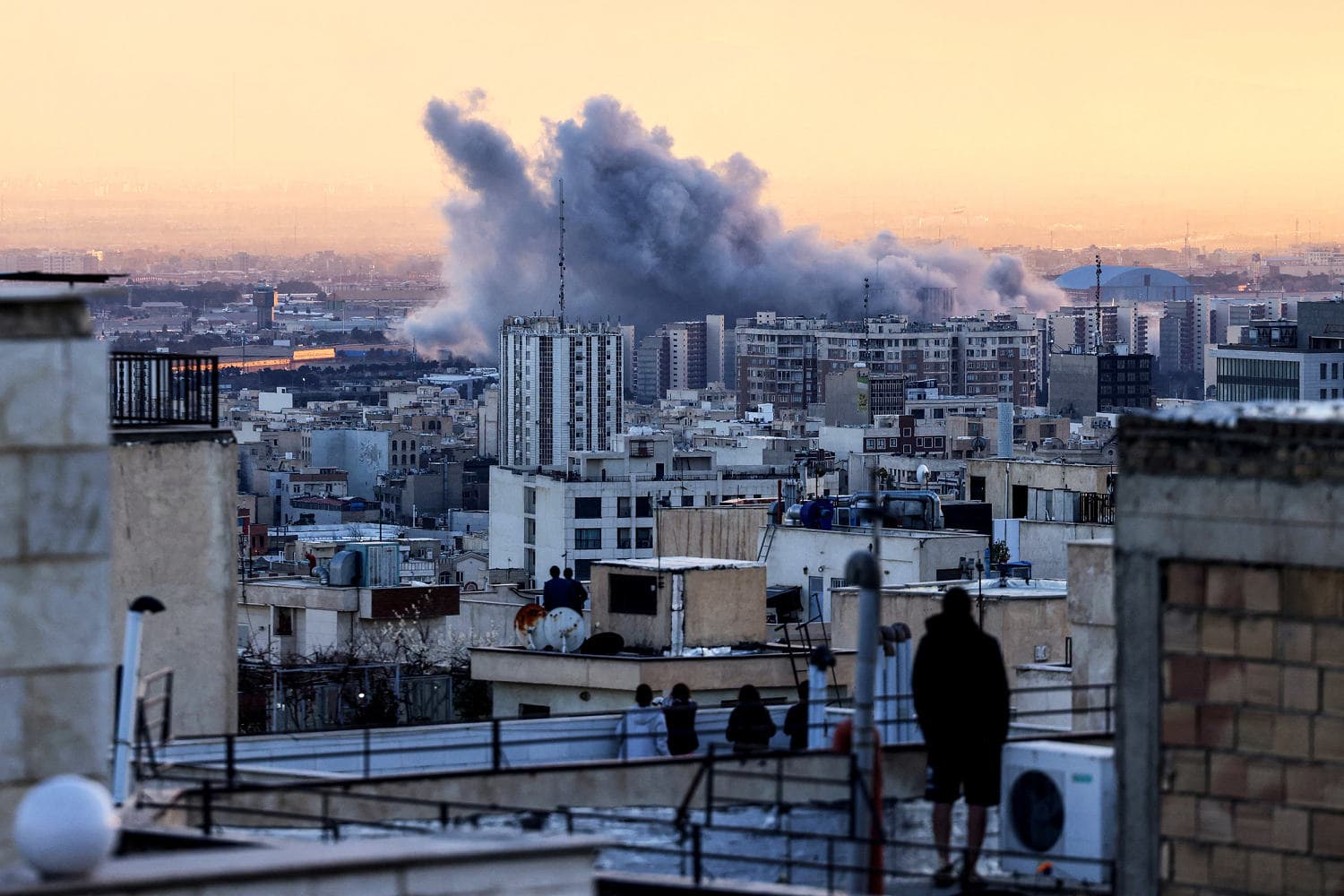
- Operation Epic Fury, initiated on February 28, 2026, involved U.S. and Israeli strikes against Iranian targets, escalating pre-existing tensions in the region.
- Prior assessments had already indicated concerns regarding U.S. munitions inventories, which the war has exacerbated due to high expenditure rates.
- The report outlines the Pentagon's response to address industrial bottlenecks in munitions production, including procurement streamlining and stockpiling efforts.
What's really happening
The Pentagon Inspector General's report serves as a critical examination of the U.S. military's operational capabilities amid the ongoing conflict with Iran. The findings reveal that the U.S. has expended $22.3 billion on munitions from February 28 to June 30, 2026, leading to significant inventory shortfalls. This expenditure has not only strained military resources but has also exposed vulnerabilities in the defense industrial base, particularly in the production of solid rocket motors, explosives, and skilled labor.
Despite the administration's assertions of robust production capabilities, the report contradicts these claims, highlighting a disconnect between political rhetoric and operational realities. Defense Secretary Pete Hegseth and President Trump have publicly denied any shortages, insisting on "virtually unlimited" supplies. However, the reality on the ground suggests otherwise, as the Pentagon grapples with the consequences of high operational tempo and the need for rapid resupply.
The report also details $3.7 billion in equipment losses, including over 30 MQ-9 drones and various aircraft, which further complicates the U.S. military's ability to sustain operations. Additionally, Iranian strikes have caused over $208 million in damages to U.S. bases and diplomatic facilities across Iraq, Kuwait, Saudi Arabia, and the UAE. This situation not only affects military readiness but also has broader implications for U.S. diplomatic relations in the region.
As the Pentagon initiates measures to streamline procurement and address production bottlenecks, the implications for defense contractors and related sectors are significant. The need for increased production capacity and efficient supply chains will likely drive changes in procurement strategies, impacting both domestic and international defense markets. The ongoing conflict and its associated costs may also lead to a reevaluation of U.S. military engagement strategies, as the administration seeks to balance operational demands with resource availability.
Who feels it first (and how)
- Defense contractors: Increased demand for munitions and related supplies may lead to new contracts and procurement opportunities.
- Military personnel: Strain on resources could affect operational readiness and personnel deployment strategies.
- Diplomatic staff: Increased security measures and potential relocations due to facility damages may impact diplomatic operations in the Middle East.
What to watch next
- Production capacity adjustments: Monitor how defense contractors respond to the need for increased munitions production and the potential for new contracts.
- Diplomatic relations: Watch for shifts in U.S. diplomatic strategies in the Middle East as the conflict evolves and resource constraints become more pronounced.
- Congressional oversight: Keep an eye on legislative actions regarding military spending and oversight, particularly from figures like Senator Tammy Duckworth advocating for comprehensive reviews.
The U.S. has incurred significant costs due to munitions expenditures and equipment losses in the Iran conflict.
The Pentagon will continue to face challenges in munitions production and resupply, impacting military operations.
The long-term effects on U.S. military strategy and defense procurement practices remain to be seen.
Frequently Asked Questions
- Why it matters?
- The Pentagon's report reveals critical vulnerabilities in U.S. military readiness and supply chains, impacting global defense markets.
- What happened (in 30 seconds)?
- The Pentagon Inspector General released a report on September 14, 2026, detailing significant munitions shortfalls due to the ongoing conflict with Iran. Total costs reached $33.4 billion, with $22.3 billion specifically attributed to expended munitions, contradicting previous government assurances of adequate stockpiles. The report highlights equipment losses totaling $3.7 billion, including aircraft and drones, alongside damages to U.S. diplomatic facilities in the Middle East.
- What's really happening?
- The Pentagon Inspector General's report serves as a critical examination of the U.S. military's operational capabilities amid the ongoing conflict with Iran. The findings reveal that the U.S. has expended $22.3 billion on munitions from February 28 to June 30, 2026, leading to significant inventory shortfalls. This expenditure has not only strained military resources but has also exposed vulnerabilities in the defense industrial base, particularly in the production of solid rocket motors, explos
- Who feels it first (and how)?
- Defense contractors: Increased demand for munitions and related supplies may lead to new contracts and procurement opportunities. Military personnel: Strain on resources could affect operational readiness and personnel deployment strategies. Diplomatic staff: Increased security measures and potential relocations due to facility damages may impact diplomatic operations in the Middle East.
- What to watch next?
- Production capacity adjustments: Monitor how defense contractors respond to the need for increased munitions production and the potential for new contracts. Diplomatic relations: Watch for shifts in U.S. diplomatic strategies in the Middle East as the conflict evolves and resource constraints become more pronounced. Congressional oversight: Keep an eye on legislative actions regarding military spending and oversight, particularly from figures like Senator Tammy Duckworth advocating for comprehen
International coverage of politics, culture, and current affairs.
"BBC News is widely regarded as a reputable international news organization, known for its impartial tone and public service mandate."
— A47 Editor
Iran war has led to US munitions shortfalls, Pentagon inspector confirms
A Pentagon inspector has confirmed that the ongoing war with Iran has resulted in significant shortfalls in U.S. munitions, contradicting previous claims by President Donald Trump that U.S. supplies are nearly limitless. The inspector also highlighte...
English-language reporting on Saudi politics, policy, and society.
"Saudi Gazette reflects mainstream Saudi institutional perspectives."
— A47 Editor
Pentagon admits Iran war resulted in munitions shortfalls
A recent report from the Pentagon's Inspector General has revealed that the ongoing war in Iran has led to significant munitions shortfalls and supply-chain issues, raising concerns about the U.S. military's capacity to sustain prolonged operations. ...
News across North, Central, and South America including politics and economics.
"France 24 is viewed as a globally focused outlet with balanced coverage and a European perspective."
— A47 Editor
Iran war exposes US munitions shortfall, industrial bottlenecks, Pentagon report says
A recent Pentagon report has revealed that the ongoing war with Iran has led to significant shortages of key munitions for the US military, highlighting industrial bottlenecks that hinder the replenishment of stockpiles. This contradicts previous ass...
National headlines across the United States including breaking stories and societal issues.
"NBC News is a mainstream media outlet known for comprehensive national and international news coverage with a centrist to slightly left-leaning editorial tone."
— A47 Editor
Pentagon inspector general says Iran war has led to a shortfall of U.S. munitions
The Pentagon inspector general has reported a significant shortfall in U.S. munitions due to the ongoing war with Iran, which began on February 28, 2026, alongside Israel's involvement. This marks the first public acknowledgment of the war's impact o...