
U.S. House Approves Sanctioning Russia and Iran Act of 2026
Why it matters
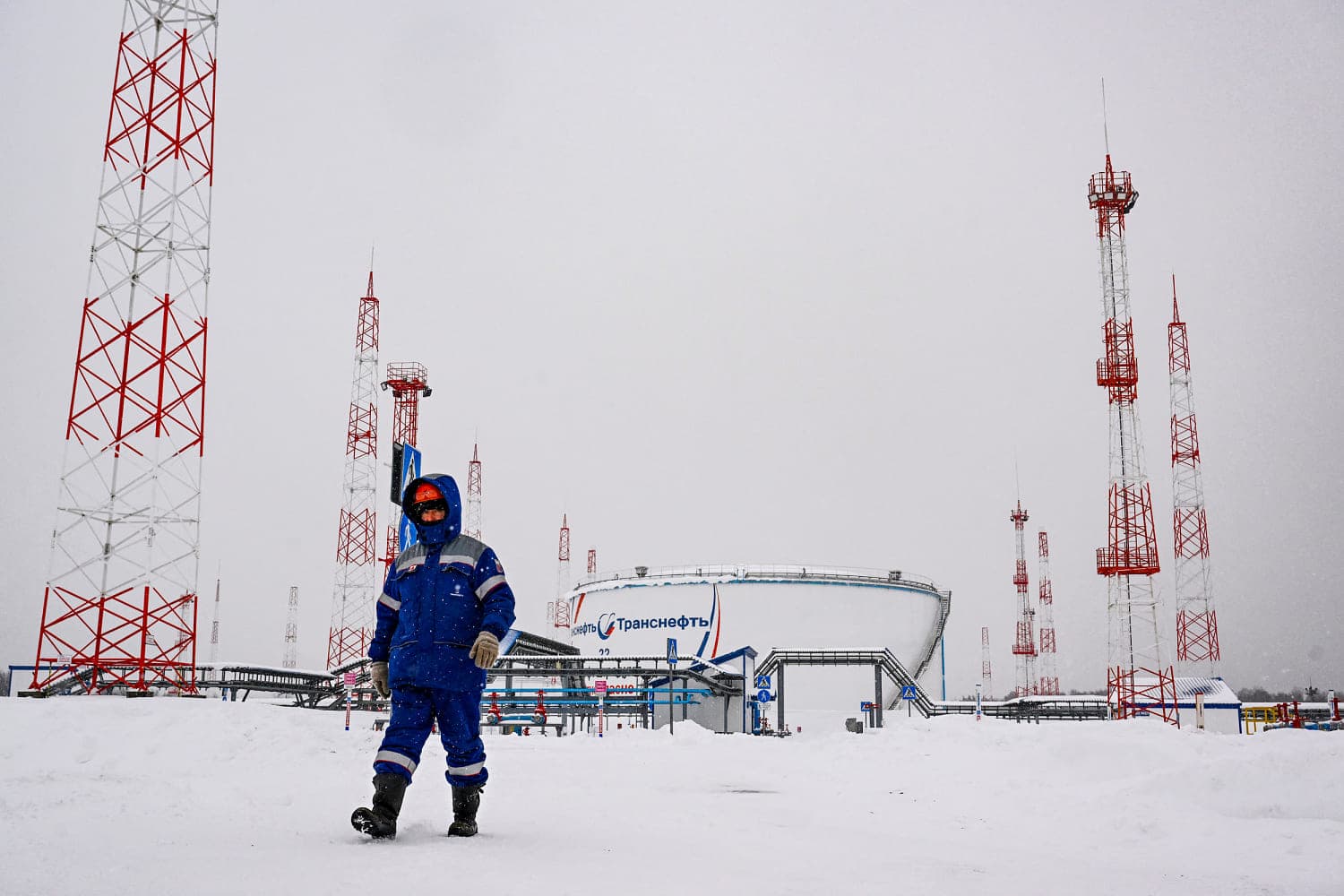
This bipartisan legislation aims to significantly disrupt Russia's energy revenues, which could reshape global energy dynamics.
What happened (in 30 seconds)
- The U.S. House of Representatives passed the Lindsey O. Graham Sanctioning Russia and Iran Act of 2026 by a vote of 262-159.
- The bill imposes new sanctions on Russia's energy sector and extends sanctions on Iran, targeting their weapons and energy programs.
- President Trump is expected to sign the legislation, which has bipartisan support but also faces concerns from some Democratic leaders.
The context you actually need
- The Russia-Ukraine war has been ongoing since February 2022, prompting various U.S. sanctions aimed at crippling Russia's economy.
- Senator Lindsey Graham, who championed the bill, passed away in July 2026, leading to the bill being renamed in his honor.
- The legislation includes tariffs of up to 100% on major purchasers of Russian oil and gas, potentially affecting countries like China and India.
What's really happening
The Lindsey O. Graham Sanctioning Russia and Iran Act of 2026 represents a strategic escalation in the U.S. response to the ongoing conflict in Ukraine. By targeting Russia's energy sector, the legislation aims to cut off a significant revenue stream that funds its military operations. The bill authorizes tariffs of up to 100% on major importers of Russian oil and gas, which could include countries that have historically maintained trade relations with Moscow, such as China and India. This move is designed to pressure these nations to reconsider their energy purchases from Russia, thereby isolating Moscow further on the global stage.
The act also extends existing sanctions on Iran, reflecting a dual approach to countering adversarial regimes that threaten U.S. interests and global stability. The bipartisan support for the bill indicates a consensus among U.S. lawmakers about the need for a robust response to Russian aggression, even as some Democrats express concerns about the expanded powers granted to the president regarding tariff implementation.
The implications of this legislation are multifaceted. For one, it could lead to increased volatility in global energy markets as countries adjust to new tariffs and seek alternative sources of oil and gas. This could drive up prices for consumers and businesses alike, particularly in regions heavily reliant on energy imports. Additionally, the legislation may provoke retaliatory measures from Russia, complicating diplomatic efforts aimed at resolving the conflict in Ukraine.
As the bill moves to President Trump's desk, its potential impact on international relations and energy markets will be closely monitored. The expectation is that Trump will sign the bill, further solidifying the U.S. stance against Russia and Iran. However, the long-term effectiveness of these sanctions in achieving their intended goals remains to be seen, particularly in light of the complex geopolitical landscape.
Who feels it first (and how)
- Energy companies: Increased tariffs could raise costs and alter supply chains.
- Consumers: Higher energy prices may lead to increased costs for goods and services.
- Countries reliant on Russian energy: Nations like China and India may face economic pressure to shift their energy sourcing.
- U.S. allies in Europe: They may benefit from reduced competition for energy supplies but could also face higher prices.
What to watch next
- Market reactions: Watch for fluctuations in global oil prices as the bill is signed and implemented.
- Responses from Russia and Iran: Their potential retaliatory measures could escalate tensions further.
- International diplomatic efforts: Observe how this legislation affects ongoing peace negotiations in Ukraine.
The bill has passed the House and is expected to be signed by President Trump.
Global energy prices will experience volatility as markets react to the new sanctions.
The long-term effectiveness of these sanctions in altering Russia's military strategy remains uncertain.
Frequently Asked Questions
- Why it matters?
- This bipartisan legislation aims to significantly disrupt Russia's energy revenues, which could reshape global energy dynamics.
- What happened (in 30 seconds)?
- The U.S. House of Representatives passed the Lindsey O. Graham Sanctioning Russia and Iran Act of 2026 by a vote of 262-159. The bill imposes new sanctions on Russia's energy sector and extends sanctions on Iran, targeting their weapons and energy programs. President Trump is expected to sign the legislation, which has bipartisan support but also faces concerns from some Democratic leaders.
- What's really happening?
- The Lindsey O. Graham Sanctioning Russia and Iran Act of 2026 represents a strategic escalation in the U.S. response to the ongoing conflict in Ukraine. By targeting Russia's energy sector, the legislation aims to cut off a significant revenue stream that funds its military operations. The bill authorizes tariffs of up to 100% on major importers of Russian oil and gas, which could include countries that have historically maintained trade relations with Moscow, such as China and India. This move
- Who feels it first (and how)?
- Energy companies: Increased tariffs could raise costs and alter supply chains. Consumers: Higher energy prices may lead to increased costs for goods and services. Countries reliant on Russian energy: Nations like China and India may face economic pressure to shift their energy sourcing. U.S. allies in Europe: They may benefit from reduced competition for energy supplies but could also face higher prices.
- What to watch next?
- Market reactions: Watch for fluctuations in global oil prices as the bill is signed and implemented. Responses from Russia and Iran: Their potential retaliatory measures could escalate tensions further. International diplomatic efforts: Observe how this legislation affects ongoing peace negotiations in Ukraine.
News across North, Central, and South America including politics and economics.
"France 24 is viewed as a globally focused outlet with balanced coverage and a European perspective."
— A47 Editor
US Congress passes Russia sanctions bill
The US Congress has passed a comprehensive sanctions bill aimed at Russia, which is now awaiting President Donald Trump's approval. This legislation seeks to intensify pressure on Moscow in response to its ongoing military actions in Ukraine.
Global news coverage with extensive reporting on Middle Eastern conflicts and geopolitics.
"Al Jazeera is a Qatar-based broadcaster known for wide regional coverage and alternative perspectives."
— A47 Editor
Congress passes sweeping US sanctions bill targeting Russia
The US Congress has passed a significant sanctions bill targeting Russia, marking the first legislative support for Ukraine in over two years. This development underscores a renewed commitment from the US government to assist Ukraine amid ongoing ten...
News from the United States including domestic politics, society, and culture.
"The Guardian is known for its progressive editorial stance and in-depth analysis, often advocating for social justice, environmental issues, and liberal values."
— A47 Editor
US lawmakers pass bill giving Trump more power to sanction Russia and its enablers
The US Congress has passed a significant bill allowing President Donald Trump to impose increased tariffs on major buyers of Russian energy and to implement additional sanctions against Russia, amidst a divided response from lawmakers. The legislatio...
International coverage from The Guardian's global desks.
"The Guardian is known for its progressive editorial stance and in-depth analysis."
— A47 Editor
US lawmakers pass bill giving Trump more power to sanction Russia and its enablers
The US Congress has passed a significant bill allowing President Donald Trump to impose increased tariffs on major buyers of Russian energy and to implement additional sanctions against Russia, amidst a divided response from lawmakers. The legislatio...
Capitol Hill news, legislation, and policy insight.
"The Hill specializes in U.S. politics and policy, with a focus on Capitol Hill developments and a reputation for insider reporting."
— A47 Editor
House passes Russia sanctions bill, sending it to Trump’s desk
The U.S. House of Representatives has passed a significant sanctions bill aimed at Russia, granting President Trump the authority to impose tariffs on countries purchasing Russian energy and to implement tougher sanctions against the Kremlin due to i...
National headlines across the United States including breaking stories and societal issues.
"NBC News is a mainstream media outlet known for comprehensive national and international news coverage with a centrist to slightly left-leaning editorial tone."
— A47 Editor
House passes Russia sanctions bill named for Lindsey Graham, sending it to Trump
The U.S. House of Representatives has passed a sanctions bill targeting Russia's energy sector, which aims to penalize major buyers of Russian oil and gas. This legislation, named after Senator Lindsey Graham, follows the Senate's approval and is now...
Comprehensive coverage of global events, politics, and international issues.
"NBC News is a mainstream outlet known for comprehensive national and international coverage with a centrist to slightly left-leaning editorial tone."
— A47 Editor
House passes Russia sanctions bill named for Lindsey Graham, sending it to Trump
The U.S. House of Representatives has passed a sanctions bill targeting Russia's energy sector, which aims to penalize major buyers of Russian oil and gas. This legislation, named after Senator Lindsey Graham, follows the Senate's approval and is now...