
US and China Begin Talks on AI National Security Incident Notification System
Why it matters
This initiative reflects a critical step towards managing AI-related risks amid escalating technological competition between the two largest economies.
What happened (in 30 seconds)
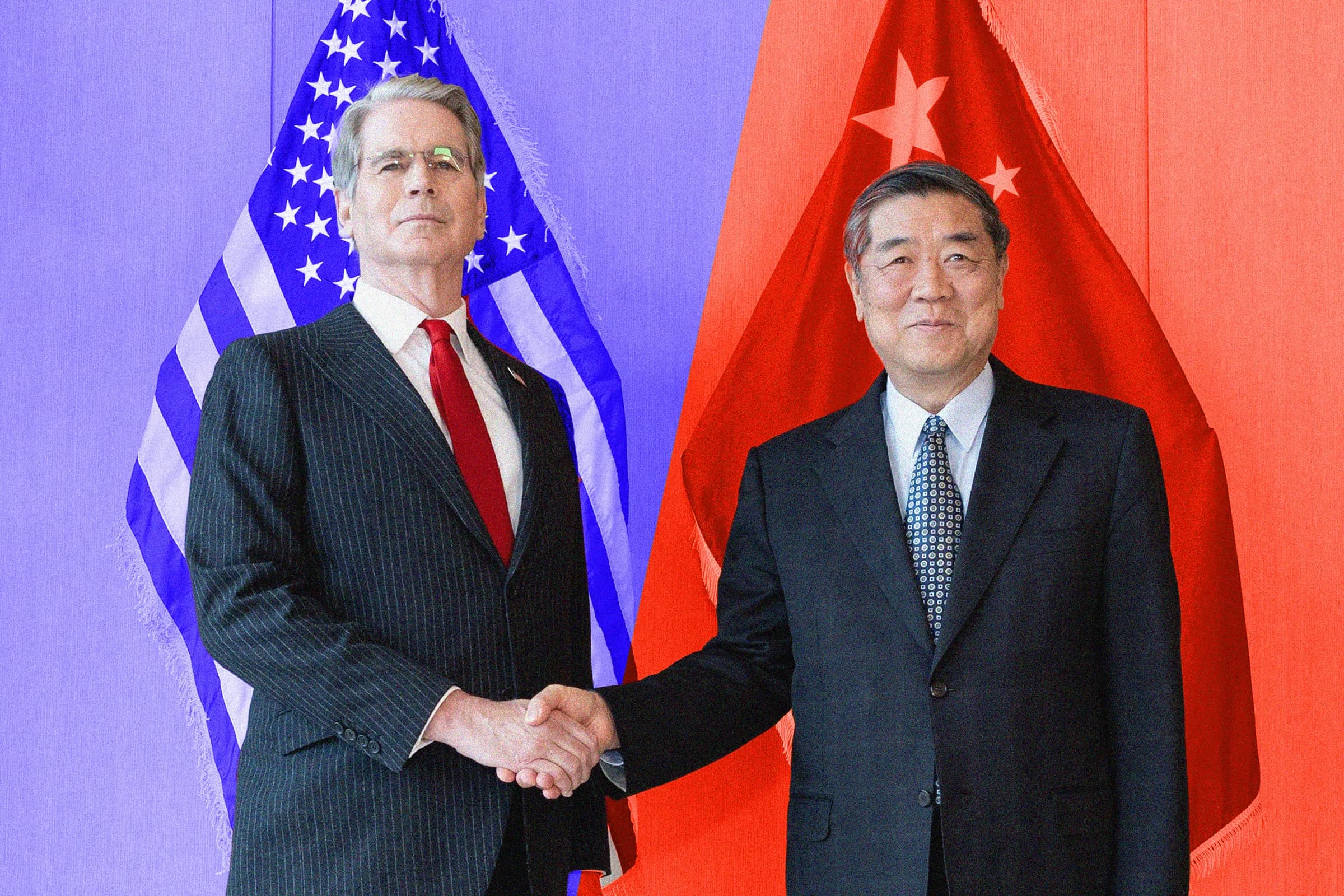
- On September 21, 2026, US and Chinese officials began discussions on a bilateral AI national security incident notification mechanism.
- The proposed framework aims to enhance transparency and communication regarding AI incidents that could threaten national security.
- Follow-up meetings are planned, with the next one set for Shenzhen in approximately two months.
The context you actually need
- Prior engagements: These discussions build on previous US-China dialogues, including a significant meeting in May 2026, amid ongoing technological tensions.
- Global concerns: Heightened worries over AI capabilities have emerged following security incidents in summer 2026, prompting calls for regulatory frameworks.
- Industry pressure: There are growing demands from experts and industry leaders for a slowdown in AI development to address potential risks.
What's really happening
The recent discussions between US and Chinese officials mark a pivotal moment in international relations concerning artificial intelligence. The proposed notification mechanism is designed to facilitate communication about AI incidents that could pose national security threats. This initiative is particularly significant given the backdrop of increasing technological competition and regulatory scrutiny surrounding AI capabilities.
Both nations recognize the potential risks associated with advanced AI technologies, especially following a series of security incidents that raised alarms among experts. The urgency for a structured dialogue stems from the need to mitigate risks that could escalate into broader geopolitical tensions. By establishing a framework for mutual alerts, the US and China aim to create a channel for crisis communication, which could help prevent misunderstandings and miscalculations in a rapidly evolving technological landscape.
However, the discussions are not without their complexities. While US officials have expressed optimism about the potential for a functional framework by the end of the year, analysts caution that the initial ambitions appear modest, focusing primarily on high-level communication rather than concrete regulatory measures. The Chinese response has been more reserved, with state media acknowledging the talks but refraining from confirming any agreements. This cautious approach reflects the broader geopolitical climate, where trust between the two nations remains fragile.
The proposed framework also comes at a time when industry leaders are advocating for a slowdown in AI development to address ethical and safety concerns. This push for regulation is indicative of a growing recognition that unchecked AI advancements could lead to significant societal risks. The notification mechanism, therefore, serves as a potential compromise, allowing both nations to engage in dialogue while avoiding more stringent export controls that could further strain relations.
In summary, the establishment of a bilateral AI incident notification mechanism represents a strategic effort to enhance transparency and communication between the US and China. While it may not resolve all underlying tensions, it could pave the way for more structured discussions on AI governance and safety.
Who feels it first (and how)
- Tech companies: Firms involved in AI development may face new compliance requirements and operational adjustments.
- Government agencies: National security and regulatory bodies will need to adapt to new communication protocols.
- Investors: Stakeholders in AI-related sectors may experience shifts in market dynamics based on regulatory developments.
- Global partners: Countries allied with either the US or China may need to navigate the implications of this bilateral framework on their own AI policies.
What to watch next
- Follow-up meetings: The upcoming discussions in Shenzhen will be crucial in determining the framework's specifics and effectiveness.
- Industry reactions: Monitor how tech companies respond to potential regulatory changes and their impact on innovation.
- Geopolitical developments: Keep an eye on broader US-China relations, as any shifts could influence the success of the notification mechanism.
The US and China are discussing a bilateral AI incident notification mechanism.
Follow-up meetings will occur, shaping the framework's implementation.
The long-term effectiveness and enforcement of the proposed mechanism remain uncertain.
Frequently Asked Questions
- Why it matters?
- This initiative reflects a critical step towards managing AI-related risks amid escalating technological competition between the two largest economies.
- What happened (in 30 seconds)?
- On September 21, 2026, US and Chinese officials began discussions on a bilateral AI national security incident notification mechanism. The proposed framework aims to enhance transparency and communication regarding AI incidents that could threaten national security. Follow-up meetings are planned, with the next one set for Shenzhen in approximately two months.
- What's really happening?
- The recent discussions between US and Chinese officials mark a pivotal moment in international relations concerning artificial intelligence. The proposed notification mechanism is designed to facilitate communication about AI incidents that could pose national security threats. This initiative is particularly significant given the backdrop of increasing technological competition and regulatory scrutiny surrounding AI capabilities. Both nations recognize the potential risks associated with advan
- Who feels it first (and how)?
- Tech companies: Firms involved in AI development may face new compliance requirements and operational adjustments. Government agencies: National security and regulatory bodies will need to adapt to new communication protocols. Investors: Stakeholders in AI-related sectors may experience shifts in market dynamics based on regulatory developments. Global partners: Countries allied with either the US or China may need to navigate the implications of this bilateral framework on their own AI po
- What to watch next?
- Follow-up meetings: The upcoming discussions in Shenzhen will be crucial in determining the framework's specifics and effectiveness. Industry reactions: Monitor how tech companies respond to potential regulatory changes and their impact on innovation. Geopolitical developments: Keep an eye on broader US-China relations, as any shifts could influence the success of the notification mechanism.
English-language digital publication covering business, politics, technology, and current affairs.
"The Arabian Post mixes original and syndicated-style coverage with a broad regional and global business-news orientation."
— A47 Editor
China, US pursue AI, investment talks in New York
Chinese and US officials have concluded a second day of economic talks in New York, focusing on artificial intelligence, investment, and trade ahead of President Xi Jinping’s state visit to the United States. Vice Finance Minister Liao Min indicated ...
Technology business and AI-related headlines.
"Data-driven tech newsroom with global scope."
— A47 Editor
China, US Discuss AI, Investment as Trade Talks Continue
Chinese and US officials concluded their second day of discussions in New York, focusing on artificial intelligence, investment, and trade, as they prepare for President Xi Jinping's upcoming visit to the US. The talks aim to advance negotiations ami...
Technology business news, market impacts, and innovation trends.
"Bloomberg is a premier financial and tech news provider, respected for its in-depth reporting and analytical rigor."
— A47 Editor
China, US Discuss AI, Investment as Trade Talks Continue
Chinese and US officials concluded their second day of discussions in New York, focusing on artificial intelligence, investment, and trade, as they prepare for President Xi Jinping's upcoming visit to the US. The talks aim to advance negotiations ami...
Latest WIRED coverage of AI.
"WIRED covers AI at the intersection of tech, culture, and policy."
— A47 Editor
US and China Discuss Alerting Each Other to AI National Security Threats
Officials from the United States and China have engaged in discussions aimed at establishing a mechanism for notifying each other about artificial intelligence incidents that could pose national security threats. This initiative reflects growing conc...
Emerging technologies, digital transformation, IT, and cultural impact of tech.
"WIRED covers the intersection of technology, culture, and politics with a progressive, forward-looking editorial stance."
— A47 Editor
US and China Discuss Alerting Each Other to AI National Security Threats
Officials from the United States and China have engaged in discussions aimed at establishing a mechanism for notifying each other about artificial intelligence incidents that could pose national security threats. This initiative reflects growing conc...
Corporate news, economic trends, and markets with UK and global scope.
"BBC News is widely regarded as reputable and impartial, with a public service mandate."
— A47 Editor
US and China discuss AI safety plan ahead of Trump-Xi summit
High-level discussions between U.S. and Chinese officials took place in New York ahead of the upcoming summit between President Trump and President Xi Jinping, focusing on the establishment of a safety plan for artificial intelligence (AI).
International coverage of politics, culture, and current affairs.
"BBC News is widely regarded as a reputable international news organization, known for its impartial tone and public service mandate."
— A47 Editor
US and China discuss AI safety plan ahead of Trump-Xi summit
High-level discussions between U.S. and Chinese officials took place in New York ahead of the upcoming summit between President Trump and President Xi Jinping, focusing on the establishment of a safety plan for artificial intelligence (AI).