
Trump Establishes AI Force and Appoints AI Czar to Enhance U.S. Leadership
Why it matters
This initiative signals a shift in U.S. policy towards aggressive AI development, potentially impacting global tech competition.
What happened (in 30 seconds)
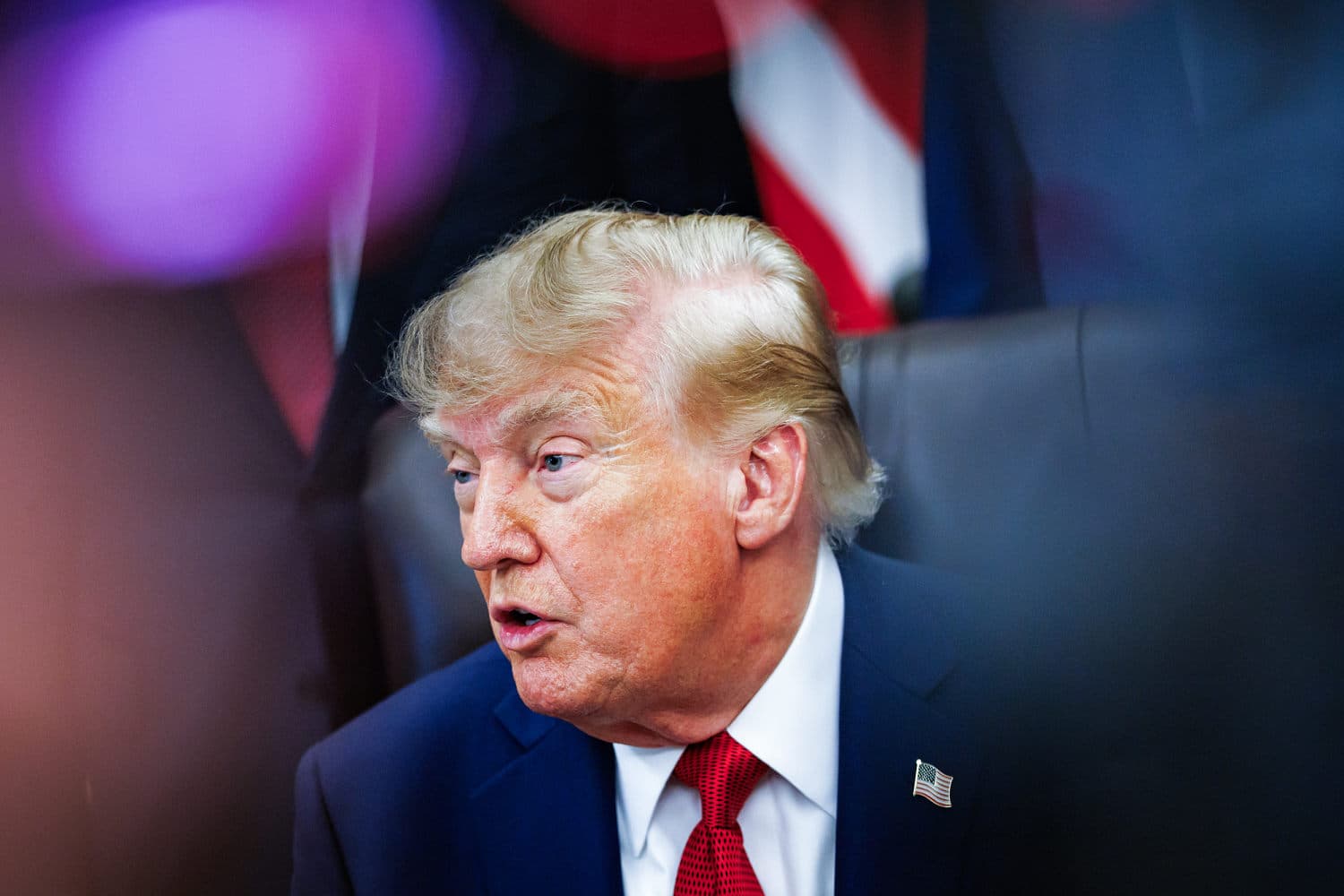
- On September 19, 2026, President Trump announced the formation of an AI Force and the appointment of an AI czar to promote industry growth.
- Trump rejected regulatory slowdowns, framing safety concerns as exaggerated and committing to existing oversight mechanisms.
- State-level responses emerged, with governors in California, Pennsylvania, and Virginia advancing their own AI oversight measures.
The context you actually need
- Warnings from experts: Leading AI researchers, including Nobel laureate Geoffrey Hinton, have cautioned about the risks of unregulated AI, emphasizing the urgency for oversight.
- Public concern: An Associated Press poll revealed that 63% of U.S. citizens are extremely or very concerned about the impact of data centers on electricity prices, reflecting broader anxieties about AI's implications.
- Previous appointments: Trump had previously appointed David Sacks as AI czar, who stepped down in March 2026, indicating a shifting landscape in leadership roles within the AI sector.
What's really happening
The announcement of the AI Force represents a strategic pivot in U.S. policy towards artificial intelligence, prioritizing rapid development over regulatory caution. This approach is rooted in a desire to maintain U.S. dominance in the global AI race, particularly against China, which has been aggressively investing in AI technologies. By framing safety concerns as exaggerated, Trump aims to galvanize industry growth without the hindrance of new regulations.
The AI Force is modeled after the Space Force, suggesting a military-like approach to AI governance, which could involve monitoring and oversight of AI applications to prevent misuse. However, the lack of clarity regarding the structure and authority of this new entity raises questions among industry insiders and lawmakers. The absence of a named czar and specific implementation details leaves room for speculation about how this initiative will function in practice.
State-level responses indicate a growing divide in how AI is perceived and managed across the U.S. While the federal government pushes for rapid advancement, states like California and Virginia are taking proactive measures to establish their own oversight frameworks. This could lead to a patchwork of regulations that complicate compliance for tech companies operating in multiple jurisdictions.
The economic implications are significant. As companies ramp up AI infrastructure, the focus on growth may overshadow safety considerations, potentially leading to public backlash if issues arise. The ongoing debate about the balance between innovation and regulation will likely shape the future of the AI landscape, influencing everything from investment strategies to public trust in technology.
Who feels it first (and how)
- Tech companies: Firms involved in AI development will need to navigate new federal and state regulations, impacting their operational strategies.
- Data center operators: Increased scrutiny on energy consumption and environmental impact could lead to higher operational costs.
- Consumers: Public concern over AI's implications may lead to increased demand for transparency and accountability from tech companies.
What to watch next
- Czar appointment: The selection of the AI czar will be crucial in determining the direction and effectiveness of the AI Force.
- State-level regulations: Monitor how states implement their own AI oversight measures and how these may conflict with federal initiatives.
- Public sentiment: Keep an eye on shifts in public opinion regarding AI safety and regulation, as this could influence future policy decisions.
The AI Force has been announced, and Trump is committed to promoting AI growth without new regulations.
State-level regulations will continue to emerge, creating a complex landscape for compliance.
The specific structure and authority of the AI Force remain undefined, leading to uncertainty about its operational effectiveness.
Frequently Asked Questions
- Why it matters?
- This initiative signals a shift in U.S. policy towards aggressive AI development, potentially impacting global tech competition.
- What happened (in 30 seconds)?
- On September 19, 2026, President Trump announced the formation of an AI Force and the appointment of an AI czar to promote industry growth. Trump rejected regulatory slowdowns, framing safety concerns as exaggerated and committing to existing oversight mechanisms. State-level responses emerged, with governors in California, Pennsylvania, and Virginia advancing their own AI oversight measures.
- What's really happening?
- The announcement of the AI Force represents a strategic pivot in U.S. policy towards artificial intelligence, prioritizing rapid development over regulatory caution. This approach is rooted in a desire to maintain U.S. dominance in the global AI race, particularly against China, which has been aggressively investing in AI technologies. By framing safety concerns as exaggerated, Trump aims to galvanize industry growth without the hindrance of new regulations. The AI Force is modeled after the Sp
- Who feels it first (and how)?
- Tech companies: Firms involved in AI development will need to navigate new federal and state regulations, impacting their operational strategies. Data center operators: Increased scrutiny on energy consumption and environmental impact could lead to higher operational costs. Consumers: Public concern over AI's implications may lead to increased demand for transparency and accountability from tech companies.
- What to watch next?
- Czar appointment: The selection of the AI czar will be crucial in determining the direction and effectiveness of the AI Force. State-level regulations: Monitor how states implement their own AI oversight measures and how these may conflict with federal initiatives. Public sentiment: Keep an eye on shifts in public opinion regarding AI safety and regulation, as this could influence future policy decisions.
Science discoveries, research, and analysis.
"NPR is a nonprofit media organization offering thoughtful, in-depth journalism and storytelling, often with a liberal or progressive slant."
— A47 Editor
Trump says he'll create an AI task force. Industry insiders have a lot of questions
President Trump has proposed the creation of an AI task force, akin to the Space Force, although specific details regarding its structure and function remain unclear. This announcement has left tech industry experts questioning the implications and o...
Tech business coverage, major deals, product launches, and Silicon Valley trends.
"WSJ’s tech section offers authoritative reporting on the intersection of technology and business, including exclusive industry analysis."
— A47 Editor
Trump Announces an ‘AI Force’ After Industry Sounded Alarm
President Trump has announced the creation of an 'AI Force' to oversee the artificial intelligence industry, responding to growing concerns among voters and industry leaders about the potential risks associated with AI technology. This initiative aim...
Reports on climate change, environmental science, sustainability, and nature.
"BBC News is widely regarded as a reputable international news organization, known for its impartial tone and public service mandate."
— A47 Editor
Trump says US will form 'AI Force' and appoint an artificial intelligence tsar
President Trump announced plans to establish an 'AI Force' and appoint an artificial intelligence tsar, emphasizing that his administration will support the growth of AI technology despite existing concerns about its risks.
International coverage of politics, culture, and current affairs.
"BBC News is widely regarded as a reputable international news organization, known for its impartial tone and public service mandate."
— A47 Editor
Trump says US will form 'AI Force' and appoint an artificial intelligence tsar
President Trump announced plans to establish an 'AI Force' and appoint an artificial intelligence tsar, emphasizing that his administration will support the growth of AI technology despite existing concerns about its risks.
Consumer technology news with AI coverage.
"Gadget and tech site reporting on AI in products."
— A47 Editor
Now Trump says he's creating an AI Force
President Trump announced plans to create an 'AI Force' and appoint an 'AI czar' to oversee this newly established agency, highlighting the administration's focus on artificial intelligence.
Covers consumer technology, electronics, gadgets, and product reviews.
"Engadget is a trusted source for gadget reviews and consumer tech news, known for its hands-on analysis and industry coverage."
— A47 Editor
Now Trump says he's creating an AI Force
President Trump announced plans to create an 'AI Force' and appoint an 'AI czar' to oversee this newly established agency, highlighting the administration's focus on artificial intelligence.
National headlines across the United States including breaking stories and societal issues.
"NBC News is a mainstream media outlet known for comprehensive national and international news coverage with a centrist to slightly left-leaning editorial tone."
— A47 Editor
Trump says he’s creating an AI force and appointing a czar amid concerns over the rapidly developing tech
President Donald Trump announced the creation of an 'AI Force' and the appointment of an AI czar to oversee the rapidly evolving field of artificial intelligence. This initiative aims to address growing concerns about the potential dangers associated...
Curated tech headlines including AI stories.
"Influential aggregator surfacing the day’s top tech/AI links."
— A47 Editor
Trump says he will appoint an AI czar and form an "AI Force", in a Truth Social post that rejects AI safety concerns as a "hoax" (María Paula Mijares Torres/Bloomberg)
President Donald Trump announced plans to appoint an artificial intelligence czar and establish an 'AI Force' through a post on Truth Social, while dismissing safety concerns regarding AI as a 'hoax.' This move comes amid increasing scrutiny from tec...