
US Treasury Secretary Announces Global Grounding of Iranian Airlines via Secondary Sanctions
Why it matters
This measure significantly escalates economic pressure on Iran, impacting global aviation dynamics and regional stability.
What happened (in 30 seconds)
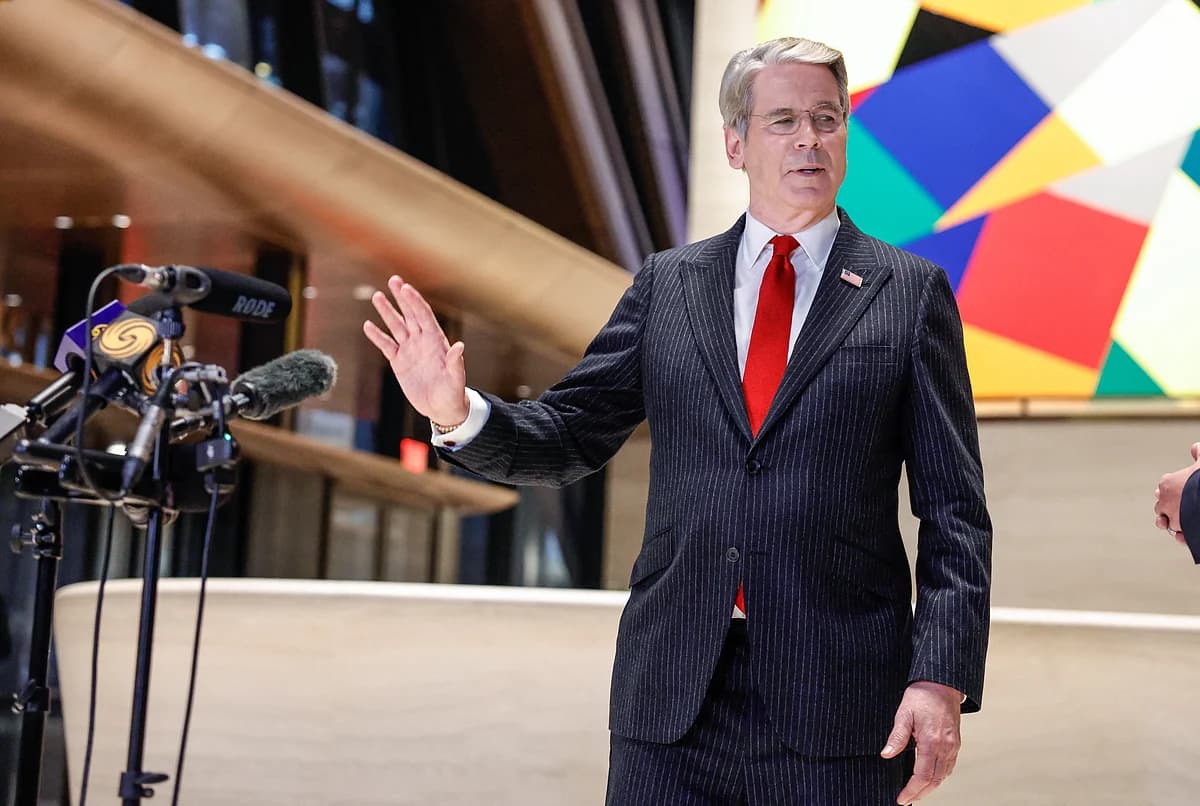
- Announcement: On September 21, 2026, US Treasury Secretary Scott Bessent declared that all Iranian airlines would be grounded worldwide effective September 23, 2026.
- Secondary Sanctions: The sanctions target foreign entities providing services to Iranian airlines, threatening their access to the US dollar financial system.
- Broader Context: This action is part of a larger economic strategy by the Trump administration to isolate Iran amid ongoing regional conflicts.
The context you actually need
- Escalating Tensions: The sanctions come amid heightened US-Iran tensions, including missile exchanges and maritime disruptions in the Strait of Hormuz.
- Previous Sanctions: Earlier in September 2026, the US Treasury sanctioned 27 Iranian airlines under Executive Order 13902, limiting their operational capabilities.
- Global Impact: The sanctions extend beyond Iran, affecting foreign airports, fuel suppliers, and ticketing entities worldwide.
What's really happening
The US Treasury's announcement to ground Iranian airlines is a strategic move in a broader economic pressure campaign against Iran, which has been ongoing for years. The sanctions leverage the US dollar's dominance in global trade, effectively coercing foreign entities into compliance by threatening their access to the US financial system. This means that any airport, fuel supplier, or service provider that engages with Iranian airlines risks being excluded from dollar transactions, which are crucial for international business.
The implications of this policy are profound. By targeting the aviation sector, the US aims to cripple Iran's ability to operate internationally, thereby limiting its economic activities and military capabilities. The sanctions are designed to isolate Tehran further, making it difficult for the country to procure new aircraft, parts, and maintenance services, which have already been restricted for years. The recent sanctions on 27 Iranian airlines are a continuation of this strategy, aiming to cut off any remaining avenues for operational support.
Moreover, the announcement has immediate ripple effects. For instance, Turkish Airlines has already suspended flights to Iran until March 2027, indicating that the sanctions are causing foreign carriers to reassess their engagement with Iranian air travel. This could lead to a significant reduction in passenger traffic to and from Iran, impacting tourism and business travel.
The economic ramifications extend beyond Iran. Countries and companies that have historically engaged with Iranian airlines will need to navigate a new landscape of compliance and risk management. This could lead to increased costs for businesses that rely on air travel in the region, as they may need to seek alternative carriers or routes.
In summary, the grounding of Iranian airlines is not just a punitive measure; it is a calculated strategy to exert economic pressure on Iran while reshaping the global aviation landscape. The long-term effects could lead to a reconfiguration of air travel routes and partnerships in the Middle East, with significant implications for regional economies.
Who feels it first (and how)
- Aviation Sector: Airlines and service providers that previously engaged with Iranian carriers will face immediate operational disruptions.
- Travelers: Business and leisure travelers to and from Iran will experience increased costs and limited options.
- Regional Economies: Countries reliant on tourism from Iran may see a decline in visitor numbers, impacting local businesses.
What to watch next
- Compliance Responses: Monitor how foreign airports and service providers react to the sanctions and whether they withdraw from engagements with Iranian airlines.
- Market Reactions: Watch for fluctuations in oil prices and stock markets as the geopolitical landscape evolves in response to these sanctions.
- Iran's Countermeasures: Keep an eye on potential retaliatory actions from Iran, including diplomatic responses or alternative alliances.
The sanctions will effectively ground Iranian airlines worldwide starting September 23, 2026.
Foreign entities will reassess their relationships with Iranian airlines to avoid sanctions.
The long-term impact on regional air travel and tourism remains uncertain.
Frequently Asked Questions
- Why it matters?
- This measure significantly escalates economic pressure on Iran, impacting global aviation dynamics and regional stability.
- What happened (in 30 seconds)?
- Announcement: On September 21, 2026, US Treasury Secretary Scott Bessent declared that all Iranian airlines would be grounded worldwide effective September 23, 2026. Secondary Sanctions: The sanctions target foreign entities providing services to Iranian airlines, threatening their access to the US dollar financial system. Broader Context: This action is part of a larger economic strategy by the Trump administration to isolate Iran amid ongoing regional conflicts.
- What's really happening?
- The US Treasury's announcement to ground Iranian airlines is a strategic move in a broader economic pressure campaign against Iran, which has been ongoing for years. The sanctions leverage the US dollar's dominance in global trade, effectively coercing foreign entities into compliance by threatening their access to the US financial system. This means that any airport, fuel supplier, or service provider that engages with Iranian airlines risks being excluded from dollar transactions, which are cr
- Who feels it first (and how)?
- Aviation Sector: Airlines and service providers that previously engaged with Iranian carriers will face immediate operational disruptions. Travelers: Business and leisure travelers to and from Iran will experience increased costs and limited options. Regional Economies: Countries reliant on tourism from Iran may see a decline in visitor numbers, impacting local businesses.
- What to watch next?
- Compliance Responses: Monitor how foreign airports and service providers react to the sanctions and whether they withdraw from engagements with Iranian airlines. Market Reactions: Watch for fluctuations in oil prices and stock markets as the geopolitical landscape evolves in response to these sanctions. Iran's Countermeasures: Keep an eye on potential retaliatory actions from Iran, including diplomatic responses or alternative alliances.
English-language news from Qatar covering domestic and regional affairs.
"Gulf Times reflects Qatari perspectives on regional developments."
— A47 Editor
Bessent calls for Iran airlines ‘shut down’
U.S. Treasury Secretary Scott Bessent has warned that Iranian airlines will face significant operational challenges globally within two days due to the intensification of American sanctions. This warning reflects the ongoing economic pressure the U.S...
Arabic-language political and world news coverage for UAE readers.
"Emarat Al Youm world coverage usually presents international developments through a UAE and Arab audience lens."
— A47 Editor
وزير الخزانة الأميركي: شركات الطيران الإيرانية ستتوقف عن العمل حول العالم بدءا من 23 سبتمبر وزير الخزانة الأميركي: شركات الطيران الإيرانية ستتوقف عن العمل حول العالم بدءا من 23 سبتمبر
U.S. Treasury Secretary Scott Pisent announced that all Iranian airlines will cease operations worldwide starting September 23. This decision marks a significant shift in the operational landscape for these airlines, impacting their ability to conduc...
Breaking news and analysis from the UAE and Gulf region.
"Khaleej Times is a long-running UAE publication with broad regional coverage."
— A47 Editor
All Iranian airlines to be shut down worldwide on Sept 23: US official Bessent
All Iranian airlines are set to be grounded worldwide on September 23, as announced by U.S. Treasury Secretary Scott Bessent. This decision is part of a broader strategy to impose severe sanctions on Iran, aimed at crippling its economic capabilities...
Stock market news, investing ideas, and trading analysis.
"TheStreet provides market news and retail-investor-focused analysis."
— A47 Editor
Bessent is sitting down with Iran's biggest oil customer
U.S. Treasury Secretary Scott Bessent is set to meet with Iran's largest oil customer amid ongoing discussions regarding sanctions on Tehran. This meeting is crucial as it could influence the dynamics of U.S.-Iran relations and the global oil market.