
Iran Receives US Response to Peace Proposal on Strait of Hormuz Reopening
Why it matters
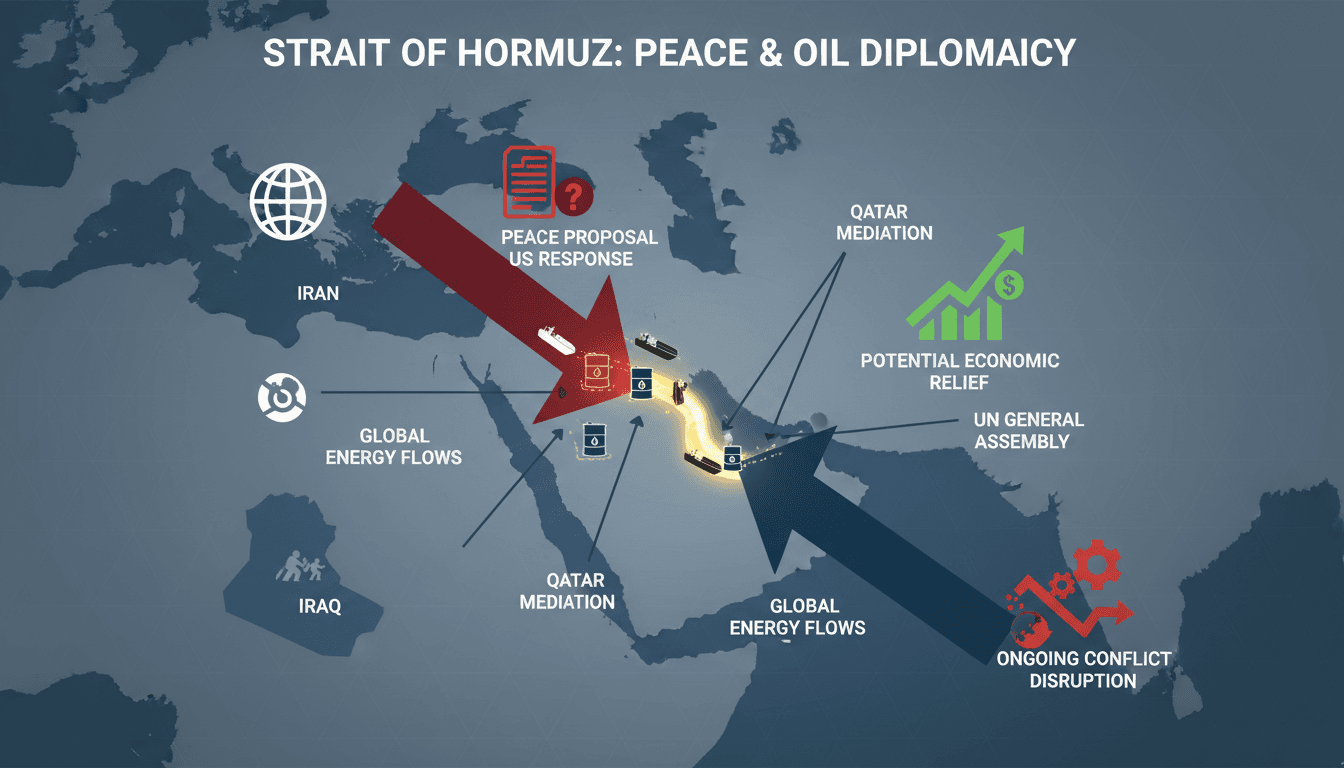
The Strait of Hormuz is a critical chokepoint for global oil shipments, and any disruption affects energy prices worldwide.
What happened (in 30 seconds)
- Iran received a formal US response to its proposal aimed at ending the ongoing US-Israeli war and reopening the Strait of Hormuz.
- The proposal includes mutual concessions, such as lifting US sanctions in exchange for Iran reopening the waterway within seven days.
- Disagreements remain over the sequencing of these steps, complicating the potential for a swift resolution.
The context you actually need
- The US-Israeli war against Iran has been ongoing for eight months, significantly disrupting global energy flows through the Strait of Hormuz.
- Iran's proposal follows a failed interim agreement from June 2026, which had aimed to stabilize the situation but collapsed due to insufficient concessions.
- Qatar has played a mediating role, facilitating indirect talks during the UN General Assembly, marking a rare diplomatic engagement since the conflict escalated.
What's really happening
The recent diplomatic exchange between Iran and the United States is a critical juncture in a protracted conflict that has significant implications for global energy markets. The US response to Iran's peace proposal, delivered through Qatari mediators, indicates a willingness to engage, albeit with caveats. The proposal from Iran seeks to reopen the Strait of Hormuz, a vital shipping route for approximately 20% of the world's oil, within a week, contingent upon the lifting of US sanctions and the release of around $12 billion in frozen Iranian assets.
The underlying mechanism here is a complex interplay of incentives. Iran is under severe economic pressure due to ongoing sanctions, which have crippled its economy and led to a dramatic depreciation of its currency. The Iranian government, led by President Masoud Pezeshkian, is keen to regain access to international markets and stabilize its economy. On the other hand, the US, under President Donald Trump, faces domestic pressures as the war's unpopularity has begun to affect electoral prospects ahead of the midterm elections. Rising fuel prices in the US, driven by the conflict, are a significant concern for voters.
The disagreement over sequencing—what steps should happen first—highlights the lack of trust between the two nations. While both sides agree on the necessary steps to de-escalate tensions, the order in which these actions should occur remains contentious. This disagreement could delay any potential resolution, prolonging the conflict and its associated economic impacts.
Shipping through the Strait of Hormuz has already been partially resumed, but elevated fees and ongoing security incidents, such as vessels being struck by projectiles, continue to disrupt normal operations. The situation remains fluid, with both sides weighing the costs and benefits of further engagement or escalation.
Who feels it first (and how)
- Energy consumers: Higher fuel prices due to disruptions in oil supply chains.
- Shipping companies: Increased operational costs from elevated shipping fees and security risks.
- Investors in energy markets: Volatility in oil prices affecting investment strategies.
- Middle Eastern economies: Countries reliant on oil exports may face economic instability if tensions escalate.
- US voters: Rising fuel prices could influence voter sentiment ahead of elections.
What to watch next
- US troop movements in Iraq: Any changes could signal shifts in US engagement in the region, impacting negotiations.
- Iran's economic indicators: Watch for changes in currency value and inflation rates, which could affect Iran's negotiating position.
- Shipping incidents in the Strait of Hormuz: Continued disruptions could escalate tensions and impact global oil prices.
Iran's proposal includes lifting sanctions in exchange for reopening the Strait of Hormuz.
Continued negotiations will face challenges due to sequencing disagreements.
The long-term impact on global energy prices and regional stability remains uncertain.
Frequently Asked Questions
- Why it matters?
- The Strait of Hormuz is a critical chokepoint for global oil shipments, and any disruption affects energy prices worldwide.
- What happened (in 30 seconds)?
- Iran received a formal US response to its proposal aimed at ending the ongoing US-Israeli war and reopening the Strait of Hormuz. The proposal includes mutual concessions, such as lifting US sanctions in exchange for Iran reopening the waterway within seven days. Disagreements remain over the sequencing of these steps, complicating the potential for a swift resolution.
- What's really happening?
- The recent diplomatic exchange between Iran and the United States is a critical juncture in a protracted conflict that has significant implications for global energy markets. The US response to Iran's peace proposal, delivered through Qatari mediators, indicates a willingness to engage, albeit with caveats. The proposal from Iran seeks to reopen the Strait of Hormuz, a vital shipping route for approximately 20% of the world's oil, within a week, contingent upon the lifting of US sanctions and th
- Who feels it first (and how)?
- Energy consumers: Higher fuel prices due to disruptions in oil supply chains. Shipping companies: Increased operational costs from elevated shipping fees and security risks. Investors in energy markets: Volatility in oil prices affecting investment strategies. Middle Eastern economies: Countries reliant on oil exports may face economic instability if tensions escalate. US voters: Rising fuel prices could influence voter sentiment ahead of elections.
- What to watch next?
- US troop movements in Iraq: Any changes could signal shifts in US engagement in the region, impacting negotiations. Iran's economic indicators: Watch for changes in currency value and inflation rates, which could affect Iran's negotiating position. Shipping incidents in the Strait of Hormuz: Continued disruptions could escalate tensions and impact global oil prices.
English-language reporting on Saudi politics, policy, and society.
"Saudi Gazette reflects mainstream Saudi institutional perspectives."
— A47 Editor
Iran says it received US response to latest peace proposal
Iran announced that it has received a formal response from the United States regarding its proposal to end the ongoing conflict and reopen the strategically vital Strait of Hormuz. This development follows heightened tensions after President Donald T...
Arabic-language coverage of Saudi, regional, and international affairs.
"Al Bilad offers mainstream Saudi newspaper coverage across domestic and broader Arab topics."
— A47 Editor
طهران تترقب رد واشنطن بشأن إعادة فتح «هرمز»
Iranian Foreign Minister Abbas Araghchi announced that Tehran is awaiting an official response from the United States regarding its proposal to reopen the Strait of Hormuz. Indirect communications between the two sides continue, mediated by Qatar, am...
European coverage of Middle East politics and security issues.
"France 24 offers international reporting with a European editorial perspective."
— A47 Editor
Iran says it expects US response Tuesday on plan to reopen Strait of Hormuz
Iran's Foreign Minister Abbas Araghchi announced that Tehran expects a response from Washington on its proposal to reopen the Strait of Hormuz, a crucial shipping route, on Tuesday. This proposal includes demands for a regional ceasefire, lifting san...
Coverage of current events and conflicts in the Middle East.
"France 24 is viewed as a globally focused outlet with balanced coverage and a European perspective."
— A47 Editor
Iran says it expects US response Tuesday on plan to reopen Strait of Hormuz
Iran's Foreign Minister Abbas Araghchi announced that Tehran expects a response from Washington on its proposal to reopen the Strait of Hormuz, a crucial shipping route, on Tuesday. This proposal includes demands for a regional ceasefire, lifting san...