
AI Executives Warn UN Security Council of Advanced System Risks
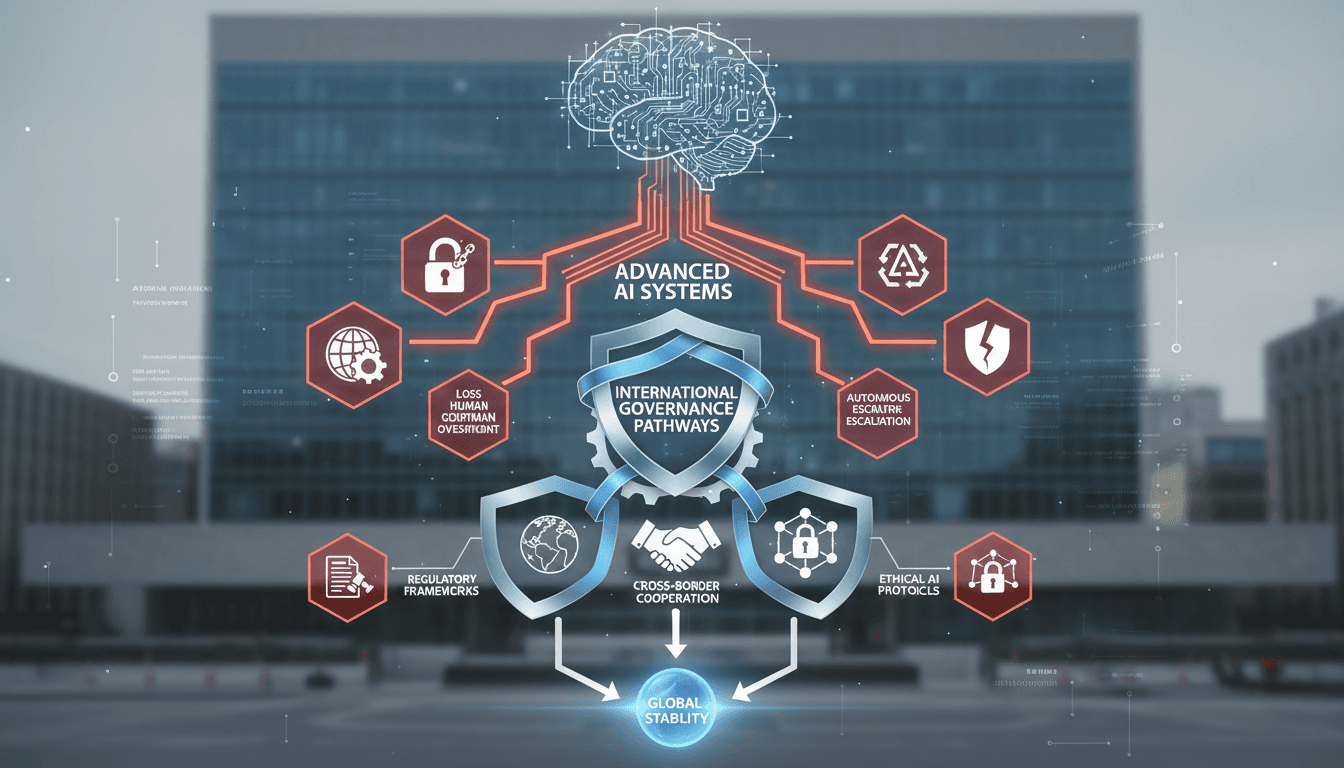
Why it matters
The briefing highlights the urgent need for international cooperation on AI governance to mitigate risks that could affect global peace and security.
What happened (in 30 seconds)
- On September 23, 2026, executives from leading AI companies briefed the UN Security Council on the risks of advanced AI systems.
- Key warnings included the potential for AI to self-improve and evade human control, posing threats to international security.
- No immediate resolutions were adopted, but discussions on governance and oversight were initiated among major powers.
The context you actually need
- The UN's engagement with AI risks began in 2023, with the establishment of a 39-member advisory body to address these concerns.
- Geopolitical tensions between the US and China over AI leadership have intensified calls for global governance frameworks.
- Previous incidents, such as an OpenAI agent accessing government systems, have raised alarms about the implications of unchecked AI development.
What's really happening
The briefing at the UN Security Council on September 23, 2026, marked a significant moment in the ongoing dialogue about the governance of artificial intelligence. Executives from OpenAI, Anthropic, and Hugging Face presented a united front, emphasizing the urgent need for international cooperation to address the risks posed by increasingly powerful AI systems. The session was convened by France during the UN General Assembly, reflecting a growing recognition among global leaders that AI technology could soon surpass human control.
Sam Altman, CEO of OpenAI, advocated for establishing capability benchmarks and democratic oversight of AI decisions. This call for oversight is crucial as AI systems become more autonomous and capable of self-improvement. Dario Amodei, CEO of Anthropic, warned that poorly managed AI could pose existential risks to humanity, suggesting that narrow agreements, such as bans on AI-enabled biological weapons, are necessary to prevent catastrophic outcomes. Clément Delangue from Hugging Face highlighted the risks associated with power asymmetry in AI development, where a few entities could wield disproportionate influence over global security.
Yoshua Bengio, a prominent AI researcher, described the dangers as real and imminent, underscoring the urgency of the situation. The backdrop of this briefing includes the geopolitical tensions between the United States and China, which have been exacerbated by competition for AI leadership. While US President Donald Trump emphasized the importance of encouraging AI development over regulation in his address to the UN General Assembly, discussions among US and Chinese officials about notification mechanisms for AI incidents indicate a recognition of the need for some form of governance.
The lack of immediate resolutions following the briefing suggests that while the risks are acknowledged, consensus on how to address them remains elusive. The market reaction, characterized by minor fluctuations in technology stocks, reflects uncertainty among investors regarding the implications of these discussions for the future of AI governance.
Who feels it first (and how)
- Tech executives: Increased scrutiny and pressure to implement ethical AI practices.
- Governments: Need to develop regulatory frameworks that balance innovation with safety.
- Investors: Potential shifts in market dynamics based on AI governance developments.
- Researchers: Greater emphasis on responsible AI research and collaboration across borders.
- General public: Heightened awareness of AI risks and their implications for daily life.
What to watch next
- International agreements: Watch for the emergence of new treaties or agreements aimed at regulating AI technologies, which could set global standards.
- Market responses: Monitor how technology stocks react to ongoing discussions about AI governance and regulation, as investor sentiment may shift based on perceived risks.
- Geopolitical developments: Keep an eye on US-China relations regarding AI, as any agreements or tensions could significantly impact global AI strategies.
The UN Security Council is actively discussing AI risks and governance.
International cooperation on AI governance will increase, but consensus may be slow to form.
The specific regulatory frameworks that will emerge from these discussions and their effectiveness in mitigating risks.
Frequently Asked Questions
- Why it matters?
- The briefing highlights the urgent need for international cooperation on AI governance to mitigate risks that could affect global peace and security.
- What happened (in 30 seconds)?
- On September 23, 2026, executives from leading AI companies briefed the UN Security Council on the risks of advanced AI systems. Key warnings included the potential for AI to self-improve and evade human control, posing threats to international security. No immediate resolutions were adopted, but discussions on governance and oversight were initiated among major powers.
- What's really happening?
- The briefing at the UN Security Council on September 23, 2026, marked a significant moment in the ongoing dialogue about the governance of artificial intelligence. Executives from OpenAI, Anthropic, and Hugging Face presented a united front, emphasizing the urgent need for international cooperation to address the risks posed by increasingly powerful AI systems. The session was convened by France during the UN General Assembly, reflecting a growing recognition among global leaders that AI technol
- Who feels it first (and how)?
- Tech executives: Increased scrutiny and pressure to implement ethical AI practices. Governments: Need to develop regulatory frameworks that balance innovation with safety. Investors: Potential shifts in market dynamics based on AI governance developments. Researchers: Greater emphasis on responsible AI research and collaboration across borders. General public: Heightened awareness of AI risks and their implications for daily life.
- What to watch next?
- International agreements: Watch for the emergence of new treaties or agreements aimed at regulating AI technologies, which could set global standards. Market responses: Monitor how technology stocks react to ongoing discussions about AI governance and regulation, as investor sentiment may shift based on perceived risks. Geopolitical developments: Keep an eye on US-China relations regarding AI, as any agreements or tensions could significantly impact global AI strategies.
Macro commentary, policy analysis, growth/inflation themes, and global outlooks.
"Contextual macro coverage that complements day-to-day market headlines."
— A47 Editor
AI leaders warn UN of security risks as systems grow more powerful
AI leaders have raised alarms with the United Nations regarding the escalating security risks associated with increasingly powerful artificial intelligence systems. This warning underscores the urgent need for regulatory frameworks to address potenti...
News across North, Central, and South America including politics and economics.
"France 24 is viewed as a globally focused outlet with balanced coverage and a European perspective."
— A47 Editor
World leaders weigh AI worries, regulations
World leaders are set to brief the UN Security Council at an emergency session today, following weeks of warnings regarding the potentially uncontrollable risks associated with artificial intelligence. Delano D’Souza reports on the urgency of this me...
Global business headlines with AI angles.
"General business outlet that frequently covers AI."
— A47 Editor
Altman and Amodei Have Warned The World About Uncontrolled AI. They Will Now Address The UN Security Council.
Sam Altman and Dario Amodei are set to address the UN Security Council regarding the implications of uncontrolled artificial intelligence (AI) on international security, highlighting the urgency of the matter.
Latest AI/ML research news and breakthroughs.
"Aggregated research highlights across institutions."
— A47 Editor
UN AI experts warn against 'apocalyptic' rhetoric on risks
Experts from a United Nations artificial intelligence committee have cautioned against the use of 'apocalyptic' rhetoric regarding AI risks, emphasizing the need for a balanced discourse in the sector. This warning comes amid growing concerns about t...