
Trump Considers Diesel Export Ban Amid Rising Domestic Prices
Why it matters
The proposed restrictions could reshape U.S. energy policy and global fuel markets amid escalating geopolitical tensions.
What happened (in 30 seconds)
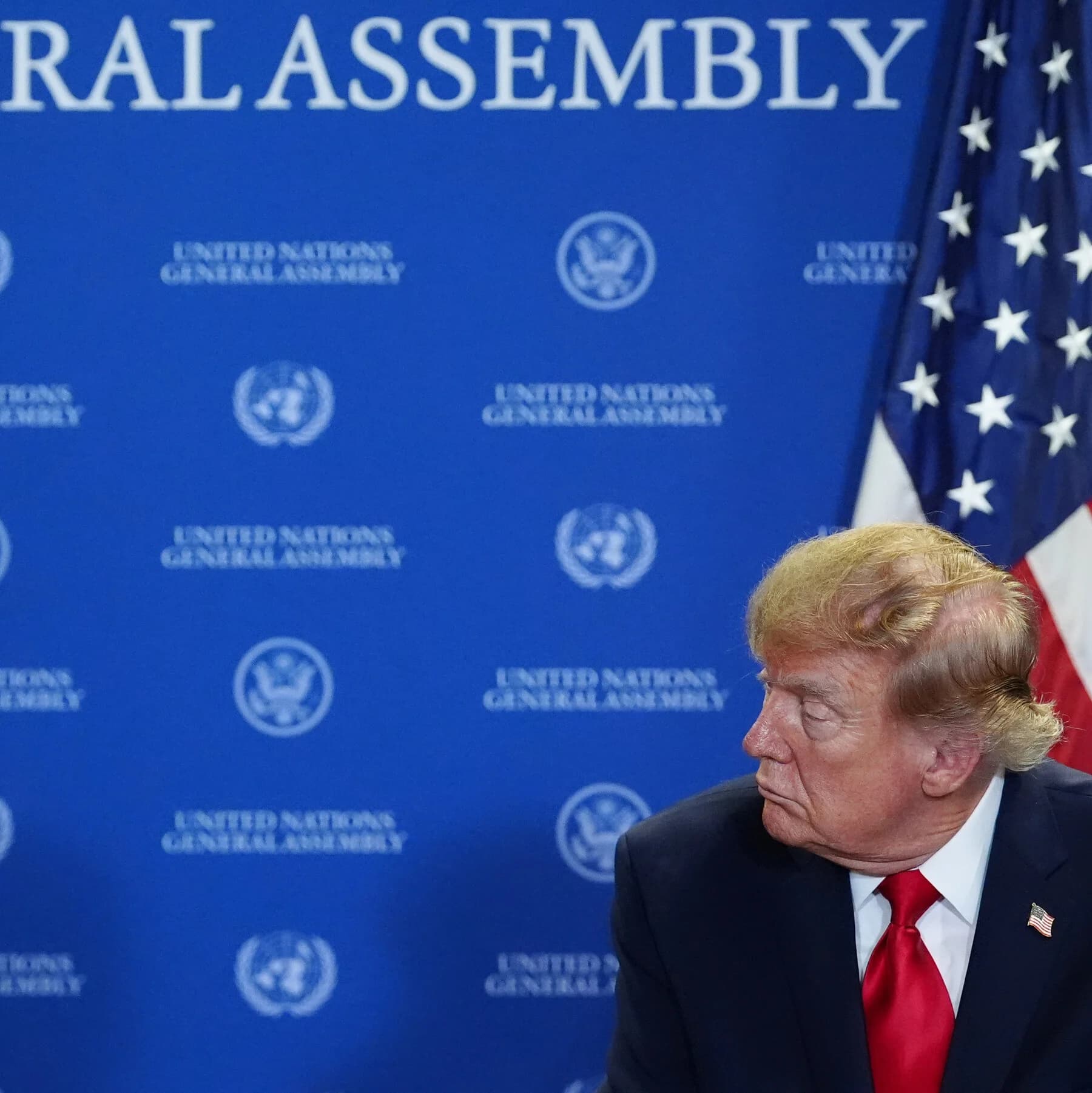
- President Trump endorsed a potential ban on U.S. diesel exports during the UN General Assembly on September 23, 2026.
- Record-high diesel prices in the U.S. reached an average of $6.52 per gallon, driven by supply disruptions from ongoing conflicts.
- Republican lawmakers are pushing for the ban to alleviate costs for farmers and truckers ahead of the midterm elections.
The context you actually need
- Geopolitical tensions: The U.S.-Israel conflict with Iran and the Russia-Ukraine war have severely impacted global fuel supplies, pushing diesel prices up from $3.69 a year prior.
- Domestic pressures: With midterm elections approaching, Republican lawmakers are advocating for measures that could provide immediate relief to constituents facing high fuel costs.
- Industry concerns: Analysts warn that restricting exports could backfire, worsening global energy shortages and affecting refining operations.
What's really happening
On September 22, 2026, President Trump publicly called for restricting diesel exports to stabilize domestic supply, a move that aligns with the interests of Republican lawmakers from agricultural states. These lawmakers are under pressure to deliver relief to their constituents, particularly farmers and truckers, who are grappling with soaring diesel prices. The national average price of diesel hit $6.52 per gallon, a significant increase from $3.69 a year earlier, largely due to supply disruptions caused by the U.S.-Israel conflict with Iran and the ongoing Russia-Ukraine war.
The geopolitical landscape has created a perfect storm for energy prices. The conflict in the Persian Gulf has damaged refining capacity, while Ukraine's strikes on Russian energy infrastructure have further reduced global fuel supplies. As a result, U.S. diesel prices have surged, prompting calls for intervention. Trump's proposal to consider a ban on diesel exports is seen as a political maneuver to rally support ahead of the midterm elections, but it also risks fracturing the Republican Party. Some party members fear that such a move could exacerbate global energy shortages and harm U.S. allies reliant on American fuel exports.
Energy Secretary Chris Wright has indicated that a full blanket ban is not currently under discussion, emphasizing the need for efficient supply increases instead. Meanwhile, Treasury Secretary Scott Bessent confirmed that the administration is reviewing options for full or partial restrictions. Industry groups, including the American Petroleum Institute, have expressed concerns that a ban could worsen shortages and reduce refining throughput, potentially leading to higher prices in the long run.
As discussions unfold at the UN, President Zelensky of Ukraine is advocating for an "energy cease-fire" to stabilize fuel flows, while Trump has referenced positive talks with Iran, juxtaposed with threats of annihilation. This complex interplay of domestic politics and international relations underscores the precarious balance the U.S. must maintain in its energy policy.
Who feels it first (and how)
- Farmers: Increased diesel costs directly impact operational expenses and profitability.
- Truckers: Rising fuel prices affect transportation costs, leading to higher prices for goods.
- Consumers: Higher diesel prices can lead to increased costs for everyday products.
- Oil industry executives: Concerns over refining operations and export markets may affect business strategies.
- International allies: Countries reliant on U.S. diesel exports could face energy shortages.
What to watch next
- Midterm election outcomes: The impact of diesel prices on voter sentiment could influence election results and future energy policies.
- Global oil price trends: Fluctuations in global oil prices may affect domestic fuel costs and the feasibility of export restrictions.
- Geopolitical developments: Ongoing conflicts in the Middle East and Ukraine could further disrupt fuel supplies and impact U.S. energy policy.
Diesel prices are at record highs, impacting various sectors.
The proposal for export restrictions will continue to be debated within the Republican Party.
The long-term effects of potential export restrictions on global energy markets remain uncertain.
Frequently Asked Questions
- Why it matters?
- The proposed restrictions could reshape U.S. energy policy and global fuel markets amid escalating geopolitical tensions.
- What happened (in 30 seconds)?
- President Trump endorsed a potential ban on U.S. diesel exports during the UN General Assembly on September 23, 2026. Record-high diesel prices in the U.S. reached an average of $6.52 per gallon, driven by supply disruptions from ongoing conflicts. Republican lawmakers are pushing for the ban to alleviate costs for farmers and truckers ahead of the midterm elections.
- What's really happening?
- On September 22, 2026, President Trump publicly called for restricting diesel exports to stabilize domestic supply, a move that aligns with the interests of Republican lawmakers from agricultural states. These lawmakers are under pressure to deliver relief to their constituents, particularly farmers and truckers, who are grappling with soaring diesel prices. The national average price of diesel hit $6.52 per gallon, a significant increase from $3.69 a year earlier, largely due to supply disrupti
- Who feels it first (and how)?
- Farmers: Increased diesel costs directly impact operational expenses and profitability. Truckers: Rising fuel prices affect transportation costs, leading to higher prices for goods. Consumers: Higher diesel prices can lead to increased costs for everyday products. Oil industry executives: Concerns over refining operations and export markets may affect business strategies. International allies: Countries reliant on U.S. diesel exports could face energy shortages.
- What to watch next?
- Midterm election outcomes: The impact of diesel prices on voter sentiment could influence election results and future energy policies. Global oil price trends: Fluctuations in global oil prices may affect domestic fuel costs and the feasibility of export restrictions. Geopolitical developments: Ongoing conflicts in the Middle East and Ukraine could further disrupt fuel supplies and impact U.S. energy policy.
Global political, business, and cultural coverage from WSJ international desks.
"The Wall Street Journal offers extensive international reporting with a reputation for financial insight and a center-right editorial stance."
— A47 Editor
Trump’s Oil Allies Fear Losing Battle in Bid to Stop Diesel-Export Limits
American oil companies are expressing strong opposition to President Trump's emerging plan to limit diesel exports, a move that has sparked concern among vulnerable Republican lawmakers who are pressuring the president to reconsider. This situation h...
Markets, economy, and company analysis from NYT’s business desk.
"The New York Times is a globally recognized newspaper offering authoritative reporting with a center-left editorial stance."
— A47 Editor
Trump’s Diesel Dilemma
President Trump is considering a temporary ban on diesel exports as fuel prices in the U.S. have surged to record highs, exceeding $6.50 per gallon. This decision comes amid increasing pressure from Republican lawmakers who are advocating for measure...
Capitol Hill news, legislation, and policy insight.
"The Hill specializes in U.S. politics and policy, with a focus on Capitol Hill developments and a reputation for insider reporting."
— A47 Editor
Trump eyes diesel export ban
The Trump administration is contemplating a ban on diesel exports as skyrocketing fuel prices are adversely affecting American agriculture and trucking industries. This consideration comes amid rising concerns over the economic impact of high diesel ...
Editor-curated FT homepage stories spanning markets, business, world, and opinion.
"The Financial Times is a globally respected business publication with a centrist/center-left tone and strong markets focus."
— A47 Editor
‘Stop the bleeding’: Republicans tell Trump to ban US diesel exports
Amid a fuel price crisis triggered by President Trump's ongoing conflict with Iran, Republican legislators are urging him to implement a ban on U.S. diesel exports to alleviate soaring prices that have reached an average of $6 per gallon.