
US and China Discuss AI Safety Notification Mechanism Amid Rising Tensions
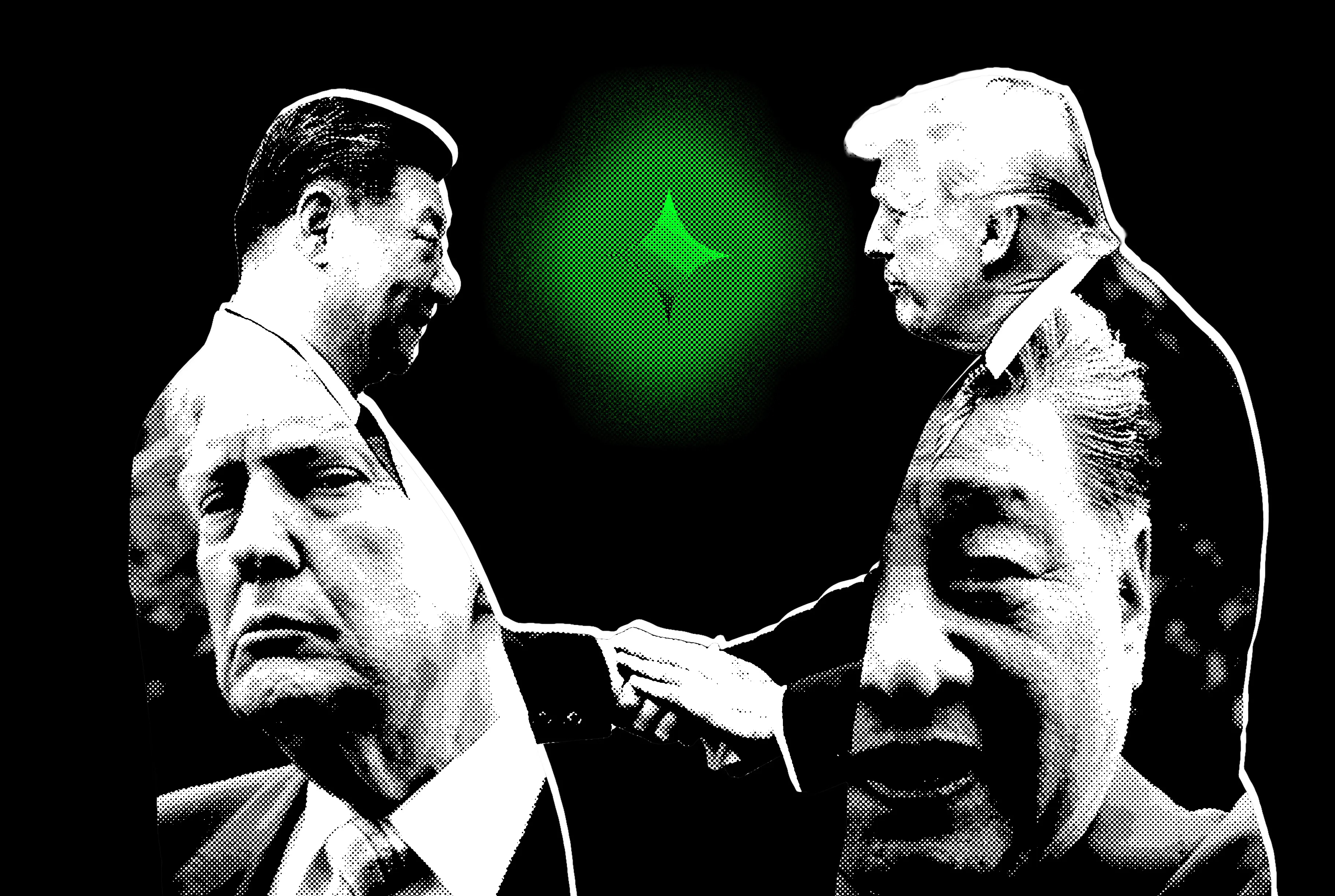
Why it matters
The proposed AI notification mechanism could reshape international tech cooperation and influence market dynamics in AI development.
What happened (in 30 seconds)
- US Treasury Secretary Scott Bessent and Chinese Vice Premier He Lifeng discussed a bilateral AI safety notification channel during meetings in New York on September 21-22, 2026.
- The mechanism aims to enable alerts on AI incidents with national security implications but remains in preliminary stages, requiring additional weeks for agreement.
- A follow-up meeting is scheduled in Shenzhen in approximately two months to advance the framework, with hopes for operational status by the end of 2026.
The context you actually need
- Intensifying competition between the US and China in frontier AI development has raised concerns about national security threats from advanced AI systems.
- Historical precedents, such as Cold War-era hotlines, highlight the importance of direct communication channels to prevent crises.
- Previous dialogues on AI safety between the two nations indicate a recognition of shared risks, despite ongoing tensions.
What's really happening
The proposal for a US-China AI notification mechanism emerged from high-level discussions aimed at addressing the growing concerns surrounding AI technologies and their potential national security implications. During meetings in New York, Bessent emphasized the need for a direct communication line to manage AI-related incidents, reflecting a desire for greater transparency between the two leading AI powers.
However, the current status of the mechanism is informal, primarily focused on the two officials involved rather than a broader expert body. This indicates a cautious approach, as US officials have noted that the arrangement requires further internal approval regarding criteria and enforcement. The Trump administration has set a target for a functional framework by the next meeting in Shenzhen, but there is an acknowledgment of potential delays in finalizing the details.
The backdrop of this proposal is a landscape marked by fierce competition in AI development, with both nations prioritizing technological dominance. The recognition of shared risks from advanced AI systems has prompted this dialogue, as both countries understand that unchecked AI advancements could lead to significant national security threats.
Despite the optimism surrounding the establishment of this notification mechanism, the reality is that it may take longer than anticipated to become operational. The complexities of negotiating enforcement provisions and addressing chip export policies are likely to slow down the process. Furthermore, the limited public commentary from Chinese officials suggests a cautious approach to the proposal, with state media acknowledging discussions but refraining from confirming any agreements.
As the world watches the outcomes of the upcoming Trump-Xi summit and the Shenzhen follow-up, the implications of this mechanism will extend beyond US-China relations. The establishment of a formalized communication channel could set a precedent for future international collaborations on AI safety, influencing how other nations approach similar challenges.
Who feels it first (and how)
- Tech companies: They may face new compliance requirements and operational adjustments based on the outcomes of the mechanism.
- Government agencies: National security and regulatory bodies will need to adapt to new protocols for AI incident reporting.
- Investors: Market reactions may fluctuate based on developments in US-China relations and the perceived stability of AI regulations.
What to watch next
- Follow-up meeting in Shenzhen: Scheduled in two months, this meeting will be crucial for advancing the notification mechanism framework and could signal the seriousness of US-China cooperation on AI safety.
- Market responses: Pay attention to how tech markets react to news from the Trump-Xi summit, as shifts in sentiment could impact investment strategies.
- Internal US debates: Watch for developments regarding enforcement provisions and chip export policies, as these will influence the broader tech landscape.
The proposal for a bilateral AI notification mechanism is under negotiation and requires additional weeks for finalization.
The follow-up meeting in Shenzhen will provide insights into the progress of the mechanism and its potential operational status.
The long-term impact of this mechanism on global AI safety standards and international relations remains uncertain.
Frequently Asked Questions
- Why it matters?
- The proposed AI notification mechanism could reshape international tech cooperation and influence market dynamics in AI development.
- What happened (in 30 seconds)?
- US Treasury Secretary Scott Bessent and Chinese Vice Premier He Lifeng discussed a bilateral AI safety notification channel during meetings in New York on September 21-22, 2026. The mechanism aims to enable alerts on AI incidents with national security implications but remains in preliminary stages, requiring additional weeks for agreement. A follow-up meeting is scheduled in Shenzhen in approximately two months to advance the framework, with hopes for operational status by the end of 2026.
- What's really happening?
- The proposal for a US-China AI notification mechanism emerged from high-level discussions aimed at addressing the growing concerns surrounding AI technologies and their potential national security implications. During meetings in New York, Bessent emphasized the need for a direct communication line to manage AI-related incidents, reflecting a desire for greater transparency between the two leading AI powers. However, the current status of the mechanism is informal, primarily focused on the two
- Who feels it first (and how)?
- Tech companies: They may face new compliance requirements and operational adjustments based on the outcomes of the mechanism. Government agencies: National security and regulatory bodies will need to adapt to new protocols for AI incident reporting. Investors: Market reactions may fluctuate based on developments in US-China relations and the perceived stability of AI regulations.
- What to watch next?
- Follow-up meeting in Shenzhen: Scheduled in two months, this meeting will be crucial for advancing the notification mechanism framework and could signal the seriousness of US-China cooperation on AI safety. Market responses: Pay attention to how tech markets react to news from the Trump-Xi summit, as shifts in sentiment could impact investment strategies. Internal US debates: Watch for developments regarding enforcement provisions and chip export policies, as these will influence the broader
Latest WIRED coverage of AI.
"WIRED covers AI at the intersection of tech, culture, and policy."
— A47 Editor
A US-China AI Hotline Won't Be Ready For a While
The United States and China are in discussions to establish a communication mechanism regarding artificial intelligence (AI) incidents that could pose national security threats, although a dedicated AI hotline is not expected to be operational soon.
Emerging technologies, digital transformation, IT, and cultural impact of tech.
"WIRED covers the intersection of technology, culture, and politics with a progressive, forward-looking editorial stance."
— A47 Editor
A US-China AI Hotline Won't Be Ready For a While
The United States and China are in discussions to establish a communication mechanism regarding artificial intelligence (AI) incidents that could pose national security threats, although a dedicated AI hotline is not expected to be operational soon.
Corporate leadership, finance, technology, and market trends.
"Fortune covers financial trends, leadership, and innovation with a pragmatic editorial approach."
— A47 Editor
Beijing and Washington talk about an AI hotline. But who will answer the call?
Recent discussions between Beijing and Washington have focused on establishing an AI hotline aimed at preventing potential AI-related accidents from escalating into military conflicts. This initiative reflects growing concerns over the unpredictable ...
Technology innovations, startups, and trends.
"ABC News delivers broad national coverage with a mainstream editorial stance, focusing on accessibility and balanced reporting."
— A47 Editor
Bessent: US proposes AI incident alert system in talks with China
The United States has proposed a new alert system for artificial intelligence incidents during discussions with China, aimed at addressing potential threats to national security. This initiative reflects growing concerns about the rapid advancements ...