
Trump Administration Reinstates Lower Fuel Economy Standards Amid Rising Gas Prices
Why it matters
This regulatory shift impacts vehicle affordability and fuel consumption, influencing both consumer choices and environmental outcomes.
What happened (in 30 seconds)
- The U.S. Department of Transportation finalized the Freedom Means Affordable Cars rule on September 28, 2026, resetting fuel economy standards.
- The new standards lower the projected fleet average to 34.9 mpg by 2031, down from the previous target of 50.4 mpg.
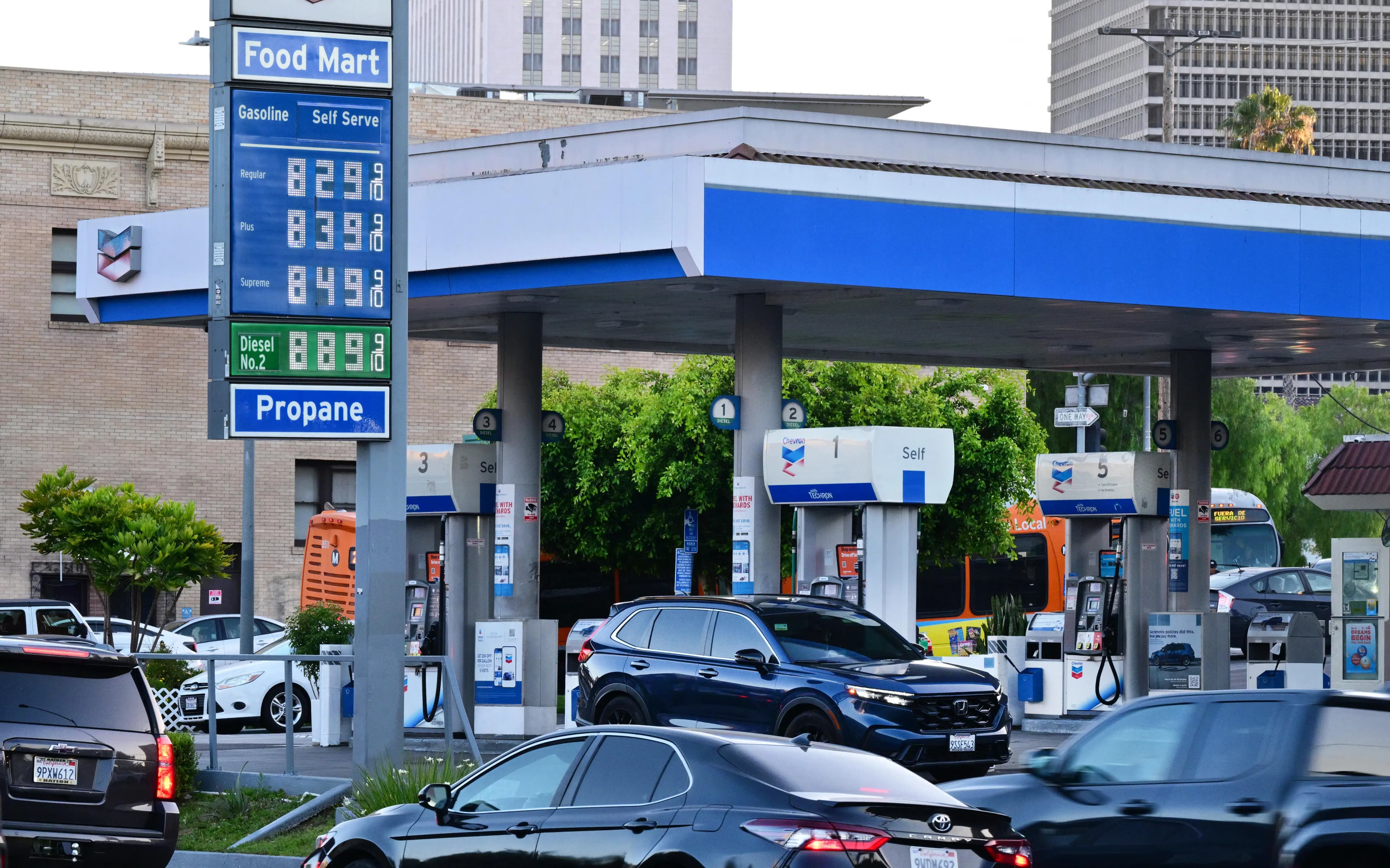
- This change comes amid rising fuel prices, averaging $4.48 per gallon, driven by geopolitical tensions.
The context you actually need
- The Biden administration had set stricter CAFE standards aimed at increasing fuel efficiency and promoting electric vehicle (EV) adoption.
- The Trump administration's reversal is framed as a move to reduce vehicle costs, citing previous standards as unlawful overreach.
- Fuel prices surged over 50% in seven months due to the U.S.-Israeli conflict with Iran and disruptions in the Strait of Hormuz.
What's really happening
On September 28, 2026, the U.S. Department of Transportation (DOT) released the Freedom Means Affordable Cars rule, formally known as SAFE Vehicles Rule III. This rule resets the corporate average fuel economy (CAFE) standards for model years 2022 through 2031, projecting a fleet average of 34.9 miles per gallon (mpg) by 2031. This is a significant reduction from the previous target of 50.4 mpg set by the Biden administration. The rule also ends CAFE credit trading after 2028 and reclassifies vehicles to favor passenger cars over light trucks.
The administration claims that this regulatory change will lead to an average vehicle price reduction of $1,300 and generate $138 billion in savings over five years. However, critics, including environmental organizations like the Natural Resources Defense Council (NRDC), argue that this will lead to increased fuel expenditures and emissions. They project that the new standards will increase U.S. gasoline consumption by 4.6% through 2050 compared to prior standards.
The backdrop of this policy shift is critical. Fuel prices in the U.S. have surged due to geopolitical tensions, particularly the conflict involving Iran and the closure of the Strait of Hormuz. This has pushed average gasoline costs to $4.48 per gallon, a significant increase that has affected consumer behavior and economic sentiment. The administration's decision to relax fuel economy standards is positioned as a response to these rising costs, aiming to make vehicles more affordable for consumers.
However, the long-term implications of this policy are complex. While consumers may benefit from lower upfront vehicle costs, they may face higher operating costs due to increased fuel consumption. The shift could also lead automakers to focus on less efficient models, potentially stalling advancements in fuel efficiency and EV adoption. As the market adjusts, the balance between affordability and sustainability will be a critical area to watch.
Who feels it first (and how)
- Consumers: Drivers will see lower vehicle prices but may incur higher fuel costs over time.
- Automakers: Manufacturers gain flexibility in production but may shift towards less efficient models.
- Environmental groups: Organizations advocating for sustainability will face challenges in promoting fuel efficiency and reducing emissions.
- Economists: Analysts will monitor the impact on gasoline consumption and overall economic sentiment.
What to watch next
- Fuel price trends: Continued fluctuations in fuel prices will impact consumer behavior and economic sentiment.
- Automaker responses: Watch for shifts in vehicle production strategies and the introduction of new models.
- Legislative actions: Future regulatory changes could further alter CAFE standards and fuel economy policies.
The new standards set a fleet average of 34.9 mpg by 2031.
Increased gasoline consumption and higher long-term fuel costs for consumers.
The full impact on vehicle production strategies and environmental outcomes.
Frequently Asked Questions
- Why it matters?
- This regulatory shift impacts vehicle affordability and fuel consumption, influencing both consumer choices and environmental outcomes.
- What happened (in 30 seconds)?
- The U.S. Department of Transportation finalized the Freedom Means Affordable Cars rule on September 28, 2026, resetting fuel economy standards. The new standards lower the projected fleet average to 34.9 mpg by 2031, down from the previous target of 50.4 mpg. This change comes amid rising fuel prices, averaging $4.48 per gallon, driven by geopolitical tensions.
- What's really happening?
- On September 28, 2026, the U.S. Department of Transportation (DOT) released the Freedom Means Affordable Cars rule, formally known as SAFE Vehicles Rule III. This rule resets the corporate average fuel economy (CAFE) standards for model years 2022 through 2031, projecting a fleet average of 34.9 miles per gallon (mpg) by 2031. This is a significant reduction from the previous target of 50.4 mpg set by the Biden administration. The rule also ends CAFE credit trading after 2028 and reclassifies ve
- Who feels it first (and how)?
- Consumers: Drivers will see lower vehicle prices but may incur higher fuel costs over time. Automakers: Manufacturers gain flexibility in production but may shift towards less efficient models. Environmental groups: Organizations advocating for sustainability will face challenges in promoting fuel efficiency and reducing emissions. Economists: Analysts will monitor the impact on gasoline consumption and overall economic sentiment.
- What to watch next?
- Fuel price trends: Continued fluctuations in fuel prices will impact consumer behavior and economic sentiment. Automaker responses: Watch for shifts in vehicle production strategies and the introduction of new models. Legislative actions: Future regulatory changes could further alter CAFE standards and fuel economy policies.
Latest tech news, product reviews, and analysis for consumers and professionals.
"CNET delivers accessible and detailed technology reporting, including trusted product reviews and how-to guides."
— A47 Editor
US Department of Transportation Makes Way for Less Efficient Cars as Fuel Prices Soar
The US Department of Transportation has finalized a rule under the Trump administration that weakens fuel efficiency standards for new vehicles, potentially saving consumers an average of $1,300 per vehicle. However, this move raises concerns as fuel...
Capitol Hill news, legislation, and policy insight.
"The Hill specializes in U.S. politics and policy, with a focus on Capitol Hill developments and a reputation for insider reporting."
— A47 Editor
Trump loosens vehicle mileage standards
The Trump administration has rolled back vehicle mileage standards that mandated automakers to enhance fuel efficiency for cars and light trucks, reversing regulations set during the Biden era. This change is part of a broader strategy to reshape env...
In-depth reporting on tech, policy, and science including AI.
"Respected analysis for technically savvy readers, including AI topics."
— A47 Editor
Trump cuts fuel economy standards back to 2014 levels
The Trump administration has rolled back fuel economy standards, reducing the Corporate Average Fuel Economy (CAFE) from 40 miles per gallon to 35 mpg, reverting to levels last seen in 2014. This decision is part of a broader trend of deregulation in...
In-depth coverage of hardware, software, science, and policy.
"Ars Technica provides expert technology news, hardware reviews, and analysis for a technically savvy audience."
— A47 Editor
Trump cuts fuel economy standards back to 2014 levels
The Trump administration has rolled back fuel economy standards, reducing the Corporate Average Fuel Economy (CAFE) from 40 miles per gallon to 35 mpg, reverting to levels last seen in 2014. This decision is part of a broader trend of deregulation in...
Consumer tech and culture with frequent AI coverage.
"Influential tech outlet covering AI products and policy."
— A47 Editor
Trump finalizes rule to make cars less fuel efficient
The US Department of Transportation has finalized a rule that weakens fuel efficiency standards, marking a significant deregulatory action under the Trump Administration. This decision effectively dismantles Biden-era standards that aimed for an aver...
Tech news, reviews, and analysis of consumer electronics, science, art, and culture.
"The Verge is a technology-focused media outlet known for in-depth reporting, product reviews, and coverage of the intersection between technology and culture."
— A47 Editor
Trump finalizes rule to make cars less fuel efficient
The US Department of Transportation has finalized a rule that weakens fuel efficiency standards, marking a significant deregulatory action under the Trump Administration. This decision effectively dismantles Biden-era standards that aimed for an aver...
Scientific research, space, environment, and health coverage.
"The New York Times is a globally recognized newspaper offering authoritative reporting with a center-left editorial stance."
— A47 Editor
Trump Sharply Scales Back Fuel Economy Rules for New Cars
Former President Donald Trump has significantly reduced fuel economy standards for new cars, marking a pivotal moment in his administration's efforts to reverse policies designed to accelerate the transition to electric vehicles. Analysts suggest tha...
Science and technology stories including AI.
"Longstanding science magazine with thoughtful AI coverage."
— A47 Editor
Trump announces relaxed fuel economy standards
Former President Donald Trump has announced a rollback of fuel economy standards, reducing the Corporate Average Fuel Economy (CAFE) from 40 miles per gallon to 35 mpg, reverting to levels last seen in 2014. This decision has drawn criticism from env...
Scientific research, technology, environment, and society.
"Scientific American is one of the oldest and most authoritative science magazines, known for deep dives into science, technology, and society."
— A47 Editor
Trump announces relaxed fuel economy standards
Former President Donald Trump has announced a rollback of fuel economy standards, reducing the Corporate Average Fuel Economy (CAFE) from 40 miles per gallon to 35 mpg, reverting to levels last seen in 2014. This decision has drawn criticism from env...
U.S. business news, corporate developments, and economy.
"The Wall Street Journal is respected for deep financial and economic reporting with a center-right editorial perspective."
— A47 Editor
Trump Administration Ends Tougher Fuel-Economy Rules
The Trump Administration has announced the termination of stricter fuel-economy regulations, reducing the required average fuel efficiency from 50.4 miles per gallon to 34.5 miles per gallon by the model year 2031. This decision has been reported by ...
Top international stories selected by The Guardian editors.
"The Guardian is known for its progressive editorial stance and in-depth analysis."
— A47 Editor
Trump administration to slash clean car rules aimed at cutting climate emissions
The Trump administration has announced a significant rollback of clean car rules designed to reduce emissions from gasoline-powered vehicles, impacting regulations for model years 2022 through 2031. This decision has drawn sharp criticism from enviro...
News from the United States including domestic politics, society, and culture.
"The Guardian is known for its progressive editorial stance and in-depth analysis, often advocating for social justice, environmental issues, and liberal values."
— A47 Editor
Trump administration to slash clean car rules aimed at cutting climate emissions
The Trump administration has announced a significant rollback of clean car rules designed to reduce emissions from gasoline-powered vehicles, impacting regulations for model years 2022 through 2031. This decision has drawn sharp criticism from enviro...
Major U.S. developments and regional news.
"ABC News delivers broad national coverage with a mainstream editorial stance, focusing on accessibility and balanced reporting."
— A47 Editor
Trump administration set to roll out lower fuel economy standards for cars, light trucks
The Trump administration is set to announce new fuel economy standards that will relax existing regulatory requirements for automakers regarding pollution control from gasoline-powered cars and light trucks. This decision is expected to impact vehicl...