
Tokyo Court Recognizes Human Voices as Protected Under Publicity Rights in AI Case
Why it matters
This ruling sets a precedent for protecting individual voices, impacting content creators and AI developers worldwide.
What happened (in 30 seconds)
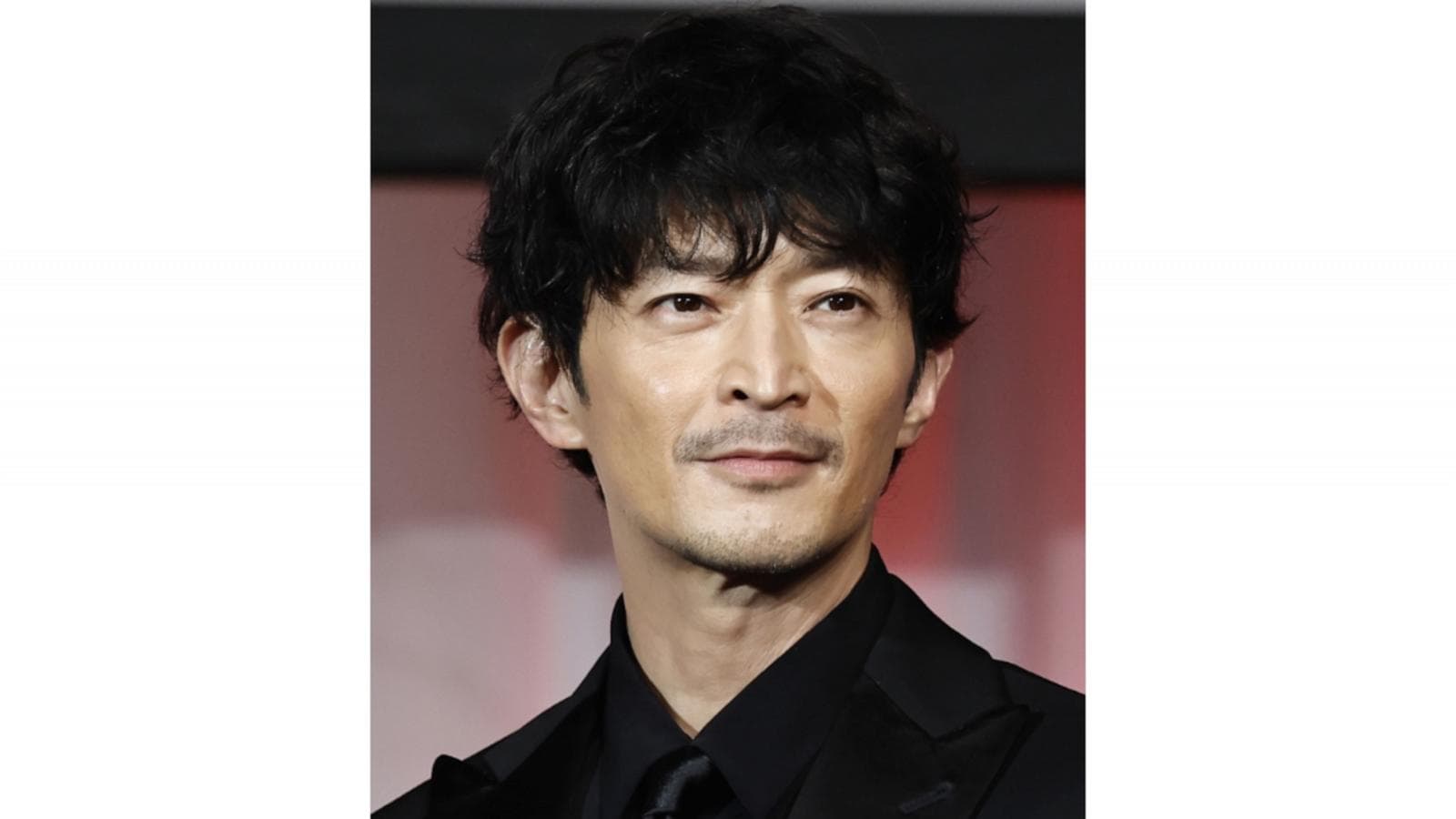
- On September 30, 2026, the Tokyo District Court recognized human voices as protected under publicity rights in a case involving voice actor Kenjiro Tsuda.
- Tsuda sued an anonymous TikTok account for using an AI-generated voice that mimicked his in over 180 videos, generating significant revenue.
- The court ruled that unauthorized commercial use of a voice infringes publicity rights but denied Tsuda's request to delete the videos since the account was already closed.
The context you actually need
- Voice actors in Japan have increasingly faced threats from AI tools that replicate their voices without consent, leading to concerns about their livelihoods.
- The Justice Ministry issued guidelines in August 2026 indicating that monetized use of similar voices could violate rights, reflecting a growing awareness of the issue.
- International cases, such as those involving OpenAI and actors like Scarlett Johansson, highlight the global tensions surrounding AI voice cloning and its implications for personal rights.
What's really happening
The Tokyo District Court's ruling marks a significant shift in how voice replication technologies are viewed legally. By recognizing human voices as protected under publicity rights, the court has established a legal framework that acknowledges the unique value of an individual's voice. This decision is particularly relevant in an era where generative AI tools can easily replicate voices, raising ethical and legal questions about consent and ownership.
Kenjiro Tsuda's case illustrates the growing concerns among voice actors in Japan. With the rise of platforms like TikTok, where content can go viral and generate revenue, the unauthorized use of a voice can lead to significant financial implications for the original voice actor. Tsuda's lawsuit was prompted by an anonymous account that posted 188 videos using an AI-generated voice that closely resembled his own, attracting over 200,000 subscribers. The court's ruling that such use infringes on publicity rights is a clear message to content creators and AI developers: unauthorized commercial exploitation of a voice is not permissible.
The ruling also reflects a broader trend in Japan, where the legal landscape is slowly adapting to the challenges posed by AI technologies. The Justice Ministry's interpretive guidelines issued earlier in 2026 indicated that monetized use of similar voices could violate rights, signaling a shift towards more robust protections for individuals in the digital age. This ruling could serve as a deterrent against unauthorized AI voice use, encouraging platforms and developers to exercise caution in their practices.
However, the court's dismissal of Tsuda's request to delete the videos highlights a gap in the legal framework. The account had already been closed, which raises questions about the effectiveness of existing laws in addressing the rapid pace of digital content creation. As AI technologies continue to evolve, the need for clear regulations that protect individual rights while fostering innovation becomes increasingly critical.
The implications of this ruling extend beyond Japan. As global platforms grapple with the challenges of AI-generated content, this case may influence international standards for voice cloning and content moderation. The precedent set by the Tokyo District Court could encourage similar legal actions in other jurisdictions, prompting a reevaluation of how voice rights are protected worldwide.
Who feels it first (and how)
- Voice actors: Increased protection against unauthorized use of their voices could enhance job security and income stability.
- Content creators: Those using AI-generated voices may need to navigate new legal landscapes, impacting their content strategies.
- AI developers: Companies creating voice replication technologies may face stricter regulations and increased scrutiny regarding their products.
What to watch next
- Legislative changes: Monitor for potential new laws or regulations in Japan and other countries addressing AI voice rights.
- Platform policies: Watch how social media platforms like TikTok adapt their content moderation policies in response to this ruling.
- Legal precedents: Keep an eye on similar cases globally that could further define the legal landscape for AI-generated content.
The Tokyo District Court ruling establishes a precedent for voice publicity rights in Japan.
Other jurisdictions may follow suit, leading to more robust protections for voice actors worldwide.
The long-term impact on AI voice technology development and its regulation remains to be seen.
Frequently Asked Questions
- Why it matters?
- This ruling sets a precedent for protecting individual voices, impacting content creators and AI developers worldwide.
- What happened (in 30 seconds)?
- On September 30, 2026, the Tokyo District Court recognized human voices as protected under publicity rights in a case involving voice actor Kenjiro Tsuda. Tsuda sued an anonymous TikTok account for using an AI-generated voice that mimicked his in over 180 videos, generating significant revenue. The court ruled that unauthorized commercial use of a voice infringes publicity rights but denied Tsuda's request to delete the videos since the account was already closed.
- What's really happening?
- The Tokyo District Court's ruling marks a significant shift in how voice replication technologies are viewed legally. By recognizing human voices as protected under publicity rights, the court has established a legal framework that acknowledges the unique value of an individual's voice. This decision is particularly relevant in an era where generative AI tools can easily replicate voices, raising ethical and legal questions about consent and ownership. Kenjiro Tsuda's case illustrates the growi
- Who feels it first (and how)?
- Voice actors: Increased protection against unauthorized use of their voices could enhance job security and income stability. Content creators: Those using AI-generated voices may need to navigate new legal landscapes, impacting their content strategies. AI developers: Companies creating voice replication technologies may face stricter regulations and increased scrutiny regarding their products.
- What to watch next?
- Legislative changes: Monitor for potential new laws or regulations in Japan and other countries addressing AI voice rights. Platform policies: Watch how social media platforms like TikTok adapt their content moderation policies in response to this ruling. Legal precedents: Keep an eye on similar cases globally that could further define the legal landscape for AI-generated content.
News and guidance for IT pros on AI adoption.
"Enterprise-focused tips, explainers, and news for professionals."
— A47 Editor
Japan Court Recognizes Voice Protection in TikTok AI Dispute
A Tokyo court has recognized the legal protection of voice rights in a case involving TikTok, where actor Kenjiro Tsuda's voice was cloned for AI-generated content without his consent. This ruling establishes that synthetic voices are entitled to sim...
Consumer technology news with AI coverage.
"Gadget and tech site reporting on AI in products."
— A47 Editor
Japanese court rules human voices are protected in landmark AI case
A Japanese court has ruled that human voices are protected under copyright law in a significant case involving artificial intelligence. This landmark decision emphasizes the legal recognition of human contributions in the face of advancing AI technol...
Covers consumer technology, electronics, gadgets, and product reviews.
"Engadget is a trusted source for gadget reviews and consumer tech news, known for its hands-on analysis and industry coverage."
— A47 Editor
Japanese court rules human voices are protected in landmark AI case
A Japanese court has ruled that human voices are protected under copyright law in a significant case involving artificial intelligence. This landmark decision emphasizes the legal recognition of human contributions in the face of advancing AI technol...
Technology and innovation coverage, including consumer tech and digital transformation stories.
"Emirates 24|7 technology coverage often highlights practical tech developments with relevance to Gulf readers and businesses."
— A47 Editor
AI clone case: Tokyo court grants legal protection to human voices
A Tokyo court has granted legal protection to the human voice in a landmark ruling, responding to a lawsuit filed by popular anime voice actor Kenjiro Tsuda against TikTok for the unauthorized use of an AI clone of his voice. The court's decision mar...
Technology innovations, startups, and trends.
"ABC News delivers broad national coverage with a mainstream editorial stance, focusing on accessibility and balanced reporting."
— A47 Editor
Tokyo court grants legal protection to human voices in AI clone case
A Tokyo court has granted legal protection for human voices in a significant ruling related to a popular Japanese anime voice actor, marking a pivotal moment in the intersection of technology and intellectual property rights. This decision underscore...