
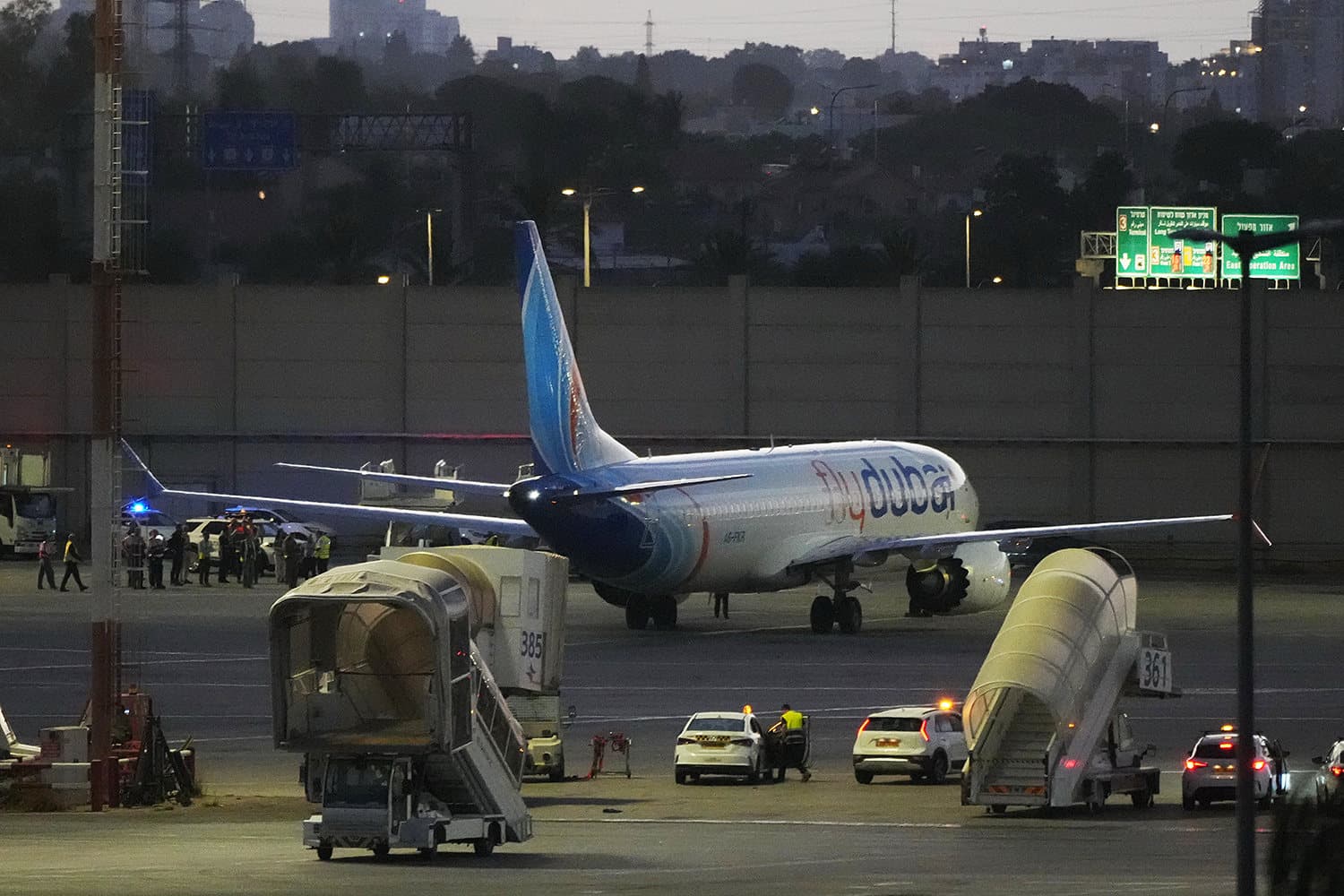
Flydubai Co-Pilot Assault on Captain Classified as Attempted Terrorist Act During Flight to Tel Aviv
Why it matters
This incident raises critical questions about aviation security and crew vetting processes, particularly for airlines operating in politically sensitive regions.
What happened (in 30 seconds)
- On September 30, 2026, Flydubai co-pilot Hamam al-Hammami attacked Captain Smit Machchhar mid-flight, classifying the act as attempted terrorism.
- The aircraft, carrying 174 passengers, experienced a rapid descent of approximately 14,000 feet before being stabilized by crew and passengers.
- UAE authorities are leading the investigation, with the suspect in custody and the captain recovering in a hospital.
The context you actually need
- Regional tensions involving Israel have heightened security concerns, especially with flights carrying predominantly Israeli passengers.
- The co-pilot, previously banned from flying in Oman due to radicalization concerns, was nonetheless employed by Flydubai, raising questions about hiring practices.
- No verified links to organized terrorist groups have been established, but the incident has prompted a reevaluation of security measures across the aviation sector.
What's really happening
The attempted attack on Flydubai flight FZ1073 is a stark reminder of the vulnerabilities present in modern aviation, particularly in regions marked by geopolitical tensions. The incident unfolded approximately two hours into the flight, when co-pilot Hamam al-Hammami used a cockpit crash axe to assault Captain Smit Machchhar, injuring him severely and attempting to take control of the aircraft. This led to a rapid descent of around 14,000 feet, a perilous situation that could have resulted in catastrophic consequences.
The swift response from crew members and passengers, including a reserve pilot who managed to subdue the attacker, highlights the importance of training and preparedness in crisis situations. However, the fact that a pilot with prior radicalization concerns was allowed to operate a commercial flight raises significant questions about the vetting processes employed by airlines. The UAE's classification of the incident as an attempted terrorist act underscores the seriousness with which authorities are treating this event, and it may lead to stricter regulations and oversight in the aviation industry.
The implications of this incident extend beyond immediate security concerns. Airlines operating in politically sensitive regions may face increased scrutiny from both regulators and the public, potentially leading to higher operational costs. Enhanced security measures, while necessary, could result in longer wait times at airports and increased ticket prices, affecting consumer behavior and travel patterns.
Moreover, the incident could have ripple effects on international relations, particularly between the UAE and Israel, as well as within the broader Middle Eastern context. The UAE's proactive stance in addressing the situation may be viewed positively, but it also places pressure on the nation to ensure that such incidents do not recur. As investigations continue, the aviation sector will be closely monitored for changes in policy and practice aimed at preventing similar threats in the future.
Who feels it first (and how)
- Airline passengers: Increased security measures may lead to longer wait times and heightened anxiety during travel.
- Airline staff: Crew members may face more rigorous training and scrutiny, impacting their work environment.
- Regulatory bodies: Aviation authorities will likely implement stricter regulations, affecting operational costs for airlines.
- Travel industry: Increased operational costs could lead to higher ticket prices, impacting consumer travel decisions.
What to watch next
- Investigation outcomes: The findings from the ongoing investigation will likely influence future security protocols and hiring practices in the aviation sector.
- Regulatory changes: Watch for potential new regulations from aviation authorities aimed at enhancing cockpit security and crew vetting processes.
- Public response: Consumer sentiment towards air travel may shift, impacting demand and pricing strategies for airlines.
The incident involved an assault classified as an attempted terrorist act during a commercial flight.
Stricter security measures and crew vetting processes will be implemented across airlines operating in sensitive regions.
The long-term impact on international relations and consumer behavior in the travel industry remains to be seen.
Frequently Asked Questions
- Why it matters?
- This incident raises critical questions about aviation security and crew vetting processes, particularly for airlines operating in politically sensitive regions.
- What happened (in 30 seconds)?
- On September 30, 2026, Flydubai co-pilot Hamam al-Hammami attacked Captain Smit Machchhar mid-flight, classifying the act as attempted terrorism. The aircraft, carrying 174 passengers, experienced a rapid descent of approximately 14,000 feet before being stabilized by crew and passengers. UAE authorities are leading the investigation, with the suspect in custody and the captain recovering in a hospital.
- What's really happening?
- The attempted attack on Flydubai flight FZ1073 is a stark reminder of the vulnerabilities present in modern aviation, particularly in regions marked by geopolitical tensions. The incident unfolded approximately two hours into the flight, when co-pilot Hamam al-Hammami used a cockpit crash axe to assault Captain Smit Machchhar, injuring him severely and attempting to take control of the aircraft. This led to a rapid descent of around 14,000 feet, a perilous situation that could have resulted in c
- Who feels it first (and how)?
- Airline passengers: Increased security measures may lead to longer wait times and heightened anxiety during travel. Airline staff: Crew members may face more rigorous training and scrutiny, impacting their work environment. Regulatory bodies: Aviation authorities will likely implement stricter regulations, affecting operational costs for airlines. Travel industry: Increased operational costs could lead to higher ticket prices, impacting consumer travel decisions.
- What to watch next?
- Investigation outcomes: The findings from the ongoing investigation will likely influence future security protocols and hiring practices in the aviation sector. Regulatory changes: Watch for potential new regulations from aviation authorities aimed at enhancing cockpit security and crew vetting processes. Public response: Consumer sentiment towards air travel may shift, impacting demand and pricing strategies for airlines.
National headlines across the United States including breaking stories and societal issues.
"NBC News is a mainstream media outlet known for comprehensive national and international news coverage with a centrist to slightly left-leaning editorial tone."
— A47 Editor
Flydubai pilot attacked captain with cockpit’s crash ax in attempted terrorist act, UAE official says
A Flydubai pilot attacked the flight captain with a crash ax in an attempted terrorist act, as confirmed by an official from the United Arab Emirates. The incident raised alarms regarding aviation security and the safety of crew members aboard commer...
Comprehensive coverage of global events, politics, and international issues.
"NBC News is a mainstream outlet known for comprehensive national and international coverage with a centrist to slightly left-leaning editorial tone."
— A47 Editor
Flydubai pilot attacked captain with cockpit’s crash ax in attempted terrorist act, UAE official says
A Flydubai pilot attacked the flight captain with a crash ax in an attempted terrorist act, as confirmed by an official from the United Arab Emirates. The incident raised alarms regarding aviation security and the safety of crew members aboard commer...
Global news coverage with extensive reporting on Middle Eastern conflicts and geopolitics.
"Al Jazeera is a Qatar-based broadcaster known for wide regional coverage and alternative perspectives."
— A47 Editor
Flydubai pilot recounts cockpit stabbing in call with Indian PM Modi
Captain Smit Machchhar of Flydubai was attacked by his co-pilot during a flight from Dubai to Tel Aviv, resulting in severe injuries and an emergency landing in Saudi Arabia. The incident has raised significant concerns about cockpit security and the...
Comprehensive coverage of Middle Eastern and global issues.
"Al Jazeera is a prominent voice from the Global South, especially the Middle East, with an emphasis on underreported stories."
— A47 Editor
Flydubai pilot recounts cockpit stabbing in call with Indian PM Modi
Captain Smit Machchhar of Flydubai was attacked by his co-pilot during a flight from Dubai to Tel Aviv, resulting in severe injuries and an emergency landing in Saudi Arabia. The incident has raised significant concerns about cockpit security and the...
Global business headlines with AI angles.
"General business outlet that frequently covers AI."
— A47 Editor
A Senior UAE Official Is Now Also Saying The Attempted Hijacking Of The Flydubai Plane Was An 'Act Of Terrorism'
A senior UAE official, Anwar Gargash, has labeled the attempted hijacking of a Flydubai plane as an 'act of terrorism,' emphasizing the ongoing need for vigilance against extremism. This statement follows heightened concerns regarding aviation securi...
Global political, business, and cultural coverage from WSJ international desks.
"The Wall Street Journal offers extensive international reporting with a reputation for financial insight and a center-right editorial stance."
— A47 Editor
U.A.E., Netanyahu Say FlyDubai Attack Was Terrorism
A FlyDubai flight from Dubai to Tel Aviv was diverted to Saudi Arabia after a co-pilot allegedly stabbed the captain in an apparent attempt to crash the aircraft. This incident, which occurred mid-flight, has been classified as terrorism by both the ...
International coverage of politics, culture, and current affairs.
"BBC News is widely regarded as a reputable international news organization, known for its impartial tone and public service mandate."
— A47 Editor
Netanyahu says Flydubai attacker had 'Islamist radical indoctrination'
A Flydubai flight from Dubai to Tel Aviv was diverted to Saudi Arabia after a co-pilot allegedly stabbed the captain in an apparent attempt to crash the aircraft. Israeli Prime Minister Benjamin Netanyahu stated that the attacker had undergone 'Islam...
Major U.S. developments and regional news.
"ABC News delivers broad national coverage with a mainstream editorial stance, focusing on accessibility and balanced reporting."
— A47 Editor
Cockpit stabbing on FlyDubai plane to Tel Aviv puts crew-related hijackings in focus
A FlyDubai flight traveling from Dubai to Tel Aviv experienced a severe incident when a co-pilot stabbed the pilot and attempted to crash the aircraft. Passengers and crew intervened, managing to subdue the attacker and prevent a potential disaster. ...