
Brazil's Presidential Election Highlights U.S. Influence as Key Factor
Why it matters
The election serves as a referendum on U.S. influence in Latin America, with potential repercussions for international trade and diplomatic relations.
What happened (in 30 seconds)
- Brazil's presidential election on October 4, 2026, features incumbent Lula da Silva against Flávio Bolsonaro.
- Voters are divided over economic concerns and perceptions of U.S. interference under President Trump.
- Polls indicate a tight race, with neither candidate expected to secure an outright majority.
The context you actually need
- Trump's influence in Latin America has grown, with several countries shifting toward conservative leadership since his return to office.
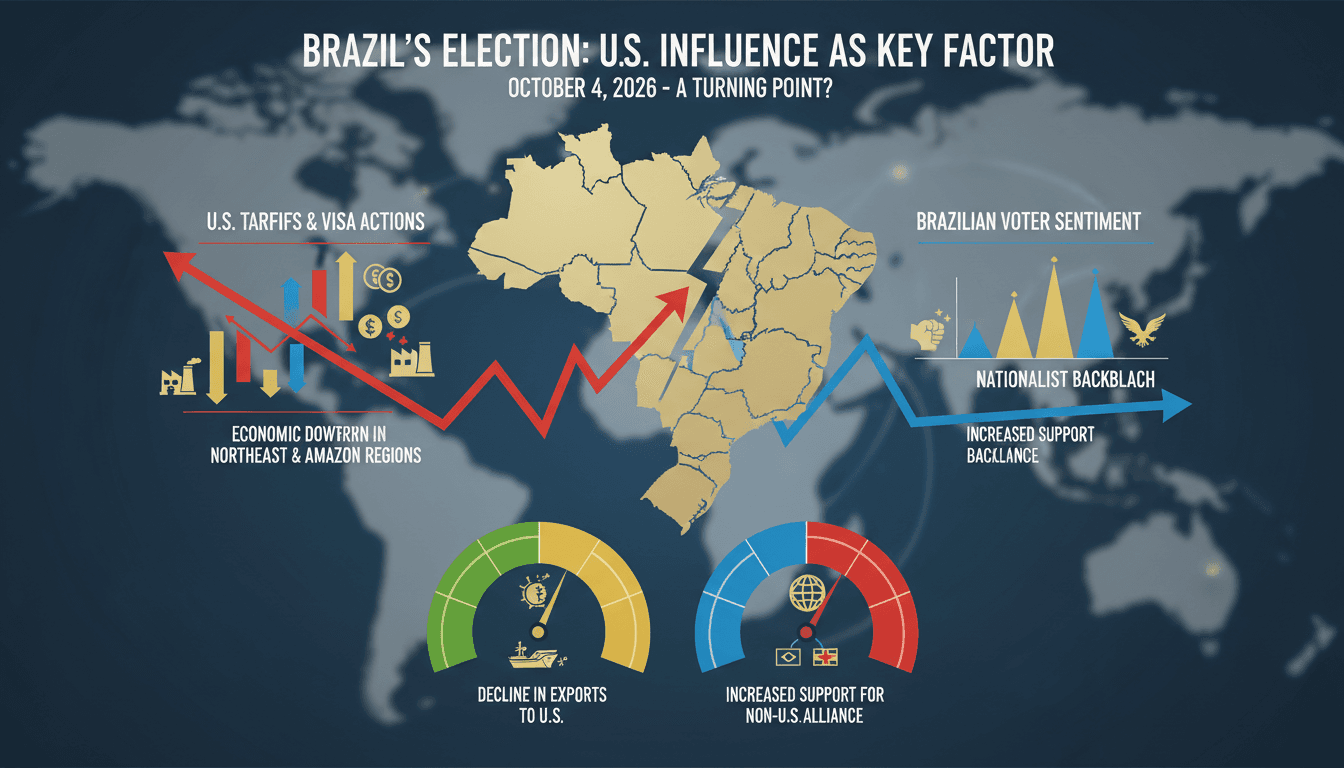
- U.S. tariffs and visa actions have strained relations with Brazil, impacting local businesses and employment.
- Lula and Flávio Bolsonaro represent opposing views on sovereignty and alignment with U.S. policies, energizing their respective bases.
What's really happening
The Brazilian presidential election is not just a domestic affair; it is a battleground for U.S. influence in Latin America. With President Trump back in office, his administration's policies have significantly shaped the political landscape across the region. Since his return, seven Latin American countries have elected conservative or far-right leaders, a trend Trump has publicly celebrated as a testament to his sway.
In Brazil, the stakes are particularly high. Lula da Silva, the incumbent president, faces off against Flávio Bolsonaro, son of former president Jair Bolsonaro, who remains imprisoned due to coup-related convictions. The election has become a referendum on U.S. involvement in Brazilian affairs, with tariffs and visa revocations creating a palpable sense of economic distress among voters. For instance, tariffs have decimated exports for companies like Dupps in São Paulo, dropping their annual revenue from $15 million to zero and resulting in a 40% workforce reduction. This economic fallout has led some voters to blame U.S. policies for their hardships, while others view Lula as a protector of Brazilian sovereignty against external pressures.
At the same time, Flávio Bolsonaro has positioned himself as a proponent of closer ties with the U.S., advocating for initiatives like the Shield of the Americas. His rallies often feature Trump imagery, signaling a desire to align Brazil more closely with U.S. interests. This polarization has energized both camps: right-leaning voters rally around Flávio, while Lula's supporters, including many retirees, express fears of economic dependence on the U.S. and a loss of national sovereignty.
As the election approaches, intelligence assessments have raised alarms about potential U.S. meddling, leading to visa denials for U.S. officials and legal actions against perceived interference. Lula has publicly called for Trump to refrain from involvement, highlighting the contentious nature of U.S.-Brazil relations. The outcome of this election will not only determine Brazil's domestic policies but also signal the future of U.S. influence in the region, with markets and diplomatic relations hanging in the balance.
Who feels it first (and how)
- Local businesses: Particularly those reliant on exports affected by U.S. tariffs.
- Workers in industrial sectors: Facing layoffs and economic uncertainty due to reduced trade.
- Voters in urban centers: Divided opinions on U.S. influence and its impact on local economies.
What to watch next
- Poll results leading up to the election: Indicate voter sentiment and potential shifts in support.
- Post-election market reactions: Will reveal how investors perceive the new administration's stance on U.S. relations.
- Statements from U.S. officials: Any comments or actions from the Trump administration could influence voter perceptions and market stability.
The election is a referendum on U.S. influence in Brazil.
A close race with potential for significant voter turnout and engagement.
The immediate economic impact post-election, depending on the winner's policies.
Frequently Asked Questions
- Why it matters?
- The election serves as a referendum on U.S. influence in Latin America, with potential repercussions for international trade and diplomatic relations.
- What happened (in 30 seconds)?
- Brazil's presidential election on October 4, 2026, features incumbent Lula da Silva against Flávio Bolsonaro. Voters are divided over economic concerns and perceptions of U.S. interference under President Trump. Polls indicate a tight race, with neither candidate expected to secure an outright majority.
- What's really happening?
- The Brazilian presidential election is not just a domestic affair; it is a battleground for U.S. influence in Latin America. With President Trump back in office, his administration's policies have significantly shaped the political landscape across the region. Since his return, seven Latin American countries have elected conservative or far-right leaders, a trend Trump has publicly celebrated as a testament to his sway. In Brazil, the stakes are particularly high. Lula da Silva, the incumbent p
- Who feels it first (and how)?
- Local businesses: Particularly those reliant on exports affected by U.S. tariffs. Workers in industrial sectors: Facing layoffs and economic uncertainty due to reduced trade. Voters in urban centers: Divided opinions on U.S. influence and its impact on local economies.
- What to watch next?
- Poll results leading up to the election: Indicate voter sentiment and potential shifts in support. Post-election market reactions: Will reveal how investors perceive the new administration's stance on U.S. relations. Statements from U.S. officials: Any comments or actions from the Trump administration could influence voter perceptions and market stability.
International stories from NPR’s global desk.
"NPR is an American public media organization known for thoughtful reporting and a slightly left-leaning editorial tone."
— A47 Editor
For some Brazilians, this election is a vote on Trump
As Brazil approaches its presidential election on October 4, 2026, voters are considering the influence of former President Donald Trump on their political landscape, with many viewing the election as a referendum on his impact in the region.
International coverage of politics, culture, and current affairs.
"BBC News is widely regarded as a reputable international news organization, known for its impartial tone and public service mandate."
— A47 Editor
Why has Brazil accused the US of election interference?
Brazil has accused the United States of attempting to interfere in its upcoming presidential election, scheduled for October 4, 2026, as tensions rise between incumbent President Lula da Silva and challenger Flavio Bolsonaro. Lula has publicly stated...
International coverage from The Guardian's global desks.
"The Guardian is known for its progressive editorial stance and in-depth analysis."
— A47 Editor
Brazil’s neck-and-neck election offers test for growing pro-Trump Latin American bloc
Brazil is poised for a closely contested presidential election on October 4, featuring incumbent President Luiz Inácio Lula da Silva against Flávio Bolsonaro, son of former President Jair Bolsonaro. This election is significant as it reflects the gro...