
Mecca Defence Alliance Initiates Military Deployment in Response to Houthi Threats
Why it matters
The activation of the Mecca Defence Alliance signals a significant shift in regional security dynamics, potentially affecting global energy markets and geopolitical relations.
What happened (in 30 seconds)
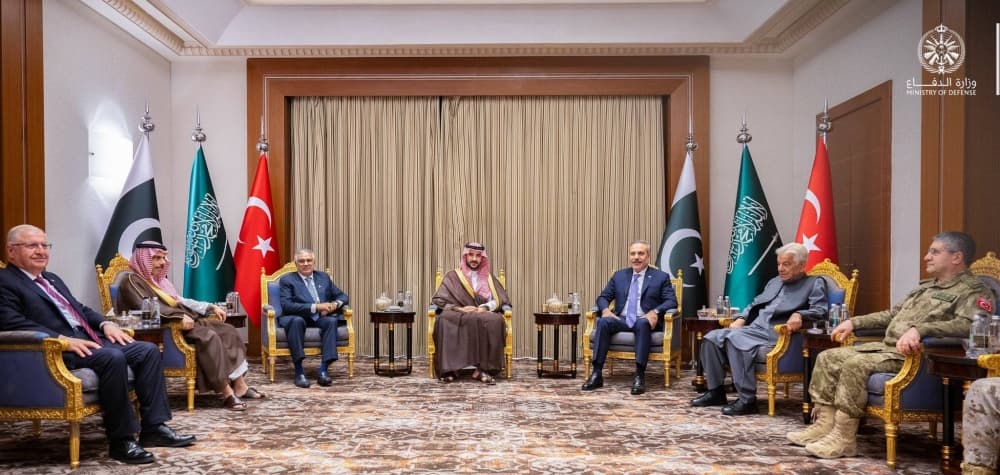
- On October 5, 2026, Saudi Arabia, Pakistan, and Turkey activated the Mecca Defence Alliance during an emergency meeting in Riyadh.
- This marks the first operational invocation of a mutual defense pact signed on August 7, 2026, transitioning from political solidarity to military action.
- The decision responds to escalating threats from Yemen's Houthis, particularly targeting civilian and holy sites in Saudi Arabia.
The context you actually need
- The Mecca Joint Defence Agreement was established to ensure collective defense, where an attack on one member is considered an attack on all.
- Recent Houthi attacks have included missile and drone strikes on Saudi infrastructure, prompting urgent security measures.
- The alliance's formation reflects broader regional tensions and the need for coordinated military responses among member states.
What's really happening
The Mecca Defence Alliance's activation represents a pivotal moment in Middle Eastern geopolitics, driven by escalating security threats from Yemen's Houthi forces. The emergency meeting in Riyadh on October 5, 2026, was a direct response to these threats, particularly the Houthi's missile and drone strikes targeting Saudi Arabia's civilian infrastructure and holy sites in Mecca and Medina. This situation necessitated a shift from mere political solidarity to actionable military commitments among the alliance members.
The mutual defense pact, signed on August 7, 2026, laid the groundwork for this collective response, emphasizing that an attack on one member state would be treated as an attack on all. This principle of collective defense is crucial in a region marked by instability and conflict, particularly given the ongoing war in Yemen and the Houthi's aggressive posture. The alliance's decision to deploy military forces to Saudi Arabia underscores the seriousness of the threats faced and the urgency of a coordinated response.
Retired Pakistani Lt. Gen. Nauman Mahmood's appointment as the alliance's first Secretary General signals a commitment to institutionalizing this military cooperation. The alliance's official statements have stressed the defensive nature of their actions, aiming to deter further aggression while condemning attacks on holy sites. This approach seeks to reassure both domestic and international audiences of the alliance's intentions.
The combined military strength of Saudi Arabia, Pakistan, and Turkey—totaling approximately 1.4 million active-duty personnel—enhances the alliance's deterrent capabilities. This collective force not only aims to protect member states but also to stabilize the broader Gulf region, which is vital for global energy supplies and economic interests.
As the alliance moves forward with deployment procedures, the implications for regional security and economic stability are significant. Enhanced military cooperation may deter further Houthi aggression and contribute to a more stable environment for trade and investment in the Gulf. However, the situation remains fluid, and the effectiveness of this alliance will depend on its ability to respond to ongoing threats and maintain cohesion among its members.
Who feels it first (and how)
- Businesses in the Gulf region: Increased military presence may enhance security, impacting trade and investment.
- Residents of Saudi Arabia: Heightened security measures could affect daily life and perceptions of safety.
- International energy markets: Stability in Saudi Arabia is crucial for oil supply, influencing global prices.
What to watch next
- Deployment of military forces: Monitoring the scale and speed of troop movements will indicate the alliance's commitment to collective defense.
- Houthi response: Any retaliatory actions from the Houthis could escalate tensions and impact regional stability.
- International reactions: Observing how global powers respond to the alliance's activation will provide insights into shifting geopolitical dynamics.
The Mecca Defence Alliance has activated collective defense measures.
Increased military cooperation will enhance regional security and deter Houthi aggression.
The long-term effectiveness of the alliance in maintaining stability and preventing conflict escalation.
Frequently Asked Questions
- Why it matters?
- The activation of the Mecca Defence Alliance signals a significant shift in regional security dynamics, potentially affecting global energy markets and geopolitical relations.
- What happened (in 30 seconds)?
- On October 5, 2026, Saudi Arabia, Pakistan, and Turkey activated the Mecca Defence Alliance during an emergency meeting in Riyadh. This marks the first operational invocation of a mutual defense pact signed on August 7, 2026, transitioning from political solidarity to military action. The decision responds to escalating threats from Yemen's Houthis, particularly targeting civilian and holy sites in Saudi Arabia.
- What's really happening?
- The Mecca Defence Alliance's activation represents a pivotal moment in Middle Eastern geopolitics, driven by escalating security threats from Yemen's Houthi forces. The emergency meeting in Riyadh on October 5, 2026, was a direct response to these threats, particularly the Houthi's missile and drone strikes targeting Saudi Arabia's civilian infrastructure and holy sites in Mecca and Medina. This situation necessitated a shift from mere political solidarity to actionable military commitments amon
- Who feels it first (and how)?
- Businesses in the Gulf region: Increased military presence may enhance security, impacting trade and investment. Residents of Saudi Arabia: Heightened security measures could affect daily life and perceptions of safety. International energy markets: Stability in Saudi Arabia is crucial for oil supply, influencing global prices.
- What to watch next?
- Deployment of military forces: Monitoring the scale and speed of troop movements will indicate the alliance's commitment to collective defense. Houthi response: Any retaliatory actions from the Houthis could escalate tensions and impact regional stability. International reactions: Observing how global powers respond to the alliance's activation will provide insights into shifting geopolitical dynamics.
Arabic-language coverage of international news and geopolitics.
"RT Arabic is a Russian state-funded outlet often criticized for promoting Kremlin-aligned narratives."
— A47 Editor
الرياض.. اجتماع لوزراء خارجية اتفاق مكة
A meeting of the political, strategic, and defense committee under the Joint Defense Agreement of Mecca is taking place in Riyadh, attended by the foreign ministers of Saudi Arabia, Turkey, and Pakistan, along with military officials.
Arabic-language reporting focused on domestic developments in Saudi Arabia.
"Okaz is a mainstream Saudi newspaper that often reflects domestic priorities and official-facing coverage."
— A47 Editor
«حلف مكة» يعلن تفعيل الردع الجماعي
Saudi Arabia, Pakistan, and Turkey held an emergency meeting in Riyadh to activate collective deterrence within the Makkah Alliance, addressing security threats facing Saudi Arabia. The committee appointed retired General Nauman Mahmood from Pakistan...
Coverage of political affairs and regional developments from a Saudi perspective.
"Al Watan political coverage typically follows a mainstream Saudi framing of regional and national issues."
— A47 Editor
نشر قوات حلف مكة يُدشن مرحلة الردع الجماعي لحماية أمن المملكة ومقدساتها
A significant strategic shift has occurred with the emergency meeting of the political and defense committee of the parties to the Mecca Agreement for mutual defense, held in Riyadh. This meeting marks a transition from political frameworks to practi...