
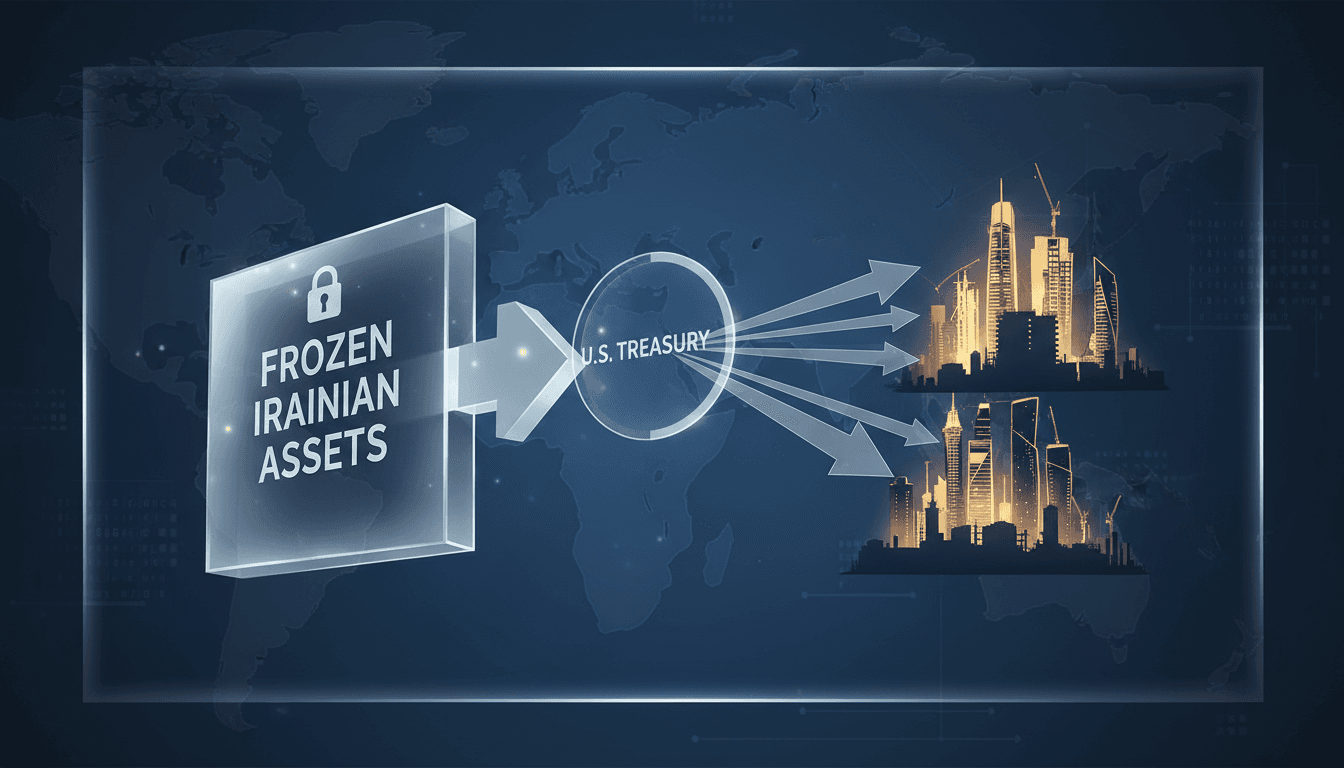
US Treasury considers using frozen Iranian assets for Gulf reconstruction efforts
Here's what it means for you.
The U.S. Treasury's potential redirection of frozen Iranian assets could significantly impact Gulf reconstruction efforts and regional stability. This initiative may reshape financial dynamics in the Gulf, influencing both U.S. foreign policy and local economies. Stakeholders should prepare for possible shifts in alliances and responses from Iran and its supporters.
What happened
The U.S. Treasury Department is exploring the use of frozen Iranian assets to support reconstruction initiatives for Gulf allies. This decision is driven by the need to address damage attributed to Iranian actions in the region. Treasury Secretary Scott Bessent is currently assessing the situation and gathering estimates from U.S. allies to facilitate this initiative.
Reports indicate that the Treasury's plans emerged on June 8, 2026, following Bessent's directive to evaluate conditions among allies. The current status of Iranian assets remains at zero, highlighting the potential for future financial maneuvers.
The Context
This initiative reflects ongoing geopolitical tensions and the U.S. strategy in the Gulf, where reconstruction is critical following Iranian-related disruptions. The assessment led by Secretary Bessent involves close collaboration with U.S. allies, emphasizing the importance of regional stability. The timing of this move is crucial, as it aligns with heightened scrutiny of Iran's influence in the area.
The implications of utilizing these assets extend beyond immediate financial support, potentially altering the landscape of U.S.-Iran relations. As the U.S. seeks to leverage Iranian resources for allied support, the reactions from Iran and its supporters will be pivotal in shaping future interactions.
Takeaway
As the U.S. Treasury moves forward with this initiative, it may lead to significant shifts in regional alliances and financial strategies. Stakeholders should monitor developments in U.S.-Iran relations, particularly regarding asset management and potential responses from Iran. The situation remains fluid, and the outcomes could have lasting effects on Gulf dynamics.
Future developments will be critical in understanding how this strategy unfolds and its broader implications for U.S. foreign policy in the region.
Capitol Hill news, legislation, and policy insight.
"The Hill specializes in U.S. politics and policy, with a focus on Capitol Hill developments and a reputation for insider reporting."
— A47 Editor
Treasury intends to use Iranian assets for Gulf allies to rebuild: CBS report
The U.S. Treasury Department plans to utilize Iranian assets to aid Gulf allies in rebuilding efforts following damage caused by the ongoing conflict in Iran, as reported by CBS News. Treasury Secretary Scott Bessent is reportedly advocating for this...
Corporate leadership, finance, technology, and market trends.
"Fortune covers financial trends, leadership, and innovation with a pragmatic editorial approach."
— A47 Editor
U.S. floats steering frozen Iran assets to Gulf allies for repairs
The U.S. Treasury Secretary Scott Bessent has initiated an assessment of conditions among Gulf allies to explore the possibility of directing frozen Iranian assets towards repairs and compensation for damages incurred during military conflicts. This ...
Macro commentary, policy analysis, growth/inflation themes, and global outlooks.
"Contextual macro coverage that complements day-to-day market headlines."
— A47 Editor
Trump vows uranium seizure; Israel strikes Beirut suburb
President Trump has announced plans to seize uranium, coinciding with Israeli airstrikes on a suburb of Beirut, reflecting escalating tensions in the region. This development underscores the ongoing conflict involving the U.S. and its allies against ...