
Putin Declares Non-Negotiable Security Zone Along Ukraine Border
Why it matters
This move signals a potential escalation in the Russia-Ukraine conflict, affecting geopolitical dynamics and international relations.
What happened (in 30 seconds)
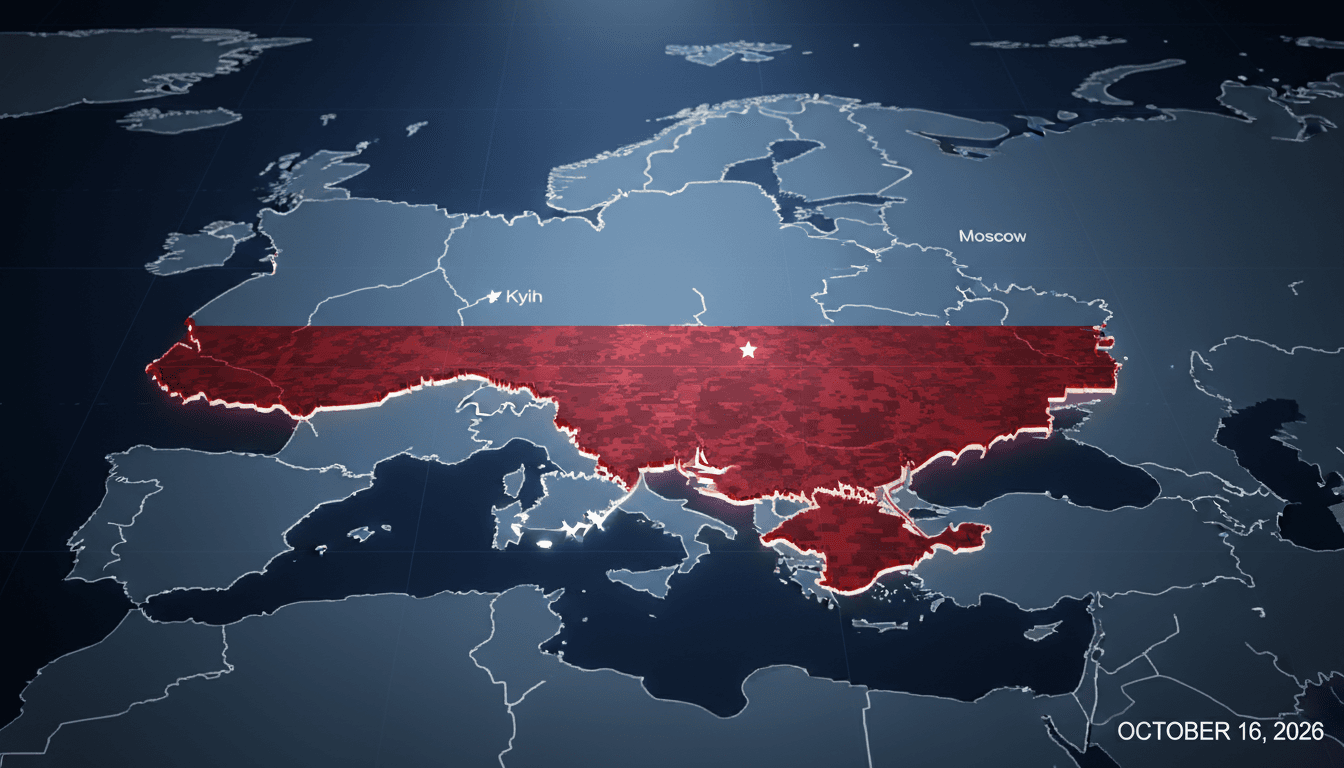
- On October 16, 2026, Russian President Vladimir Putin announced a non-negotiable security zone inside Ukraine along the border.
- The zone spans 660 km, with 70% currently under Russian control, according to Kremlin spokesman Dmitry Peskov.
- Putin framed the zone as a response to Ukraine's 2024-25 incursion into Russia's Kursk region, emphasizing its permanence for border security.
The context you actually need
- The Russia-Ukraine conflict began with Russia's full-scale invasion in February 2022, leading to ongoing territorial disputes.
- Ukraine's military actions in Kursk prompted this latest Russian declaration, marking a significant shift in military strategy.
- Putin's previous comments on buffer zones lacked specifics, making this announcement a notable escalation in rhetoric and military posture.
What's really happening
On October 16, 2026, during a visit to a military command post, President Putin declared the establishment of a non-negotiable security zone along the Ukraine border. This announcement is a direct response to Ukraine's military incursions into Russian territory, particularly the Kursk region, which began in 2024. The Kremlin's framing of the zone as "non-negotiable" indicates a hardening of Russia's stance towards Ukraine and suggests that any future peace negotiations will not include discussions about this newly established zone.
The security zone is planned to extend 660 km, with 70% already under Russian control. This figure highlights the extent of Russian military presence and influence in the region. The zone's establishment is not merely a defensive measure; it is a strategic maneuver aimed at consolidating Russian territorial claims and ensuring a buffer against further Ukrainian advances. By asserting control over this area, Russia aims to secure its borders and deter future incursions.
This development occurs amid a backdrop of complex geopolitical dynamics, including ongoing U.S.-Russia energy discussions. The implications of this security zone extend beyond military considerations; they could also affect energy markets and international relations. As Russia fortifies its position, it may leverage its energy resources as a tool for political influence, particularly in Europe, where energy dependence on Russia remains a critical issue.
The announcement has been met with limited immediate responses from Ukraine and other international actors, suggesting that the full ramifications of this move are still unfolding. However, the declaration of a non-negotiable zone raises questions about the future of peace talks and the potential for further escalation in the conflict. The Kremlin's commitment to this security zone indicates a long-term strategy that could redefine the conflict's trajectory.
Who feels it first (and how)
- Ukrainian military: Increased pressure and potential for escalated conflict in border regions.
- Local populations in Sumy and Kharkiv: Heightened security measures and possible displacement due to military activities.
- Energy markets: Potential shifts in supply and pricing as geopolitical tensions affect trade routes and energy security.
What to watch next
- International diplomatic responses: Watch for reactions from NATO and the EU, which could influence sanctions or military support for Ukraine.
- Military developments: Monitor troop movements and engagements in the newly established security zone, which may indicate escalation or de-escalation.
- Energy market fluctuations: Keep an eye on oil and gas prices, as changes in Russian energy policy could impact global markets.
The security zone spans 660 km, with 70% under Russian control.
Increased military activity and potential for further conflict in the region.
The long-term impact on peace negotiations and international relations.
Frequently Asked Questions
- Why it matters?
- This move signals a potential escalation in the Russia-Ukraine conflict, affecting geopolitical dynamics and international relations.
- What happened (in 30 seconds)?
- On October 16, 2026, Russian President Vladimir Putin announced a non-negotiable security zone inside Ukraine along the border. The zone spans 660 km, with 70% currently under Russian control, according to Kremlin spokesman Dmitry Peskov. Putin framed the zone as a response to Ukraine's 2024-25 incursion into Russia's Kursk region, emphasizing its permanence for border security.
- What's really happening?
- On October 16, 2026, during a visit to a military command post, President Putin declared the establishment of a non-negotiable security zone along the Ukraine border. This announcement is a direct response to Ukraine's military incursions into Russian territory, particularly the Kursk region, which began in 2024. The Kremlin's framing of the zone as "non-negotiable" indicates a hardening of Russia's stance towards Ukraine and suggests that any future peace negotiations will not include discussio
- Who feels it first (and how)?
- Ukrainian military: Increased pressure and potential for escalated conflict in border regions. Local populations in Sumy and Kharkiv: Heightened security measures and possible displacement due to military activities. Energy markets: Potential shifts in supply and pricing as geopolitical tensions affect trade routes and energy security.
- What to watch next?
- International diplomatic responses: Watch for reactions from NATO and the EU, which could influence sanctions or military support for Ukraine. Military developments: Monitor troop movements and engagements in the newly established security zone, which may indicate escalation or de-escalation. Energy market fluctuations: Keep an eye on oil and gas prices, as changes in Russian energy policy could impact global markets.
English-language news from Qatar covering domestic and regional affairs.
"Gulf Times reflects Qatari perspectives on regional developments."
— A47 Editor
Putin says Russia is building non-negotiable 'security zone' in Ukraine along border
Russian President Vladimir Putin announced the establishment of a non-negotiable 'security zone' within Ukraine along the border, asserting that this zone will be a critical point in any future discussions with Kyiv. This declaration comes amid ongoi...
Key macro releases (CPI, jobs, PMIs), surprise indexes, and market implications.
"Great for data-print awareness and instant read-through to rates and risk assets."
— A47 Editor
Putin says Russia is building non-negotiable ’security zone’ in Ukraine along border
Russian President Vladimir Putin announced the establishment of a non-negotiable 'security zone' along the Ukraine border, asserting that this measure is essential for Russia's national security. This declaration comes amid ongoing military tensions ...
Domestic Russian news, politics, and society.
"RT is widely criticized for promoting pro-Kremlin narratives and is considered by many to be a state propaganda outlet."
— A47 Editor
Security of Russian border regions top priority – Putin
Russian President Vladimir Putin has emphasized the security of Russia's border regions as a top priority, announcing that the military will continue long-range strikes against Ukraine. This statement comes amid escalating tensions and military opera...