
Trump Criticizes Zelenskyy Amid Ongoing US-Russia Peace Talks
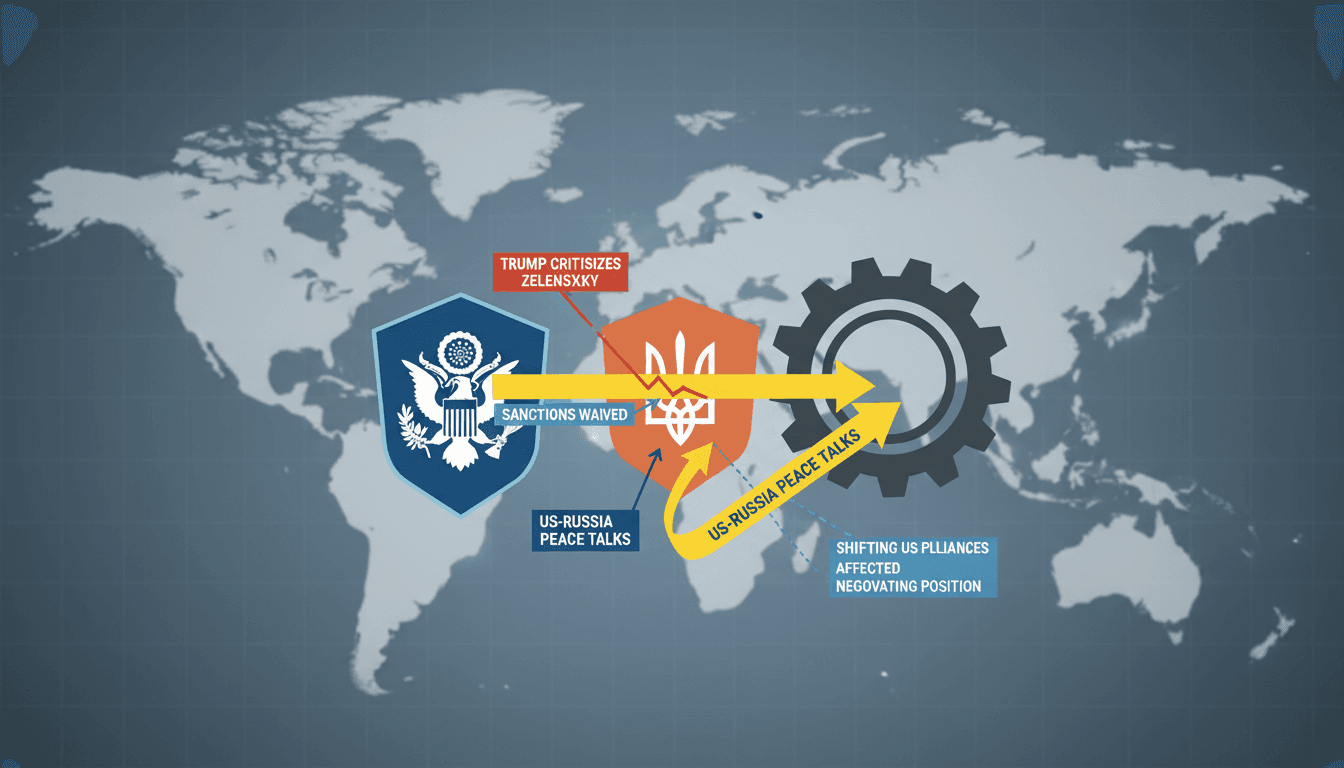
Why it matters
This diplomatic rift could influence global energy prices and security dynamics, affecting markets and economies worldwide.
What happened (in 30 seconds)
- Trump accused Zelenskyy of resisting efforts to end the Ukraine conflict during US-Russia negotiations.
- Zelenskyy countered that US actions were pressuring Ukraine into capitulation, complicating peace efforts.
- Ongoing negotiations involve US envoys and potential trilateral talks with Russia and China, indicating a shift in diplomatic strategy.
The context you actually need
- The Russia-Ukraine conflict has persisted since 2022, with numerous failed ceasefires and negotiations.
- US policy has shifted under Trump, focusing on direct engagement with Russia, including sanctions relief and energy deals.
- Zelenskyy's demands for security guarantees remain firm, while Trump criticizes Ukrainian leadership for prolonging the war.
What's really happening
Trump's statements on October 19, 2026, reflect a significant shift in the US approach to the Ukraine conflict, emphasizing a more conciliatory stance towards Russia. By suggesting that Zelenskyy is unwilling to negotiate, Trump is not only undermining Ukraine's position but also attempting to reshape the narrative around US involvement in the conflict. This comes at a time when the US is actively pursuing negotiations with Russia, including waiving certain sanctions and exploring energy deals, which could have far-reaching implications for global markets.
The backdrop of this diplomatic tension is the ongoing war, now in its 1,699th day, which has seen Ukraine facing immense pressure both militarily and economically. Trump's remarks suggest a willingness to consider alternative negotiators for Ukraine, which could signal a shift in US support away from Zelenskyy. This is particularly concerning for Ukraine, as it relies heavily on US backing for military and economic assistance.
Zelenskyy's response highlights the precarious position Ukraine finds itself in, caught between the demands of its allies and the realities of the conflict. His insistence on security guarantees underscores the need for a robust defense strategy, which may be jeopardized if US policy continues to favor a rapprochement with Russia. The implications of this are significant, as any perceived weakening of US support could embolden Russia and complicate Ukraine's efforts to reclaim territory and stabilize its economy.
Moreover, the involvement of US envoys in ongoing negotiations indicates that the US is not stepping back from its role as a mediator, but rather recalibrating its approach. The potential for trilateral meetings involving Putin and Xi Jinping adds another layer of complexity, as it suggests a broader geopolitical realignment that could impact global power dynamics.
In summary, the interplay between Trump, Zelenskyy, and Putin is not just a matter of personal animosities but reflects deeper structural shifts in international relations. The outcome of these negotiations will likely influence not only the future of Ukraine but also the stability of global markets and energy supplies.
Who feels it first (and how)
- Ukrainian government officials: Facing pressure to adapt to changing US policies and potential loss of support.
- Energy sector stakeholders: Monitoring shifts in US-Russia relations that could impact energy prices and supply chains.
- European allies: Concerned about the implications of US policy shifts on regional security and economic stability.
What to watch next
- US-Russia negotiations: Continued developments in talks could signal shifts in diplomatic strategy and impact global energy markets.
- Zelenskyy's response: How Ukraine adapts to US policy changes will be critical in shaping its military and economic strategies.
- European reactions: Watch for responses from European allies regarding US support for Ukraine and potential adjustments in their own policies.
The US is actively engaging in negotiations with Russia, impacting Ukraine's position.
Continued tensions between Trump and Zelenskyy will complicate peace efforts and influence US foreign policy.
The long-term effects of these diplomatic shifts on global energy markets and security dynamics remain uncertain.
Frequently Asked Questions
- Why it matters?
- This diplomatic rift could influence global energy prices and security dynamics, affecting markets and economies worldwide.
- What happened (in 30 seconds)?
- Trump accused Zelenskyy of resisting efforts to end the Ukraine conflict during US-Russia negotiations. Zelenskyy countered that US actions were pressuring Ukraine into capitulation, complicating peace efforts. Ongoing negotiations involve US envoys and potential trilateral talks with Russia and China, indicating a shift in diplomatic strategy.
- What's really happening?
- Trump's statements on October 19, 2026, reflect a significant shift in the US approach to the Ukraine conflict, emphasizing a more conciliatory stance towards Russia. By suggesting that Zelenskyy is unwilling to negotiate, Trump is not only undermining Ukraine's position but also attempting to reshape the narrative around US involvement in the conflict. This comes at a time when the US is actively pursuing negotiations with Russia, including waiving certain sanctions and exploring energy deals,
- Who feels it first (and how)?
- Ukrainian government officials: Facing pressure to adapt to changing US policies and potential loss of support. Energy sector stakeholders: Monitoring shifts in US-Russia relations that could impact energy prices and supply chains. European allies: Concerned about the implications of US policy shifts on regional security and economic stability.
- What to watch next?
- US-Russia negotiations: Continued developments in talks could signal shifts in diplomatic strategy and impact global energy markets. Zelenskyy's response: How Ukraine adapts to US policy changes will be critical in shaping its military and economic strategies. European reactions: Watch for responses from European allies regarding US support for Ukraine and potential adjustments in their own policies.
Arabic-language coverage of international news and geopolitics.
"RT Arabic is a Russian state-funded outlet often criticized for promoting Kremlin-aligned narratives."
— A47 Editor
ترامب: زيلينسكي لا يريد إنهاء الصراع في أوكرانيا
Former U.S. President Donald Trump stated that Ukrainian President Volodymyr Zelensky is not contributing to the resolution of the ongoing conflict in Ukraine, suggesting it may be time to seek another party for negotiations.
Arabic-language coverage of political affairs and current events.
"Okaz political coverage typically follows mainstream Saudi framing on national and regional affairs."
— A47 Editor
روبيو: ترمب منفتح على إنهاء حرب أوكرانيا
U.S. Secretary of State Marco Rubio stated that President Donald Trump is open to any steps that could lead to the end of the Russia-Ukraine war, emphasizing that the U.S. priority is to put an end to the conflict. Rubio denied claims made by Ukraini...
Pan-Arab political news and analysis.
"Al-Quds Al-Arabi is a London-based Arabic newspaper known for political coverage."
— A47 Editor
ترامب: زيلينسكي “لا يريد إنهاء الحرب”
On Sunday, U.S. President Donald Trump accused Ukrainian President Volodymyr Zelensky of not wanting to end the ongoing war with Russia, which has persisted for over four years. Trump stated on his Truth Social platform that his approach to Russia is...
Jordanian news and regional updates.
"Roya News is a Jordanian outlet focused on breaking news and local affairs."
— A47 Editor
ترمب يهاجم زيلينسكي ويتهمه برفض إنهاء الحرب واستهداف مصافي النفط الروسية
On Sunday, former U.S. President Donald Trump criticized Ukrainian President Volodymyr Zelensky, accusing him of refusing to end the ongoing war and targeting Russian oil refineries. Trump's remarks highlight the tensions surrounding the conflict in ...
Arabic-language coverage of international news and geopolitics.
"RT Arabic is a Russian state-funded outlet often criticized for promoting Kremlin-aligned narratives."
— A47 Editor
ترامب يدافع عن تعليق العقوبات
U.S. President Donald Trump and Secretary of State Marco Rubio defended the decision to suspend sanctions and tariffs related to Russia, asserting that this move serves American interests and considers global market stability.