
Iran Allegedly Uses Submarines for Arms Transfers to Houthis Amid Disrupted Maritime Routes
Why it matters
The use of submarines for arms transfers signifies a shift in regional military tactics, potentially escalating conflicts and affecting global shipping security.
What happened (in 30 seconds)
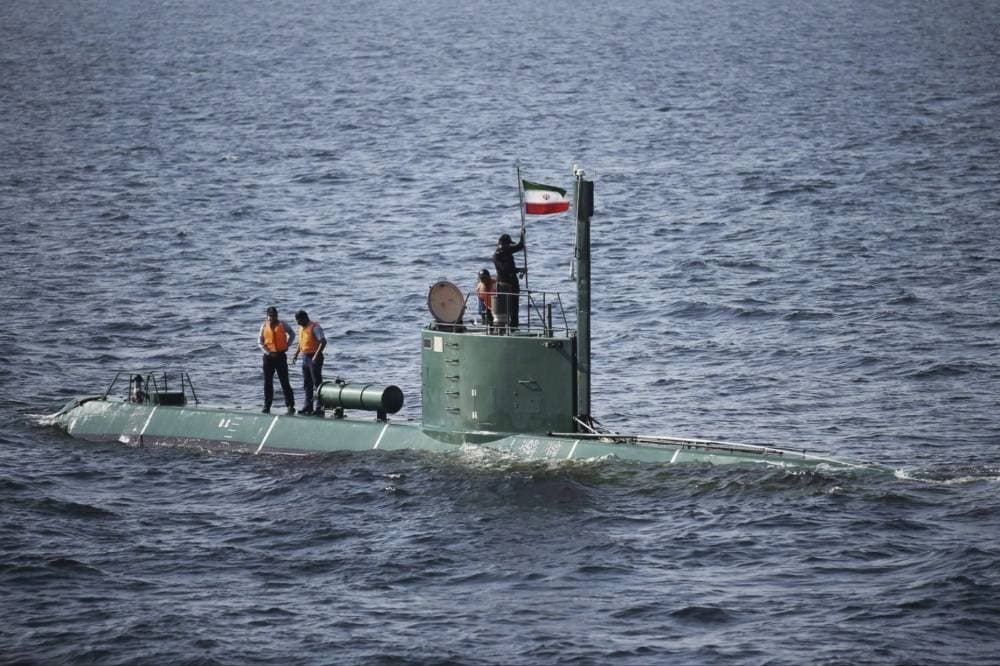
- Reports surfaced on October 17, 2026, indicating Iranian submarines are being used to smuggle weapons to Houthi forces in Yemen.
- Iran's Revolutionary Guard Corps (IRGC) is reportedly providing operational support to enhance Houthi military capabilities.
- Traditional smuggling routes have been disrupted by U.S. and Israeli strikes, prompting Iran to adapt its methods.
The context you actually need
- The Yemen conflict has been ongoing since 2014, with Iran supporting Houthi forces through material and advisory means.
- Previous smuggling methods relied on dhows and fishing vessels, primarily using routes through Somalia or Djibouti.
- Intensified military actions by the U.S. and Israel have led to a strategic shift, with Iran now employing submarines to maintain supply lines.
What's really happening
The recent reports of Iranian submarines being utilized for arms transfers to Houthi forces reflect a significant evolution in Iran's military logistics amid increasing regional pressures. The Iranian Revolutionary Guard Corps (IRGC) has been deeply involved in supporting the Houthis, providing not just weapons but also training and technical expertise. This includes enhancing the Houthis' missile, drone, and radar capabilities, which are crucial for targeting maritime traffic in the Red Sea.
The shift to submarine transport is a direct response to intensified naval interdictions on traditional smuggling routes. U.S. and Israeli military actions have disrupted these pathways, making it increasingly difficult for Iran to supply the Houthis through conventional means. By employing submarines, Iran is attempting to circumvent these challenges, ensuring that Houthi forces remain well-armed and capable of conducting operations against regional adversaries.
The operational support provided by IRGC personnel includes tactical guidance and coordination of attacks, which indicates a more integrated approach to military operations. This collaboration is not limited to Yemen; reports suggest that joint operations centers in Lebanon and Iraq are also involved, further complicating the regional security landscape. The deployment of coastal missile and radar systems overlooking the Red Sea adds another layer of threat to international shipping lanes, which are vital for global trade.
As the Houthis continue to launch strikes and replenish their arsenals, the implications of this arms transfer strategy extend beyond Yemen. The potential for increased maritime conflict could disrupt shipping routes, leading to higher insurance rates and logistical challenges for businesses reliant on these pathways. The situation is fluid, and the international community is closely monitoring developments, particularly as Saudi and Yemeni forces ramp up their interdiction efforts against smuggling networks.
Who feels it first (and how)
- Shipping companies: Increased risks may lead to higher insurance premiums and operational costs.
- Logistics providers: Potential delays in shipping routes could disrupt supply chains.
- Regional governments: Heightened military tensions may necessitate increased defense spending and security measures.
- Businesses reliant on Red Sea trade: Any disruption could impact costs and availability of goods.
What to watch next
- International military responses: Watch for any escalated military actions from the U.S. or allied forces in the region, which could further impact shipping routes.
- Insurance market reactions: Monitor changes in maritime insurance rates as the risk profile for shipping in the Red Sea evolves.
- Houthi military activity: Keep an eye on the frequency and scale of Houthi attacks on maritime targets, which could indicate the effectiveness of Iranian support.
Iranian submarines are reportedly being used for arms transfers to the Houthis.
Increased military tensions in the Red Sea will affect shipping and logistics.
The long-term impact on regional stability and international shipping routes remains uncertain.
Frequently Asked Questions
- Why it matters?
- The use of submarines for arms transfers signifies a shift in regional military tactics, potentially escalating conflicts and affecting global shipping security.
- What happened (in 30 seconds)?
- Reports surfaced on October 17, 2026, indicating Iranian submarines are being used to smuggle weapons to Houthi forces in Yemen. Iran's Revolutionary Guard Corps (IRGC) is reportedly providing operational support to enhance Houthi military capabilities. Traditional smuggling routes have been disrupted by U.S. and Israeli strikes, prompting Iran to adapt its methods.
- What's really happening?
- The recent reports of Iranian submarines being utilized for arms transfers to Houthi forces reflect a significant evolution in Iran's military logistics amid increasing regional pressures. The Iranian Revolutionary Guard Corps (IRGC) has been deeply involved in supporting the Houthis, providing not just weapons but also training and technical expertise. This includes enhancing the Houthis' missile, drone, and radar capabilities, which are crucial for targeting maritime traffic in the Red Sea. T
- Who feels it first (and how)?
- Shipping companies: Increased risks may lead to higher insurance premiums and operational costs. Logistics providers: Potential delays in shipping routes could disrupt supply chains. Regional governments: Heightened military tensions may necessitate increased defense spending and security measures. Businesses reliant on Red Sea trade: Any disruption could impact costs and availability of goods.
- What to watch next?
- International military responses: Watch for any escalated military actions from the U.S. or allied forces in the region, which could further impact shipping routes. Insurance market reactions: Monitor changes in maritime insurance rates as the risk profile for shipping in the Red Sea evolves. Houthi military activity: Keep an eye on the frequency and scale of Houthi attacks on maritime targets, which could indicate the effectiveness of Iranian support.
Arabic-language local and national news coverage from Saudi Arabia.
"Al-Jazirah is a major Saudi daily with strong emphasis on domestic reporting and official developments."
— A47 Editor
التحالف محذراً: استخدام الحوثيين للوسائط البحرية التقليدية لتهريب الأسلحة يهدد أمن اليمن والأمن الإقليمي والدولي
The coalition forces of the 'Support for Legitimacy in Yemen' have warned the Houthi militia against using traditional maritime vessels for smuggling weapons, missiles, and military equipment across the sea, which poses a threat to Yemen's security a...
Jordanian news and regional updates.
"Roya News is a Jordanian outlet focused on breaking news and local affairs."
— A47 Editor
السعودية.. التحالف يحذر من استغلال الوسائط البحرية التقليدية في تهريب الأسلحة إلى اليمن
The Joint Forces Command of the Coalition has issued a warning regarding the exploitation of traditional maritime vessels for smuggling weapons into Yemen. This alert highlights ongoing concerns about the security situation in the region and the pote...
Arabic-language coverage of political affairs and current events.
"Okaz political coverage typically follows mainstream Saudi framing on national and regional affairs."
— A47 Editor
«التحالف» يحذّر: الحوثيون يستغلون 4 أنواع من الوسائط البحرية لتهريب الأسلحة والصواريخ
The Joint Forces Command of the Coalition to Support Legitimacy in Yemen has warned that the Houthi militia is exploiting traditional maritime vessels, including the 'Zaimah', 'Hori', 'Jalbah', and 'Sanbok', to smuggle weapons, missiles, and military...
Coverage of political affairs and regional developments from a Saudi perspective.
"Al Watan political coverage typically follows a mainstream Saudi framing of regional and national issues."
— A47 Editor
غواصات إيرانية تهرب الأسلحة إلى الحوثيين
The Wall Street Journal reported that Iran has begun using submarines to smuggle weapons to the Houthis in Yemen, marking a significant shift in military supply methods due to increasing pressure on traditional maritime smuggling routes. European and...