
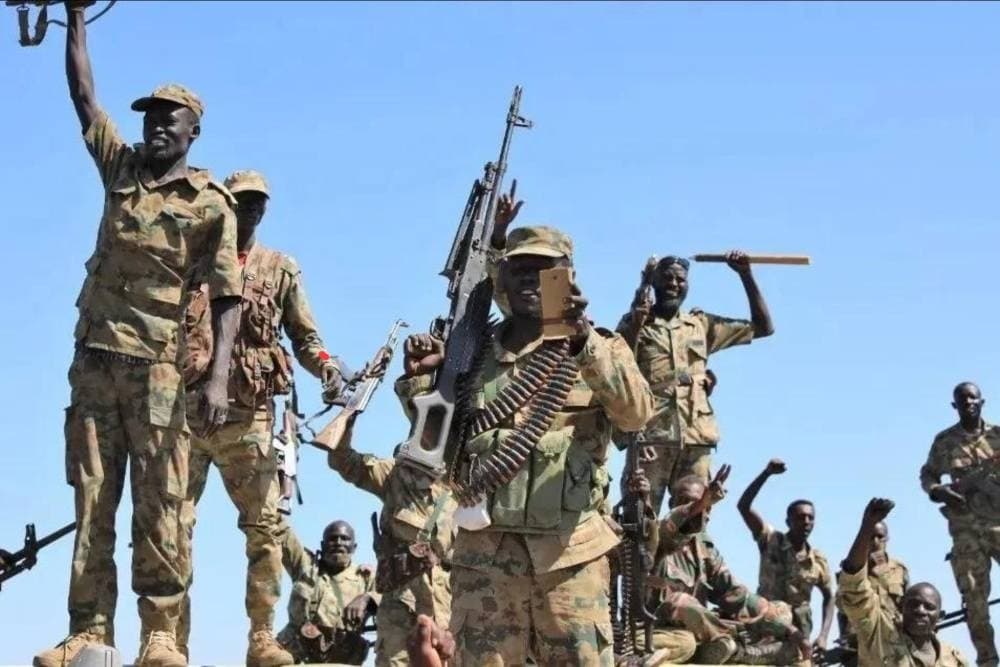
Sudanese Army Intensifies Operations Against RSF Amid Internal Defections
Why it matters
The Sudanese civil war's dynamics could disrupt trade routes and influence geopolitical alliances, affecting international economic conditions.
What happened (in 30 seconds)
- On October 17, 2026, the Sudanese Armed Forces intensified military operations against the Rapid Support Forces in Kordofan and Darfur.
- Internal fractures within the RSF were reported, with approximately 250 fighters defecting amid resource competition.
- Air power reliance increased, with over 50 drone strikes and 110 reported deaths in North Kordofan in the past month.
The context you actually need
- The Sudanese civil war has been ongoing since April 2023, with fluctuating territorial control between the Sudanese Armed Forces (SAF) and the RSF.
- Recent SAF advances in northern Kordofan have pressured RSF supply lines connecting Kordofan to Darfur, crucial for sustaining their operations.
- Internal RSF tensions are rising due to resource scarcity and competition for recruitment, threatening their operational cohesion.
What's really happening
The Sudanese Armed Forces (SAF) have shifted their strategy from merely consolidating territorial gains in northern Kordofan to actively disrupting the supply lines of the Rapid Support Forces (RSF). This tactical pivot is significant; control over logistics corridors has become as critical as territorial dominance in the ongoing civil war. The SAF's recent operations have targeted key routes west of Al-Obeid, particularly around Al-Nuhud and Al-Khoy, which are vital for RSF movements toward Darfur.
The SAF's advances are not just about land; they are about crippling the RSF's ability to sustain its operations. By extending military pressure into western Darfur near Bir Kalikl, the SAF is effectively cutting off RSF access to essential resources and reinforcements. This strategy is compounded by the reported internal fractures within the RSF, where defections have been documented, including significant losses of personnel and equipment. The defection of approximately 200 fighters under intelligence officer Abu Bakr Hamouda Dahloub and another 50 fighters led by Al-Tayeb Al-Wahid illustrates the growing instability within the RSF ranks.
As the conflict evolves, the emphasis has shifted from urban territorial control to the interdiction of supply lines and the preservation of local alliances. The RSF's internal strife, driven by competition over dwindling resources and recruitment challenges, has weakened its operational capacity. This fragmentation is critical; it not only affects the RSF's immediate military effectiveness but also raises questions about its long-term viability as a cohesive fighting force.
The SAF's reliance on air power has intensified, with ACLED data indicating over 50 drone strikes in North Kordofan within a month, resulting in more than 110 reported deaths. This escalation in military tactics underscores the urgency of the SAF's campaign against the RSF, as they seek to exploit the latter's vulnerabilities. The ongoing conflict is not just a battle for territory; it is a struggle for survival, resources, and influence in a region marked by instability.
Who feels it first (and how)
- Local populations in Kordofan and Darfur, facing increased violence and displacement.
- International businesses reliant on stable supply chains in the region, potentially facing disruptions.
- Humanitarian organizations working in Sudan, as access to affected areas may become more challenging.
What to watch next
- RSF internal cohesion: Monitor defections and resource disputes within the RSF, as these could further weaken their operational capabilities.
- SAF military strategy: Watch for changes in SAF tactics and territorial gains, which could signal shifts in the conflict's dynamics.
- International response: Keep an eye on global diplomatic efforts aimed at de-escalation and humanitarian access, which could influence the conflict's trajectory.
The Sudanese Armed Forces are actively targeting RSF supply lines and experiencing tactical successes.
Continued internal fractures within the RSF will lead to further defections and resource competition.
The long-term implications of these military actions on regional stability and international economic conditions.
Frequently Asked Questions
- Why it matters?
- The Sudanese civil war's dynamics could disrupt trade routes and influence geopolitical alliances, affecting international economic conditions.
- What happened (in 30 seconds)?
- On October 17, 2026, the Sudanese Armed Forces intensified military operations against the Rapid Support Forces in Kordofan and Darfur. Internal fractures within the RSF were reported, with approximately 250 fighters defecting amid resource competition. Air power reliance increased, with over 50 drone strikes and 110 reported deaths in North Kordofan in the past month.
- What's really happening?
- The Sudanese Armed Forces (SAF) have shifted their strategy from merely consolidating territorial gains in northern Kordofan to actively disrupting the supply lines of the Rapid Support Forces (RSF). This tactical pivot is significant; control over logistics corridors has become as critical as territorial dominance in the ongoing civil war. The SAF's recent operations have targeted key routes west of Al-Obeid, particularly around Al-Nuhud and Al-Khoy, which are vital for RSF movements toward Dar
- Who feels it first (and how)?
- Local populations in Kordofan and Darfur, facing increased violence and displacement. International businesses reliant on stable supply chains in the region, potentially facing disruptions. Humanitarian organizations working in Sudan, as access to affected areas may become more challenging.
- What to watch next?
- RSF internal cohesion: Monitor defections and resource disputes within the RSF, as these could further weaken their operational capabilities. SAF military strategy: Watch for changes in SAF tactics and territorial gains, which could signal shifts in the conflict's dynamics. International response: Keep an eye on global diplomatic efforts aimed at de-escalation and humanitarian access, which could influence the conflict's trajectory.
Arabic-language coverage of political affairs and current events.
"Okaz political coverage typically follows mainstream Saudi framing on national and regional affairs."
— A47 Editor
مسيّرات الدعم السريع تستهدف الخرطوم.. والجيش يعلن إسقاطها
Drone attacks by the Rapid Support Forces targeted the Sudanese capital, Khartoum, amid ongoing clashes with the Sudanese army, which reported successfully intercepting all drones before they reached their targets. This escalation highlights the cont...
Coverage of political affairs and regional developments from a Saudi perspective.
"Al Watan political coverage typically follows a mainstream Saudi framing of regional and national issues."
— A47 Editor
الجيش السوداني يقطع الشرايين غربا والدعم السريع ينهار من الداخل
The Sudanese army is intensifying its military operations by cutting supply routes westward, while the Rapid Support Forces are experiencing internal collapse due to ongoing leadership splits and resource conflicts. This shift in the conflict dynamic...
Arabic-language coverage of international news and geopolitics.
"RT Arabic is a Russian state-funded outlet often criticized for promoting Kremlin-aligned narratives."
— A47 Editor
السودان.. انفجارات عنيفة تهز الخرطوم وبحري إثر هجوم بمسيّرات للدعم السريع
Violent explosions rocked the Sudanese capital, Khartoum, and the city of Bahri on Saturday, coinciding with an attack by drones from the Rapid Support Forces, as reported by eyewitnesses and local sources. The air defenses reportedly engaged in resp...