
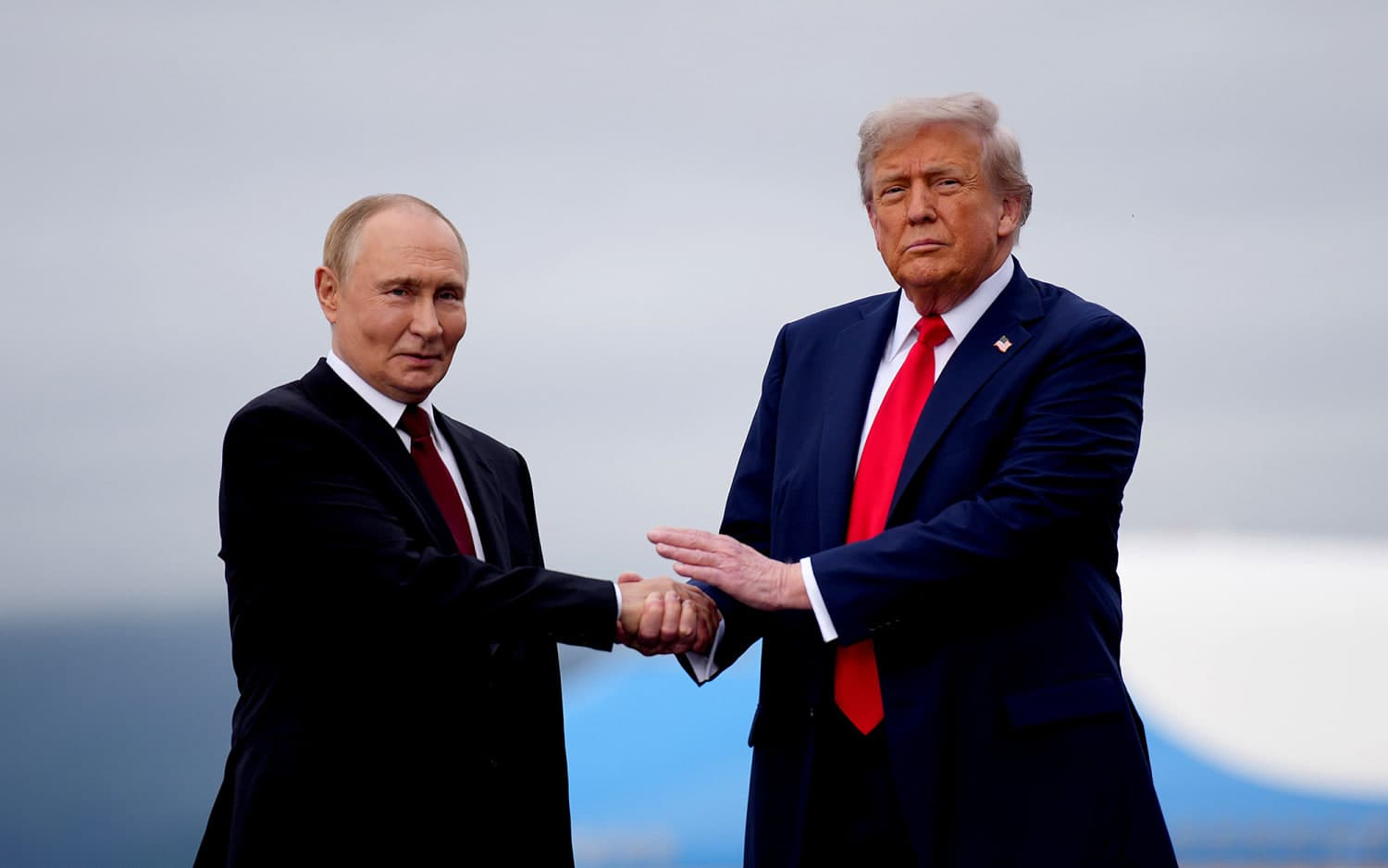
Trump Administration Engages in Flattery Toward Putin to Facilitate Ukraine Peace Talks
Why it matters
This diplomatic strategy could reshape international alliances and influence energy markets, particularly in Europe.
What happened (in 30 seconds)
- Trump's strategy: President Donald Trump is using personal overtures and flattery toward Vladimir Putin to encourage negotiations to end the Russia-Ukraine war.
- Diplomatic gestures: Recent actions include inviting Putin to a G20 summit and thanking Russia for a diesel fuel export deal.
- Skepticism remains: Experts question the effectiveness of this approach without stronger leverage against Russia.
The context you actually need
- Ongoing conflict: The Russia-Ukraine war has entered its fifth year, with previous peace efforts failing to yield results.
- Trump's return: After returning to the presidency in 2025, Trump has sought to position the U.S. as a neutral party in the conflict.
- Shift in tone: This strategy marks a significant departure from the previous Western isolation of Putin following the 2014 Crimea annexation.
What's really happening
In October 2026, President Trump intensified his diplomatic overtures toward Russian President Vladimir Putin, aiming to leverage personal rapport to facilitate negotiations for ending the prolonged Russia-Ukraine conflict. This approach is characterized by a series of positive gestures, including public praise of Putin and invitations for high-level meetings. For instance, Trump thanked Russia for a diesel fuel export deal on October 9, which was perceived as an attempt to build goodwill. Additionally, Trump has proposed hosting a G20 summit at his Doral resort in Miami, where he hopes to engage Putin directly.
Negotiator Steve Witkoff has also played a crucial role in this strategy, recently describing Putin as "a humanitarian" following the release of an American detainee. This characterization has drawn criticism from some U.S. lawmakers, indicating a divide in opinion regarding the appropriateness of such flattery. Critics argue that this approach could embolden Russia, potentially leading to further aggression in the region.
The underlying mechanism of this strategy hinges on the belief that personal diplomacy can yield better results than traditional diplomatic pressure. Trump’s administration appears to be banking on the idea that by treating Putin with respect and extending invitations for dialogue, they can coax Russia into negotiations. However, experts like Robert O'Brien and Michael Kimmage express skepticism about the effectiveness of this strategy without additional leverage, such as economic sanctions or military support for Ukraine.
The geopolitical implications of this strategy are significant. If successful, it could lead to a de-escalation of the conflict and a potential reintegration of Russia into the global diplomatic community. However, the risks are equally high; rewarding Putin with diplomatic engagement could undermine Western unity and embolden further Russian actions in Ukraine and beyond. As the situation unfolds, the effectiveness of Trump's flattery strategy will be closely monitored by international observers and analysts.
Who feels it first (and how)
- Energy sector: Fluctuations in U.S. diesel prices could impact fuel costs globally.
- European governments: Concerns over Russian aggression may influence defense spending and energy policies.
- U.S. lawmakers: Political divisions may deepen as some support Trump's approach while others criticize it.
What to watch next
- G20 summit outcomes: The potential meeting in December could serve as a critical juncture for negotiations and international relations.
- Market reactions: Watch for changes in energy prices and stock market responses to diplomatic developments.
- U.S. political landscape: The domestic response to Trump's strategy could shape future foreign policy directions.
The Russia-Ukraine war has entered its fifth year, with ongoing diplomatic efforts.
Trump's approach will continue to face scrutiny and criticism from various political factions.
The effectiveness of flattery as a diplomatic tool in resolving the conflict remains uncertain.
Frequently Asked Questions
- Why it matters?
- This diplomatic strategy could reshape international alliances and influence energy markets, particularly in Europe.
- What happened (in 30 seconds)?
- Trump's strategy: President Donald Trump is using personal overtures and flattery toward Vladimir Putin to encourage negotiations to end the Russia-Ukraine war. Diplomatic gestures: Recent actions include inviting Putin to a G20 summit and thanking Russia for a diesel fuel export deal. Skepticism remains: Experts question the effectiveness of this approach without stronger leverage against Russia.
- What's really happening?
- In October 2026, President Trump intensified his diplomatic overtures toward Russian President Vladimir Putin, aiming to leverage personal rapport to facilitate negotiations for ending the prolonged Russia-Ukraine conflict. This approach is characterized by a series of positive gestures, including public praise of Putin and invitations for high-level meetings. For instance, Trump thanked Russia for a diesel fuel export deal on October 9, which was perceived as an attempt to build goodwill. Addit
- Who feels it first (and how)?
- Energy sector: Fluctuations in U.S. diesel prices could impact fuel costs globally. European governments: Concerns over Russian aggression may influence defense spending and energy policies. U.S. lawmakers: Political divisions may deepen as some support Trump's approach while others criticize it.
- What to watch next?
- G20 summit outcomes: The potential meeting in December could serve as a critical juncture for negotiations and international relations. Market reactions: Watch for changes in energy prices and stock market responses to diplomatic developments. U.S. political landscape: The domestic response to Trump's strategy could shape future foreign policy directions.
Focused political reporting and governmental affairs.
"NBC News is a mainstream media outlet known for comprehensive national and international news coverage with a centrist to slightly left-leaning editorial tone."
— A47 Editor
Trump hopes to flatter Putin into negotiating on Ukraine
President Trump has made overtures to Russian President Vladimir Putin, referring to him as a 'humanitarian' in hopes of encouraging negotiations regarding the ongoing conflict in Ukraine. This comes amid a backdrop of halted sanctions against Russia...
Comprehensive coverage of global events, politics, and international issues.
"NBC News is a mainstream outlet known for comprehensive national and international coverage with a centrist to slightly left-leaning editorial tone."
— A47 Editor
Trump hopes to flatter Putin into negotiating on Ukraine
President Trump has made overtures to Russian President Vladimir Putin, referring to him as a 'humanitarian' in hopes of encouraging negotiations regarding the ongoing conflict in Ukraine. This comes amid a backdrop of halted sanctions against Russia...
UAE-based English-language newspaper covering regional politics, economics, and global affairs.
"The National reflects Emirati policy perspectives while maintaining international editorial standards."
— A47 Editor
War and peace: Trump team now says Putin is a 'humanitarian'
The Trump administration has recently characterized Russian President Vladimir Putin as a 'humanitarian,' reflecting a significant shift in diplomatic rhetoric amid ongoing geopolitical tensions. This statement comes as the U.S. seeks to navigate com...
Global political, business, and cultural coverage from WSJ international desks.
"The Wall Street Journal offers extensive international reporting with a reputation for financial insight and a center-right editorial stance."
— A47 Editor
Witkoff’s Praise of Putin as ‘Humanitarian’ Tracks With U.S. Approach to Russia
U.S. envoy Steve Witkoff's recent comments in Russia, where he referred to President Vladimir Putin as a 'humanitarian,' have ignited backlash from supporters of Ukraine. This statement aligns with former President Trump's approach to resolving the o...
24/7 international news from a French perspective in multiple languages.
"France 24 is viewed as a globally focused outlet with balanced coverage and a European perspective."
— A47 Editor
Trump faces fresh questions over ties to 'humanitarian' Putin
U.S. President Donald Trump's recent shift away from Ukraine has raised new concerns regarding his relationship with Russian President Vladimir Putin, who was referred to as a 'humanitarian' by a U.S. envoy. This comes as Trump claims his dealings wi...