
Trump Declares No Need for Iran Deal as US Asserts Leverage Over Strait of Hormuz
Why it matters
The formal pivot from negotiated settlements to maritime containment in the Gulf resets risk pricing across global energy corridors handling 20% of the world's petroleum supply.
What happened (in 30 seconds)
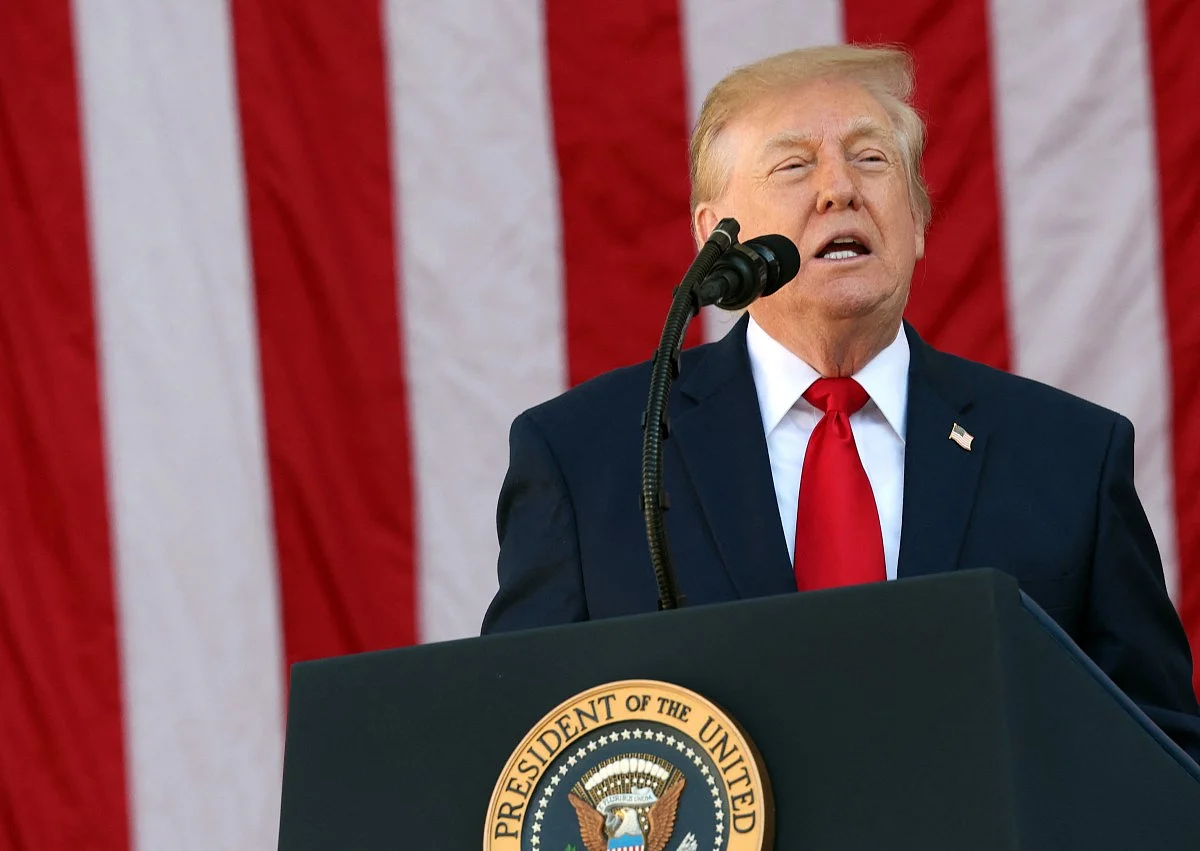
- Talks terminated: On November 12, 2026, U.S. President Donald Trump publicly declared that the United States no longer requires a diplomatic agreement with Iran, ending speculation about imminent bilateral negotiations.
- Leverage asserted: The announcement cited direct U.S. control over the Strait of Hormuz and the retention of hundreds of billions of dollars in Iranian assets as sufficient strategic pressure.
- Executive realignments: Vice President JD Vance’s operational portfolio was redirected toward domestic policy agendas following previous diplomatic explorations and post-midterm shifts.
The context you actually need
- A nine-month conflict cycle: Active military operations involving the U.S., Israel, and Iran began in February 2026, triggering repeated maritime incidents, commercial vessel disruptions, and retaliatory sanctions across the Gulf.
- The chokepoint baseline: The Strait of Hormuz historically facilitates the transit of approximately 20% of global petroleum liquids and liquefied natural gas, making any physical disruption an immediate catalyst for global freight premiums.
- Diplomatic framework collapse: The policy shift supersedes earlier interim frameworks, including an expired June 2026 Memorandum of Understanding, moving administrative strategy from diplomatic compromise to financial containment and maritime enforcement.
What's really happening
The strategic transition from pursuing a diplomatic settlement to enforcing status-quo maritime leverage reflects an incentive recalculation in Washington. By asserting direct operational dominance over the Strait of Hormuz and holding hundreds of billions of dollars in frozen Iranian assets, the administration has signaled that the marginal cost of diplomatic concessions now exceeds the strategic benefit of an enforced containment posture.
This shift reshapes regional commercial mechanics. For nine months following the outbreak of hostilities in February 2026, international operators priced logistical risk against the possibility of a structured bilateral agreement. The administration’s explicit rejection of continued talks removes the diplomatic discount from maritime logistics. Instead, regional navigation now operates under a prolonged enforcement model, where stability relies on naval interdiction rather than negotiated rules of engagement.
Simultaneously, the strategic posture directly impacts domestic and regional stakeholders. The administrative pivot redirects executive capital toward domestic platforms following Republican midterm losses, reducing the bandwidth allocated to high-friction foreign negotiations. For regional energy producers and Gulf logistics hubs, this structural pivot transfers the burden of operational continuity from treaty negotiations to defensive coordination.
The immediate market reaction—an oil price drop exceeding $1 per barrel—demonstrates that markets initially interpreted the assertion of chokepoint control as an easing of near-term escalation risks. However, the operational baseline has transformed. Commercial maritime assets continue to face localized friction, exemplified by active tanker disablements and defensive operations by regional armed forces.
For commercial operators, the strategic calculus shifts from monitoring diplomatic milestones to monitoring tactical naval movements. The financial leverage framework implies that existing sanctions and capital freezes will remain permanent baseline fixtures rather than variable bargaining chips. By cementing control over transit corridors and frozen capital reserves, the dynamic replaces multilateral treaty-making with bilateral economic and naval friction, forcing regional supply chains to permanently absorb localized security overhead into standard unit economics.
Who feels it first (and how)
- Maritime logistics operators: Tanker fleets transiting the Strait must absorb sustained war-risk insurance premiums and adjust navigation protocols despite short-term dips in crude pricing.
- Gulf aviation carriers: Regional airlines operating routes adjacent to defense corridors face ongoing flight re-routings and operational suspensions, exemplified by Akasa Air’s pauses to selected regional cities.
- Energy trading desks: Analysts must reprice supply-shock models, shifting from diplomatic negotiation outcomes to maritime interdiction capacity and localized infrastructure resiliency.
- Regional coastal authorities: Municipal and environmental departments in the UAE and Saudi Arabia carry sustained operational responsibility for containing oil discharge incidents and managing maritime search-and-rescue tasks.
What to watch next
- Naval commercial escorts: The scale and operational frequency of U.S. and allied naval patrols through the Strait will establish the baseline security cost for international commercial shipping.
- GCC defense alignment: Joint security meetings across Gulf states will signal the operational speed of regional air and maritime defense integration.
- Asset reallocation maneuvers: Any formal steps by Washington to reallocate or leverage the referenced Iranian capital reserves will indicate the next phase of economic containment.
The U.S. administration has halted diplomatic engagement with Tehran, citing asset controls and naval dominance in the Strait of Hormuz as sufficient leverage.
Commercial maritime insurance rates for Gulf passages will remain structurally elevated above pre-February 2026 baselines to balance intermittent tanker security incidents.
Whether tactical incidents in the Strait of Hormuz can be fully suppressed through defensive naval presence alone without escalating regional commercial shipping disruptions.
Frequently Asked Questions
- Why it matters?
- The formal pivot from negotiated settlements to maritime containment in the Gulf resets risk pricing across global energy corridors handling 20% of the world's petroleum supply.
- What happened (in 30 seconds)?
- Talks terminated: On November 12, 2026, U.S. President Donald Trump publicly declared that the United States no longer requires a diplomatic agreement with Iran, ending speculation about imminent bilateral negotiations. Leverage asserted: The announcement cited direct U.S. control over the Strait of Hormuz and the retention of hundreds of billions of dollars in Iranian assets as sufficient strategic pressure. Executive realignments: Vice President JD Vance’s operational portfolio was redirected
- What's really happening?
- The strategic transition from pursuing a diplomatic settlement to enforcing status-quo maritime leverage reflects an incentive recalculation in Washington. By asserting direct operational dominance over the Strait of Hormuz and holding hundreds of billions of dollars in frozen Iranian assets, the administration has signaled that the marginal cost of diplomatic concessions now exceeds the strategic benefit of an enforced containment posture. This shift reshapes regional commercial mechanics. For
- Who feels it first (and how)?
- Maritime logistics operators: Tanker fleets transiting the Strait must absorb sustained war-risk insurance premiums and adjust navigation protocols despite short-term dips in crude pricing. Gulf aviation carriers: Regional airlines operating routes adjacent to defense corridors face ongoing flight re-routings and operational suspensions, exemplified by Akasa Air’s pauses to selected regional cities. Energy trading desks: Analysts must reprice supply-shock models, shifting from diplomatic negotia
- What to watch next?
- Naval commercial escorts: The scale and operational frequency of U.S. and allied naval patrols through the Strait will establish the baseline security cost for international commercial shipping. GCC defense alignment: Joint security meetings across Gulf states will signal the operational speed of regional air and maritime defense integration. Asset reallocation maneuvers: Any formal steps by Washington to reallocate or leverage the referenced Iranian capital reserves will indicate the next phase
Comprehensive coverage of Middle Eastern and global issues.
"Al Jazeera is a prominent voice from the Global South, especially the Middle East, with an emphasis on underreported stories."
— A47 Editor
Iran war live: Riyadh, China discuss Houthis as group claims Aramco attacks
Saudi-led coalition forces intercepted Houthi drones heading for Riyadh as the Yemeni rebel group claimed attacks on energy facilities, including Saudi Aramco, according to Al Jazeera's live coverage of the wider Iran war. Riyadh and China reportedly...
Global news coverage with extensive reporting on Middle Eastern conflicts and geopolitics.
"Al Jazeera is a Qatar-based broadcaster known for wide regional coverage and alternative perspectives."
— A47 Editor
Iran war live: Trump says Gulf allies urged pause in Iran strikes
Saudi-led coalition forces intercepted Houthi drones heading for Riyadh as the Yemeni rebel group claimed attacks on energy facilities, including Saudi Aramco, according to Al Jazeera's live coverage of the wider Iran war. Riyadh and China reportedly...
Breaking news and analysis from the UAE and Gulf region.
"Khaleej Times is a long-running UAE publication with broad regional coverage."
— A47 Editor
'We've got their Strait': Trump says US does not need a deal with Iran
U.S. President Donald Trump said the United States does not need a deal with Iran, declaring "We've got their Strait," a reference to the Strait of Hormuz, according to a Khaleej Times report. The remarks, published on November 12, 2026, present Wash...
Regional coverage and analysis focused on politics, diplomacy, and business across the Middle East.
"Al-Monitor is known for analytical reporting on Middle East politics and policy developments."
— A47 Editor
Saudi Arabia intercepts Houthi missiles, drones; group denies targeting Mecca
Saudi air defences intercepted Houthi missiles and drones launched toward Riyadh, Mecca and other regions on Wednesday, November 11, as hostilities between the Iran-aligned Houthi group and the Saudi-led military coalition worsened; the coalition sai...
UAE-based newspaper covering Gulf politics, society, and international developments.
"Gulf News is one of the UAE’s most prominent English-language publications."
— A47 Editor
Saudi coalition says intercepted 3 Houthi missiles fired at Riyadh
Saudi Arabia's coalition said it intercepted three Houthi missiles fired toward Riyadh, according to the base report from Gulf News. Coverage from The National, Al Jazeera and Saudi Gazette describes the interceptions as part of an ongoing escalation...
A curated Gulf News feed featuring major stories across news, business, opinion, and lifestyle.
"Gulf News is a major UAE newspaper whose featured stories feed reflects a broad editorial mix shaped for a Gulf audience."
— A47 Editor
Saudi coalition says intercepted 3 Houthi missiles fired at Riyadh
Saudi Arabia's coalition said it intercepted three Houthi missiles fired toward Riyadh, according to the base report from Gulf News. Coverage from The National, Al Jazeera and Saudi Gazette describes the interceptions as part of an ongoing escalation...
Regional coverage and analysis focused on politics, diplomacy, and business across the Middle East.
"Al-Monitor is known for analytical reporting on Middle East politics and policy developments."
— A47 Editor
Saudi-led coalition reports Houthi missile, drone interceptions; Saba reports Saudi strikes on Sanaa
Saudi Arabia's Saudi-led coalition in Yemen said on Tuesday it intercepted two missiles launched by the Iran-aligned Houthis toward Riyadh, a ballistic missile aimed at the kingdom's southern region, and a drone over the oil-rich Eastern Province, du...
English-language reporting on Saudi politics, policy, and society.
"Saudi Gazette reflects mainstream Saudi institutional perspectives."
— A47 Editor
Air defenses intercept Houthi cruise and ballistic missiles targeting Riyadh
Saudi air defenses intercepted and destroyed a Houthi-launched cruise missile toward Riyadh and a ballistic missile toward the capital, the Coalition to Support Legitimacy in Yemen announced, while Saudi Civil Defense issued an early warning alert to...
English-language reporting focused on Saudi Arabia and regional affairs.
"Saudi Gazette provides English-language coverage that often aligns with mainstream Saudi news priorities."
— A47 Editor
Air defenses intercept Houthi cruise and ballistic missiles targeting Riyadh
Saudi air defenses intercepted and destroyed a Houthi-launched cruise missile toward Riyadh and a ballistic missile toward the capital, the Coalition to Support Legitimacy in Yemen announced, while Saudi Civil Defense issued an early warning alert to...
Regional coverage and analysis focused on politics, diplomacy, and business across the Middle East.
"Al-Monitor is known for analytical reporting on Middle East politics and policy developments."
— A47 Editor
Saudi official inspects Aramco Riyadh office after Houthi attack
Saudi Arabia's deputy governor of Riyadh, Prince Mohammed bin Abdulrahman bin Abdulaziz, inspected an Aramco administrative building in the capital that was damaged in an attack by Yemen's Iran-aligned Houthi group, state news agency SPA reported. Th...
UAE-based English-language newspaper covering regional politics, economics, and global affairs.
"The National reflects Emirati policy perspectives while maintaining international editorial standards."
— A47 Editor
Middle East latest: Saudi coalition intercepts missiles fired at Riyadh
Saudi Arabia said its coalition intercepted missiles fired by Yemen's Houthi rebels toward Riyadh, while falling debris from the interceptions damaged a building operated by state oil giant Aramco in the capital's financial district, according to a S...