
Western Intelligence Flags Possible Russian Launch of Nuclear-Armed Satellite Violating Outer Space Treaty as Early as December 2026
Why it matters
The weaponization of low-Earth orbit compromises foundational space infrastructure, threatening the dual-use digital backbone that powers global transport, corporate networks, and financial data flows.
What happened (in 30 seconds)
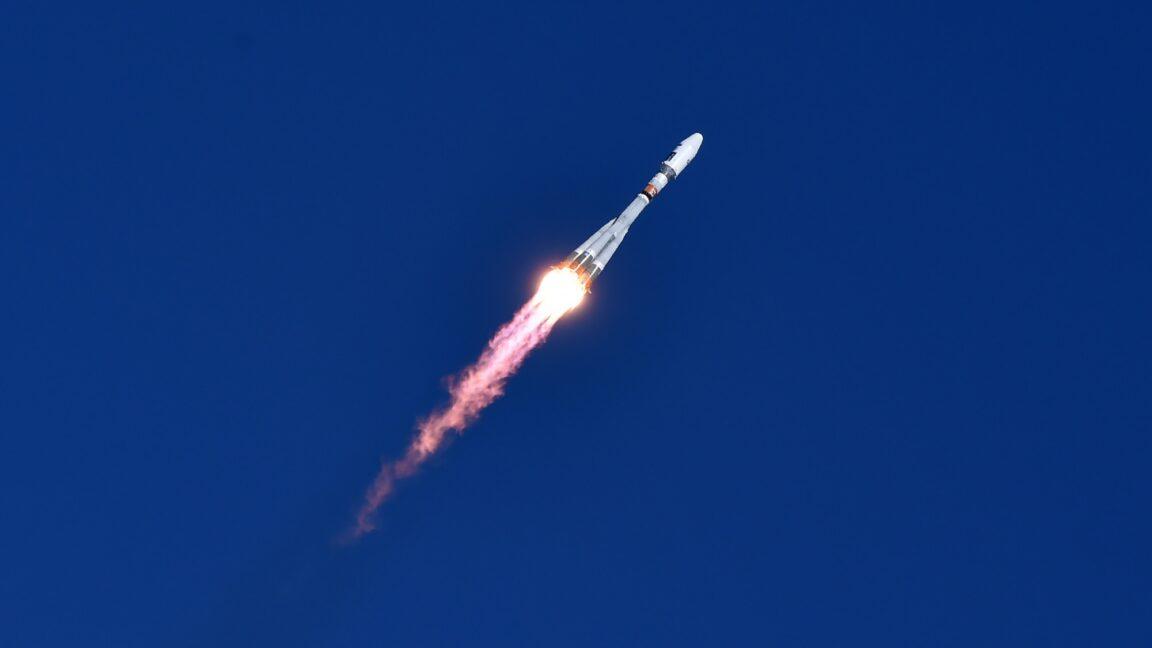
- Intelligence leaks emerge: Western intelligence shared across NATO partners indicates Russia is preparing an assembled satellite, designated Sputnik-S, for potential orbital deployment as early as December 2026.
- Treaty breach risk: The planned deployment of a nuclear-armed device violates the 1967 Outer Space Treaty, shifting the operational baseline from ground-based anti-satellite weapons to active orbital nuclear deterrence.
- Diplomatic denials: Russian government officials, including spokesman Dmitry Peskov, dismissed the European media reports as unsubstantiated, while Western defense officials confirmed heightened surveillance of the Moscow-stored asset.
The context you actually need
- A multi-year progression: The United States Defense Intelligence Agency first flagged Moscow's space-based nuclear ambitions in early 2024, following a 2022 Russian test satellite designed to evaluate orbital radiation effects.
- The destruction baseline: Research cited by New Scientist indicates an orbital nuclear explosion could disable or destroy 98% of satellites in low-Earth orbit within one week due to lingering radiation belts.
- The regulatory architecture: The 1967 Outer Space Treaty explicitly bars signatories, including Russia and the United States, from placing nuclear weapons or weapons of mass destruction into Earth's orbit.
What's really happening
The reported preparation of the Sputnik-S platform represents a structural shift in how nations approach space architecture vulnerabilities. Rather than relying on kinetic interceptors that target individual satellites and generate trackable debris fields, a nuclear detonation in low-Earth orbit relies on radiation propagation. An unshielded atmospheric or orbital blast creates artificial radiation belts that degrade solar arrays and electronics indiscriminately. For any nation with fewer commercial and military assets in orbit, the asymmetric balance tilts heavily: neutralizing an adversary's distributed satellite fleet requires only a single orbital detonation.
Western commercial logistics and defense operations rely disproportionately on megaconstellations in low-Earth orbit, such as Starlink, alongside government-operated reconnaissance and communications hardware. Russia’s domestic commercial footprint in low-Earth orbit is comparatively smaller, shifting strategic incentives away from long-term orbital preservation toward high-leverage denial capabilities. Storing an assembled weapon near Moscow provides tactical leverage in negotiations surrounding geopolitical conflicts, particularly the war in Ukraine, where commercial satellite networks provide clear operational advantages to opposing forces.
The legal dimension compounds the operational friction. The 1967 Outer Space Treaty has served as the baseline regulatory regime preventing orbital weaponization for nearly six decades. An operational deployment by a signatory state effectively collapses that regime, replacing coordinated legal norms with defensive militarization. Because current orbital defenses cannot intercept co-orbital nuclear devices once deployed, space-faring nations face pressure to shift procurement budgets from scientific and commercial exploration toward orbital monitoring, satellite radiation hardening, and rapid constellation reconstitution.
Who feels it first (and how)
- Commercial satellite network operators: Starlink and scientific fleet operators face catastrophic asset write-downs and insurance repricing if high-radiation risks become permanent in low-Earth orbit.
- Logistics, aviation, and maritime directors: Global supply chains depend on constant satellite positioning and timing; service interruptions immediately stall automated tracking and transoceanic routing.
- Enterprise hubs in Dubai and global financial centers: High-frequency trade desks, telecom carriers, and distributed corporate offices reliant on orbital data links face structural business-continuity reconfigurations.
What to watch next
- Launch manifest activity at Russian spaceports: Tactical launch preparations or unusual vehicle assembly at designated facilities will signal whether Sputnik-S moves from storage to an active launch pad.
- NATO unified space doctrine revisions: Formal meetings among allied space commands, including Germany's Bundeswehr Space Command, will indicate whether defense spending immediately shifts toward orbital radiation hardening.
- Outer Space Treaty compliance challenges: Formal diplomatic sessions at international bodies will test whether neutral and non-aligned space-faring states push for verification protocols.
Western intelligence assessments state Russia has built and stored Sputnik-S; the 1967 Outer Space Treaty prohibits orbital nuclear arms; a detonation could disable 98% of low-Earth orbit assets within days.
Russia will continue using ambiguous launch timelines to project deterrent leverage against Western satellite networks without confirming an immediate launch window.
Whether Sputnik-S carries a live warhead ready for imminent deployment, or whether the platform remains an uncrewed test vehicle intended purely for diplomatic leverage.
Frequently Asked Questions
- Why it matters?
- The weaponization of low-Earth orbit compromises foundational space infrastructure, threatening the dual-use digital backbone that powers global transport, corporate networks, and financial data flows.
- What happened (in 30 seconds)?
- Intelligence leaks emerge: Western intelligence shared across NATO partners indicates Russia is preparing an assembled satellite, designated Sputnik-S, for potential orbital deployment as early as December 2026. Treaty breach risk: The planned deployment of a nuclear-armed device violates the 1967 Outer Space Treaty, shifting the operational baseline from ground-based anti-satellite weapons to active orbital nuclear deterrence. Diplomatic denials: Russian government officials, including spokesma
- What's really happening?
- The reported preparation of the Sputnik-S platform represents a structural shift in how nations approach space architecture vulnerabilities. Rather than relying on kinetic interceptors that target individual satellites and generate trackable debris fields, a nuclear detonation in low-Earth orbit relies on radiation propagation. An unshielded atmospheric or orbital blast creates artificial radiation belts that degrade solar arrays and electronics indiscriminately. For any nation with fewer commer
- Who feels it first (and how)?
- Commercial satellite network operators: Starlink and scientific fleet operators face catastrophic asset write-downs and insurance repricing if high-radiation risks become permanent in low-Earth orbit. Logistics, aviation, and maritime directors: Global supply chains depend on constant satellite positioning and timing; service interruptions immediately stall automated tracking and transoceanic routing. Enterprise hubs in Dubai and global financial centers: High-frequency trade desks, telecom carr
- What to watch next?
- Launch manifest activity at Russian spaceports: Tactical launch preparations or unusual vehicle assembly at designated facilities will signal whether Sputnik-S moves from storage to an active launch pad. NATO unified space doctrine revisions: Formal meetings among allied space commands, including Germany's Bundeswehr Space Command, will indicate whether defense spending immediately shifts toward orbital radiation hardening. Outer Space Treaty compliance challenges: Formal diplomatic sessions at
Science and technology stories including AI.
"Longstanding science magazine with thoughtful AI coverage."
— A47 Editor
Secrecy surrounds claims of Russia’s push for nukes in space
Secrecy surrounds claims that Russia is pursuing a push to place nuclear weapons in space, despite international prohibitions on such deployments and the catastrophic effects a space detonation could have. Scientific American reports that some expert...
Scientific research, technology, environment, and society.
"Scientific American is one of the oldest and most authoritative science magazines, known for deep dives into science, technology, and society."
— A47 Editor
Secrecy surrounds claims of Russia’s push for nukes in space
Secrecy surrounds claims that Russia is pursuing a push to place nuclear weapons in space, despite international prohibitions on such deployments and the catastrophic effects a space detonation could have. Scientific American reports that some expert...
In-depth reporting on tech, policy, and science including AI.
"Respected analysis for technically savvy readers, including AI topics."
— A47 Editor
Reports: Russia may launch nuclear weapon into orbit as soon as next month
Reports indicate Russia may launch a nuclear weapon into orbit as soon as next month, according to Ars Technica. The base article warns that a nuclear detonation in space "could cause rapid and sudden loss or degradation of thousands of satellites."
In-depth coverage of hardware, software, science, and policy.
"Ars Technica provides expert technology news, hardware reviews, and analysis for a technically savvy audience."
— A47 Editor
Reports: Russia may launch nuclear weapon into orbit as soon as next month
Reports indicate Russia may launch a nuclear weapon into orbit as soon as next month, according to Ars Technica. The base article warns that a nuclear detonation in space "could cause rapid and sudden loss or degradation of thousands of satellites."
Top international stories selected by The Guardian editors.
"The Guardian is known for its progressive editorial stance and in-depth analysis."
— A47 Editor
Germany taking seriously reports Russia may be planning to launch nuclear weapons into space
The German government said it is taking very seriously reports that Russia may be planning to launch a satellite armed with a nuclear weapon into space later this year, according to the base article published by The Guardian. The move, if confirmed, ...