
US Revokes License for Iranian Oil Sales Following Strait of Hormuz Attacks
Here's what it means for you.
The U.S. decision to revoke the license for Iranian oil sales signals a significant escalation in tensions within the Strait of Hormuz, a vital maritime corridor. This move underscores the U.S. commitment to countering Iranian aggression, which could have far-reaching implications for global oil markets and regional stability. Stakeholders in the energy sector should prepare for potential disruptions as the U.S. maintains a hardline stance against Iran. As diplomatic negotiations continue, the situation remains fluid, and any retaliatory actions from Iran could further complicate the landscape. Companies operating in or near the region may need to reassess their risk management strategies in light of these developments.
What happened
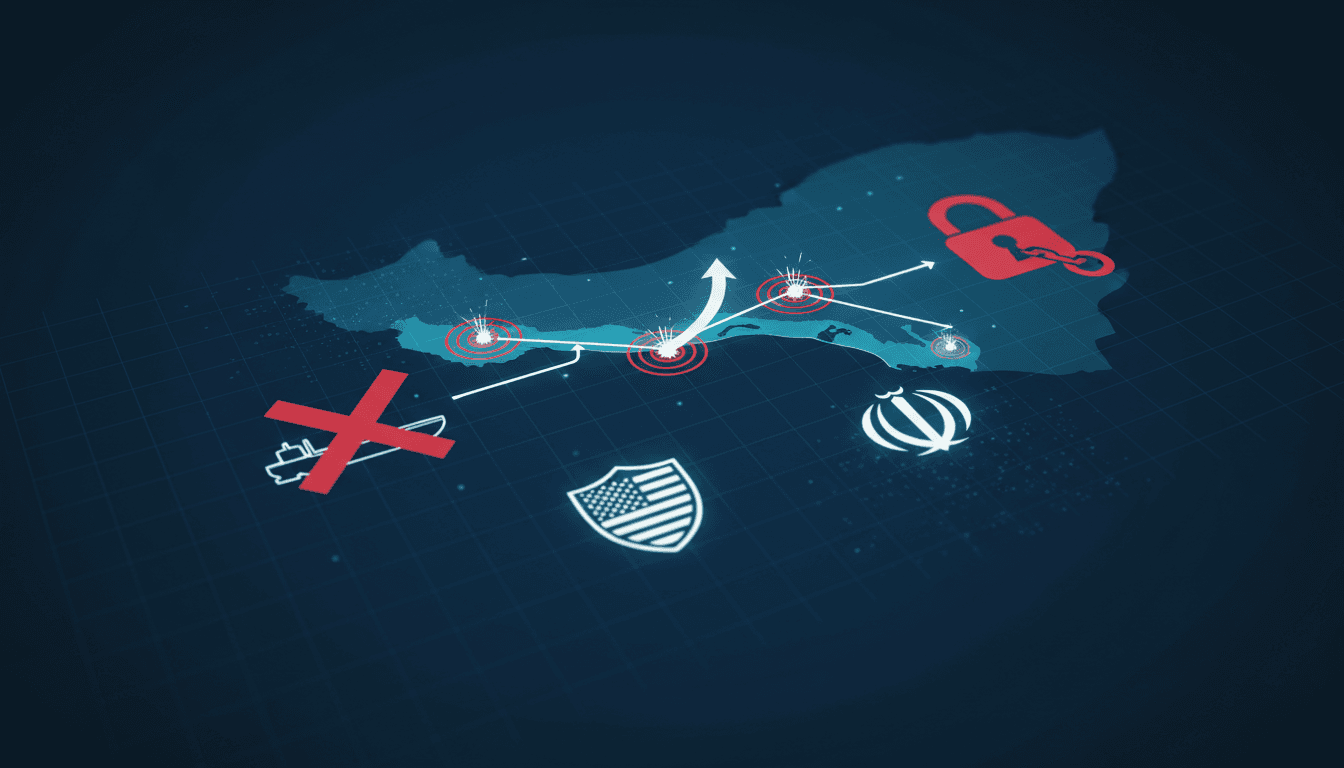
The U.S. Treasury Department has revoked a license that allowed the sale of Iranian oil, a decision made in direct response to recent attacks on three vessels in the Strait of Hormuz. These attacks involved a Qatari gas tanker and a Saudi oil tanker, highlighting the escalating tensions in this critical maritime region. The revocation of the license occurred on July 7, 2026, coinciding with the attacks on the tankers.
Despite a temporary ceasefire agreement between the U.S. and Iran, the incidents have prompted the U.S. to raise the threat level in the Strait of Hormuz to severe. This action reflects the U.S. government's ongoing commitment to ensuring maritime security and countering Iranian influence.
The Context
The Strait of Hormuz is a crucial shipping lane for global oil transport, making any disruptions particularly significant for international markets. The recent attacks have drawn condemnation from both Saudi Arabia and Qatar, indicating a broader regional concern regarding Iranian actions. The U.S. continues to secure commercial convoys in the area, emphasizing its role in maintaining stability amidst heightened threats.
The timing of these events is critical, as they come during ongoing negotiations for a potential agreement with Iran. The U.S. stance against Iranian aggression is likely to remain firm, complicating diplomatic efforts and increasing the risk of further conflict in the region.
Takeaway
Looking ahead, it is essential to monitor further developments in U.S.-Iran negotiations, as the potential for diplomatic resolution remains. Additionally, stakeholders should be vigilant for any retaliatory actions from Iran in response to the U.S. sanctions, which could escalate tensions further. The situation in the Strait of Hormuz is precarious, and the implications for global oil markets and regional security are significant.
As the U.S. maintains its hardline approach, the dynamics of the relationship between the two nations will continue to evolve, impacting both policy and market conditions.
Arabic-language coverage of political affairs and current events.
"Okaz political coverage typically follows mainstream Saudi framing on national and regional affairs."
— A47 Editor
ألغت إعفاء لبيع نفطها.. أمريكا تتوعد إيران بالعواقب بعد هجمات هرمز
A U.S. official has warned Iran of consequences due to its actions in the Strait of Hormuz, stating that the U.S. does not accept Iranian practices in this vital waterway. The U.S. Treasury has revoked a decision allowing the sale of Iranian oil, fol...
Pan-Arab news coverage spanning politics, business, sports, and regional affairs.
"Asharq Al-Awsat reflects a broad Arab editorial perspective with strong attention to regional geopolitics."
— A47 Editor
مسؤول: أميركا ستلغي ترخيصاً كان يجيز بيع النفط الإيراني
A U.S. official announced on Tuesday that the United States will revoke a general license that permitted the sale of Iranian oil, citing Iran's actions in the Strait of Hormuz as completely unacceptable.
Arabic-language coverage of international news and geopolitics.
"RT Arabic is a Russian state-funded outlet often criticized for promoting Kremlin-aligned narratives."
— A47 Editor
وزارة الخزانة الأمريكية تلغي قرارا يسمح ببيع النفط الإيراني
The U.S. Treasury Department has revoked a decision that allowed the sale of Iranian oil following attacks on three tankers in the Strait of Hormuz. This action reflects heightened tensions in the region and underscores the ongoing challenges surroun...