
Iraq implements dollar controls to curb funds to Iran-backed militias
Here's what it means for you.
Iraq's decision to implement dollar controls signals a significant shift in its financial policy, particularly in relation to U.S. interests and Iranian influence in the region. This move may reshape the financial dynamics for Iran-backed groups operating within Iraq, potentially limiting their resources. Stakeholders in the region, including U.S. policymakers and Iraqi officials, will need to monitor the effectiveness of these controls closely. The implications of this agreement extend beyond immediate financial transactions, as it reflects Iraq's ongoing balancing act between competing geopolitical pressures.
What happened
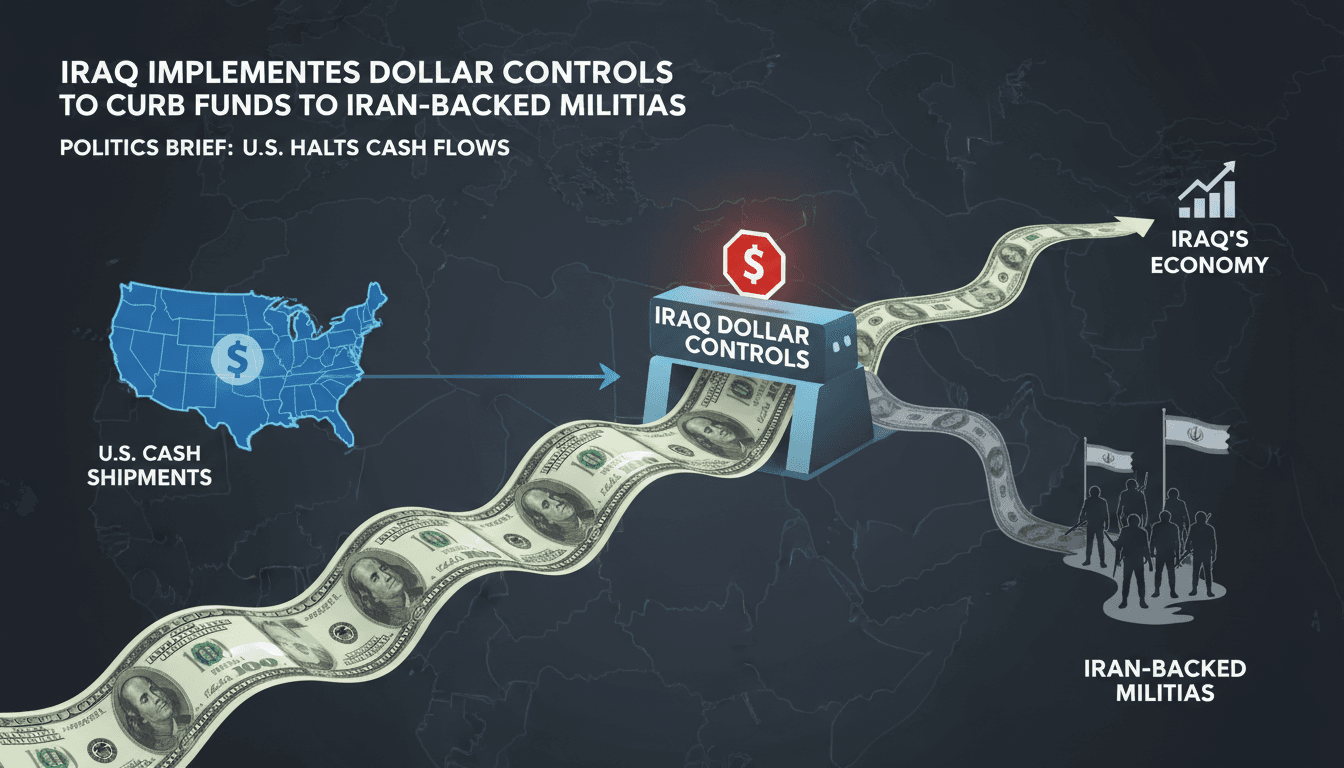
Iraq has agreed to halt dollar flows to Iran-backed militias in exchange for the resumption of U.S. currency shipments to Baghdad. This decision comes after a four-month suspension of U.S. cash shipments, highlighting the urgency of the situation. The agreement aims to limit the financial resources available to Iranian proxies operating in the region.
This move is part of broader U.S. efforts to curb Iranian influence, which has been a point of contention in Iraq's foreign relations. The resumption of dollar shipments is expected to have immediate effects on the financial landscape in Iraq.
The Context
The agreement reflects the complex geopolitical landscape in which Iraq operates, balancing U.S. interests against its relationship with Iran. The U.S. administration has been actively involved in shaping Iraq's financial policies, particularly in light of ongoing tensions regarding Iran's influence.
The four-month suspension of U.S. currency shipments underscores the significance of this agreement, as it marks a critical juncture in Iraq's financial strategy. As Iraq implements these new dollar controls, the reactions from Iran and its allied militias will be crucial to watch.
Takeaway
As Iraq moves forward with the implementation of these dollar controls, the effectiveness of the measures in limiting Iranian influence will be closely observed. The potential repercussions for U.S.-Iraq relations will also be significant, as both nations navigate this new financial landscape.
Monitoring the reactions from Iran and its allied militias will provide insight into the broader implications of this agreement. The evolving dynamics in Iraq's financial policies may set the stage for future geopolitical developments in the region.
Pan-Arab news coverage spanning politics, business, sports, and regional affairs.
"Asharq Al-Awsat reflects a broad Arab editorial perspective with strong attention to regional geopolitics."
— A47 Editor
تقرير: العراق وافق على وقف تدفقات الدولار إلى فصائل مدعومة من إيران
A recent report indicates that Iraq has agreed to implement new controls aimed at preventing the flow of U.S. dollars to Iran and its allied armed factions. This decision comes amid ongoing concerns regarding the influence of these groups in the regi...
Currency market headlines, FX rates, central-bank chatter, and macro drivers moving major pairs.
"Investing.com’s forex stream is useful for fast updates across USD, EUR, JPY, GBP and emerging-market FX."
— A47 Editor
Iraq reportedly agrees to new dollar controls to resume U.S. cash shipments
Iraq has reportedly agreed to implement new dollar controls to facilitate the resumption of cash shipments from the United States, a significant move aimed at stabilizing its economy. This agreement comes amid ongoing financial challenges faced by Ir...
Global political, business, and cultural coverage from WSJ international desks.
"The Wall Street Journal offers extensive international reporting with a reputation for financial insight and a center-right editorial stance."
— A47 Editor
Iraq Agrees to U.S. Demands to Halt Dollar Flows to Iran-Backed Militias
Iraq has agreed to halt dollar flows to Iran-backed militias in exchange for the U.S. lifting a four-month suspension of currency shipments to Baghdad, a decision that underscores the ongoing negotiations between the two nations.