
Trump shifts U.S. policy on Strait of Hormuz to investment deals with Gulf states
Here's what it means for you.
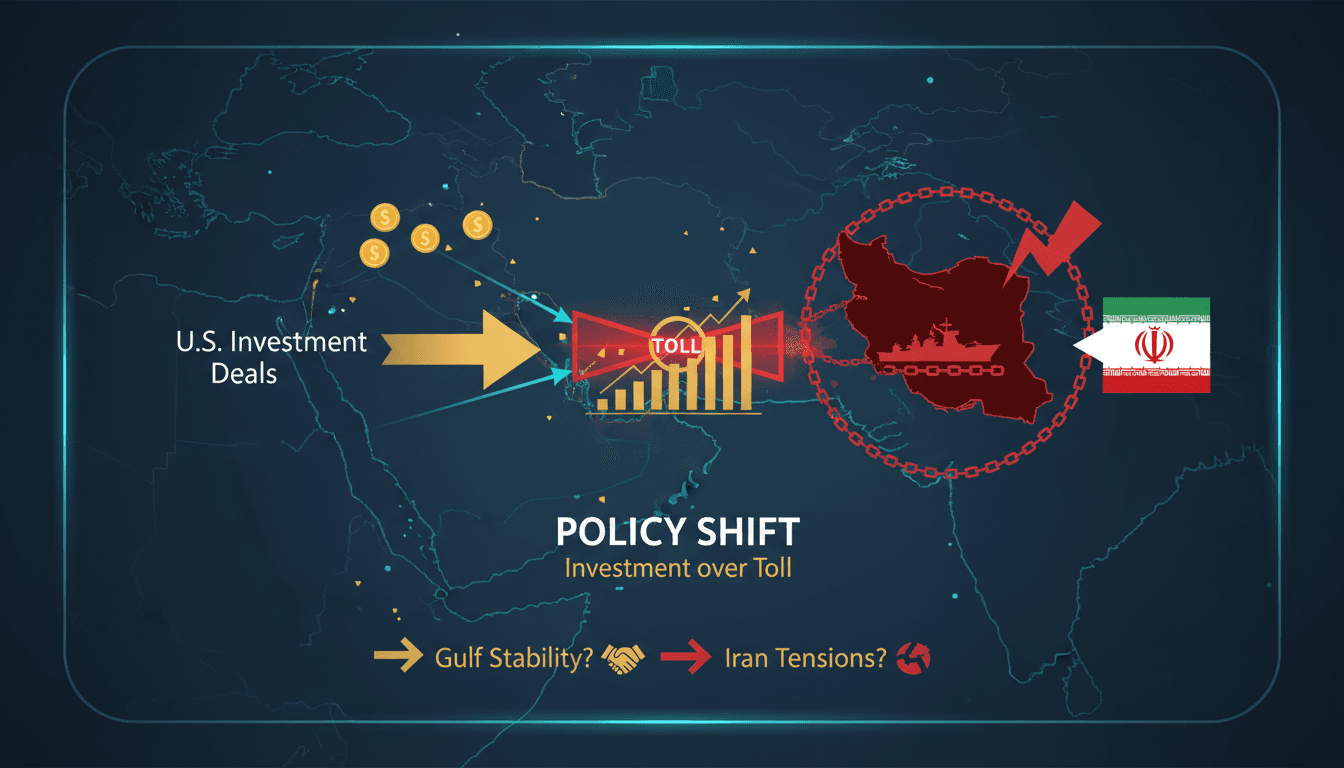
Former President Trump's recent policy shift regarding the Strait of Hormuz signals a significant change in U.S. foreign relations, particularly with Gulf states. By opting for investment deals rather than imposing a toll for passage, the U.S. aims to strengthen economic ties in a region critical for global oil shipments. This move could reshape the geopolitical landscape, impacting both market dynamics and regional security. The decision comes at a time of heightened tensions with Iran, which has prompted the U.S. to reimpose a naval blockade on Iranian ports. Stakeholders in the oil and investment sectors should closely monitor how these developments may influence trade routes and economic partnerships in the Gulf region.
What happened
On July 14, 2026, Trump announced a significant shift in U.S. policy concerning the Strait of Hormuz, replacing the proposed 20% toll on passage with investment agreements with Gulf states. This decision reflects a strategic pivot aimed at enhancing economic collaboration with these nations. The announcement coincided with the U.S. reimposing a naval blockade on Iranian ports, underscoring the ongoing tensions in the region.
The toll, initially set at 20%, highlighted the economic implications of maritime trade through this vital chokepoint. By moving towards investment deals, the U.S. seeks to foster stronger alliances with Gulf states while navigating the complexities of regional security.
The Context
The Strait of Hormuz is a critical maritime chokepoint for global oil shipments, making it a focal point of international trade and geopolitical strategy. Iran has long been a source of instability in the region, prompting various military responses from the U.S. and its allies. The shift in policy towards investment deals may serve to bolster U.S. ties with Gulf states amid these ongoing tensions.
As the U.S. reestablishes its naval presence in the region, the implications of this policy change could lead to increased economic collaboration with Gulf nations. This strategic pivot is essential for understanding the evolving dynamics of U.S.-Middle East relations and the potential for future conflicts.
Takeaway
The implications of Trump's policy shift could significantly reshape U.S. relations with Gulf states while escalating tensions with Iran. Observers should monitor Iran's response to the reimposed naval blockade, as well as any forthcoming investment agreements between the U.S. and Gulf nations. These developments will be crucial in assessing the future of regional security and economic collaboration.
As the situation unfolds, stakeholders in the energy and investment sectors should remain vigilant. The evolving landscape may present both opportunities and challenges that will require careful navigation in the coming months.
UAE-based English-language newspaper covering regional politics, economics, and global affairs.
"The National reflects Emirati policy perspectives while maintaining international editorial standards."
— A47 Editor
Trump drops 20% Hormuz toll in favour of deals with Gulf states
Former President Donald Trump has decided to abandon his proposed 20% toll on cargo ships passing through the Strait of Hormuz, opting instead to pursue investment deals with Gulf states. This shift comes amid rising tensions with Iran and follows hi...
Oil, metals, and agriculture: supply/demand headlines, OPEC chatter, inventories, and price action.
"Solid tape for energy and metals traders tracking macro and micro catalysts."
— A47 Editor
Trump says US will take investment deals with Gulf states instead of fee for using Strait of Hormuz
President Trump announced that the United States will no longer impose a proposed fee on cargo passing through the Strait of Hormuz, opting instead to seek investment deals with Gulf states. This decision comes amid heightened military tensions in th...
UAE-based English-language newspaper covering regional politics, economics, and global affairs.
"The National reflects Emirati policy perspectives while maintaining international editorial standards."
— A47 Editor
Iran war latest: US reimposes naval blockade on Iranian ports
The United States has reinstated a naval blockade on Iranian ports, a move announced by President Donald Trump amid escalating tensions between the two nations. This blockade includes a 20% toll on all cargo passing through the strategically signific...