
Iranian Parliament Proposes New Law on Strait of Hormuz Amid Rising US Tensions
Here's what it means for you.
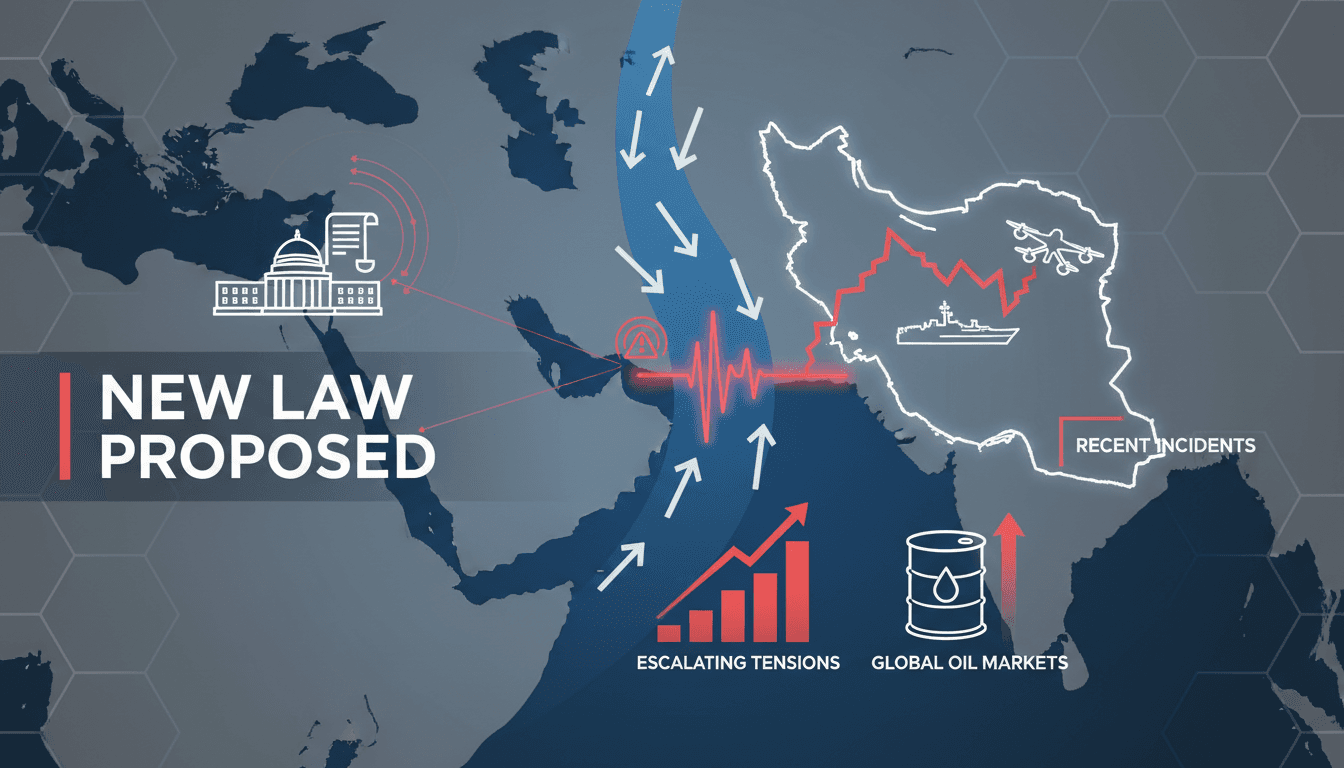
The Iranian parliament's move to draft a new law regarding the Strait of Hormuz signals a significant escalation in tensions with the United States. This legislative action could lead to increased military responses and further strain U.S.-Iran relations, which may have profound implications for global oil markets. Stakeholders in the energy sector should closely monitor developments, as any instability in this critical maritime chokepoint could disrupt oil shipments and elevate prices. As Iran seeks to assert its control over the Strait, the potential for conflict remains high. The situation warrants attention from policymakers and market analysts alike, given its implications for regional stability and international trade.
What happened
Iran's parliament is currently drafting a new law focused on the Strait of Hormuz, a vital maritime route for global oil shipments. This legislative initiative follows a series of military clashes and incidents involving U.S. drones in the region. The Iranian lawmakers are responding to these heightened tensions with measures aimed at reinforcing their stance on maritime security.
Recent reports have highlighted explosions and naval confrontations in the Strait of Hormuz and the Sea of Oman, underscoring the volatility of the area. The proposed law reflects Iran's intent to address these challenges directly and assert its influence over this critical chokepoint.
The Context
The Strait of Hormuz is recognized as a crucial passage for oil exports from the Persian Gulf, making it a focal point of geopolitical conflict. The recent military engagements have intensified the already strained relations between Iran and the United States, with both sides demonstrating a willingness to engage in confrontational tactics.
Iranian lawmakers are taking legislative action in response to U.S. military activities, which they perceive as a direct threat to their sovereignty. The timing of this proposal coincides with ongoing tensions, highlighting the urgency for Iran to establish a legal framework that could support its strategic interests in the region.
Takeaway
The developments surrounding the Strait of Hormuz suggest a precarious future for U.S.-Iran relations, with potential ramifications for global oil markets. Observers should watch for possible military responses from the U.S. in reaction to Iran's legislative actions, as these could further escalate tensions.
Additionally, further developments in maritime security discussions between Iran and the U.S. will be critical to monitor, as they may influence the stability of the region and the flow of oil shipments. The situation remains fluid, and the implications for international trade and energy prices could be significant.
Jordanian news and regional updates.
"Roya News is a Jordanian outlet focused on breaking news and local affairs."
— A47 Editor
إعلام إيراني: انفجارات واشتباكات بحرية في مضيق هرمز وبحر عمان
Iranian media reported explosions and naval clashes occurring in the Strait of Hormuz and the Sea of Oman, indicating heightened tensions in a strategically significant maritime region. These incidents are part of ongoing geopolitical conflicts invol...
Pan-Arab news coverage spanning politics, business, sports, and regional affairs.
"Asharq Al-Awsat reflects a broad Arab editorial perspective with strong attention to regional geopolitics."
— A47 Editor
البرلمان الإيراني يعود… و«هرمز» يتصدر أولوياته
The Iranian parliament has re-entered the political arena, focusing on the escalating confrontation with the United States regarding the strategic Strait of Hormuz. This development highlights the ongoing tensions between Iran and the U.S., particula...
Pan-Arab political news and analysis.
"Al-Quds Al-Arabi is a London-based Arabic newspaper known for political coverage."
— A47 Editor
نواب إيرانيون سيقدّمون مشروع قانون يتعلق بمضيق هرمز
Iranian lawmakers, led by Ibrahim Azizi, are set to introduce a new bill concerning the strategic Strait of Hormuz, a vital waterway for global oil shipments. The proposal is expected to address various geopolitical and economic aspects related to th...