
US to reimpose naval blockade on Iran starting July 15, 2026
Here's what it means for you.
The U.S. decision to reimpose a naval blockade on Iran signals a significant escalation in geopolitical tensions, particularly affecting maritime security and global oil markets. As warships prepare to seal off Iranian ports, stakeholders in shipping and energy sectors should brace for potential disruptions. The blockade may lead to increased confrontations in the Strait of Hormuz, a critical chokepoint for oil transportation. This development could have far-reaching implications for international trade and energy prices, as Iran-linked vessels adapt their routes to evade detection. Companies operating in these regions will need to closely monitor the evolving situation.
What happened
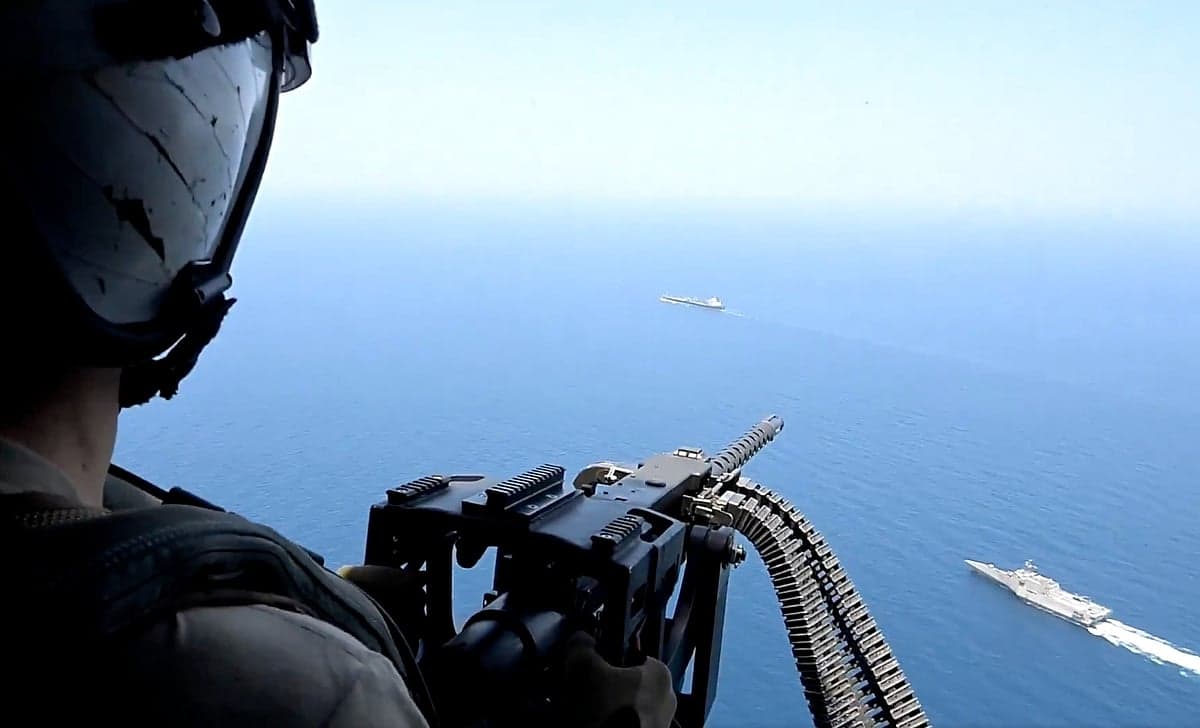
The U.S. is set to reimpose a naval blockade on Iran, with warships ready to seal off Iranian ports starting at midnight on July 15, 2026. In anticipation of this blockade, Iran-linked vessels are currently navigating through the Strait of Hormuz, employing various evasion tactics to avoid detection. This maneuvering underscores the ongoing tensions between the U.S. and Iran, as both sides prepare for a strategic standoff.
The blockade represents a significant escalation in U.S.-Iran relations, aiming to restrict Iranian maritime activities. As the deadline approaches, the situation remains fluid, with both nations adjusting their maritime strategies.
The Context
The reimposition of the naval blockade is rooted in long-standing tensions between the U.S. and Iran, particularly regarding Iran's maritime operations and its influence in the region. The U.S. aims to limit Iranian access to international waters, which could have implications for global shipping routes and oil markets. Iran's "dark fleet," known for its clandestine operations, is already adapting by employing evasion tactics to circumvent detection.
The timing of the blockade is critical, as it coincides with heightened military readiness in the region. Stakeholders, including shipping companies and oil markets, are closely monitoring developments, as the blockade could lead to increased maritime confrontations.
Takeaway
As the U.S. prepares to implement the naval blockade, observers should watch for the movements of Iranian vessels in the Strait of Hormuz. The potential for military engagements or escalations in the region is high, as both sides adapt to the new maritime landscape. The situation may lead to increased confrontations, impacting not only regional security but also global shipping and oil markets.
Maritime trackers will be essential in analyzing the tactics employed by Iran's fleet as they navigate the challenges posed by the blockade. The evolving dynamics will require ongoing attention from policymakers and industry leaders alike.
Oil, metals, and agriculture: supply/demand headlines, OPEC chatter, inventories, and price action.
"Solid tape for energy and metals traders tracking macro and micro catalysts."
— A47 Editor
Iran-linked vessels pass through Hormuz ahead of US blockade
Iranian vessels have been observed passing through the Strait of Hormuz as the United States prepares to enforce a maritime blockade on Iran, which includes a 20% charge on cargo. This blockade is part of escalating military tensions between the two ...
UAE-based newspaper covering Gulf politics, society, and international developments.
"Gulf News is one of the UAE’s most prominent English-language publications."
— A47 Editor
Iran's 'dark fleet' gears up as US reimposes naval blockade, maritime trackers explain evasion tactics
The United States is set to enforce a maritime blockade on Iranian ports starting July 14, 2026, as part of a renewed strategy to control shipping routes in the region. This blockade follows a series of military actions, including airstrikes against ...
A curated Gulf News feed featuring major stories across news, business, opinion, and lifestyle.
"Gulf News is a major UAE newspaper whose featured stories feed reflects a broad editorial mix shaped for a Gulf audience."
— A47 Editor
Iran's 'dark fleet' gears up as US reimposes naval blockade, maritime trackers explain evasion tactics
The United States is set to enforce a maritime blockade on Iranian ports starting July 14, 2026, as part of a renewed strategy to control shipping routes in the region. This blockade follows a series of military actions, including airstrikes against ...
UAE-based newspaper covering Gulf politics, society, and international developments.
"Gulf News is one of the UAE’s most prominent English-language publications."
— A47 Editor
How ships are found, blockaded: US warships set to seal off Iran's ports at midnight (July 15, 2026)
The U.S. military is set to enforce a maritime blockade on Iran starting at midnight on July 15, 2026, as part of a broader strategy to control Iranian ports and coastal areas. This blockade follows a series of escalating military actions, including ...
A curated Gulf News feed featuring major stories across news, business, opinion, and lifestyle.
"Gulf News is a major UAE newspaper whose featured stories feed reflects a broad editorial mix shaped for a Gulf audience."
— A47 Editor
How ships are found, blockaded: US warships set to seal off Iran's ports at midnight (July 15, 2026)
The U.S. military is set to enforce a maritime blockade on Iran starting at midnight on July 15, 2026, as part of a broader strategy to control Iranian ports and coastal areas. This blockade follows a series of escalating military actions, including ...