
Iran conducts missile strikes on US military sites in Kuwait, Bahrain, and Jordan
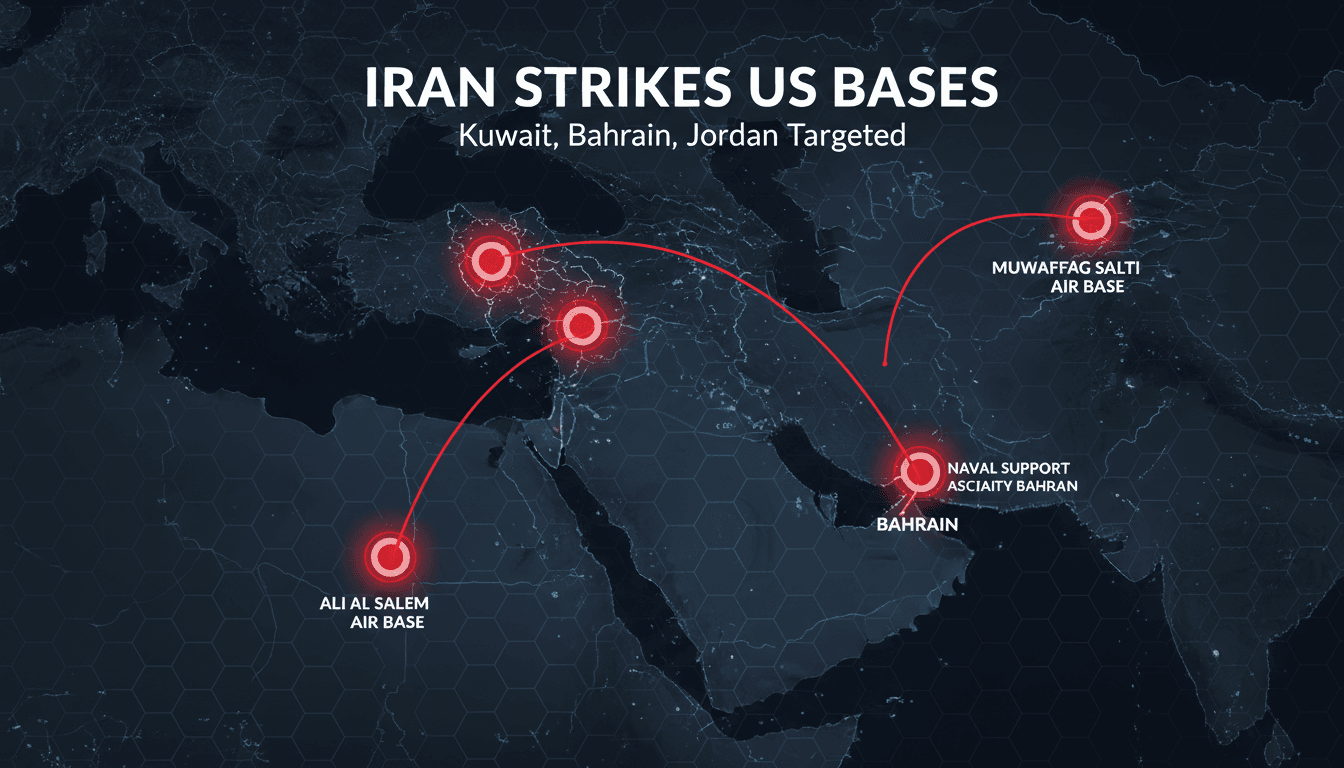
Here's what it means for you.
The recent missile strikes by Iran on U.S. military installations in Kuwait, Bahrain, and Jordan signify a critical escalation in Middle Eastern tensions. This development could lead to increased military confrontations, impacting regional stability and international relations. Stakeholders, including U.S. allies in the region, will need to closely monitor the situation as potential retaliatory actions may unfold. The implications extend beyond military engagements, potentially affecting global markets and energy prices as instability in the region often correlates with fluctuations in oil supply and demand. Policymakers will need to reassess their strategies in light of these developments.
What happened
Iranian forces have launched missile attacks targeting American military sites in Kuwait, Bahrain, and Jordan, as reported by Iranian state media. The Iranian military claims these strikes were aimed specifically at U.S. military installations and infrastructure. This action marks a significant escalation in hostilities between Iran and the United States.
The missile strikes occurred on July 15, 2026, and were confirmed by the Iranian military shortly thereafter. The attacks highlight the ongoing tensions in the region, as Iran continues to assert its military capabilities against perceived threats.
The Context
The missile strikes are part of a broader pattern of escalating tensions between Iran and the United States in the Middle East. The targeted countries—Kuwait, Bahrain, and Jordan—are key U.S. allies, which amplifies the stakes involved in this conflict. The Iranian military's claims of responsibility underscore the seriousness of the situation and the potential for further military engagements.
This escalation comes at a time when regional dynamics are already fraught with uncertainty. The involvement of multiple countries in this conflict raises concerns about a wider military confrontation, which could destabilize the entire region.
Takeaway
As the situation develops, the potential for a U.S. response to the Iranian attacks remains a critical point of focus. Observers should watch for any retaliatory actions from the U.S. and its allies, which could further escalate military tensions in the region. The ongoing hostilities may lead to broader implications for international relations and security in the Middle East.
Future developments in regional military engagements will be crucial to understanding the trajectory of this conflict. Stakeholders must remain vigilant as the situation evolves, given the potential for significant geopolitical ramifications.
Jordanian news and regional updates.
"Roya News is a Jordanian outlet focused on breaking news and local affairs."
— A47 Editor
الجيش الإيراني: استهدفنا معسكرات ومقار أمريكية وجسورا في الكويت
Iranian media reported claims from the Iranian military stating that they targeted American camps, facilities, and bridges in Kuwait. This assertion highlights ongoing tensions in the region and reflects Iran's military posture towards U.S. presence ...
Arabic-language coverage of international news and geopolitics.
"RT Arabic is a Russian state-funded outlet often criticized for promoting Kremlin-aligned narratives."
— A47 Editor
إيران تكشف طبيعة الأهداف التي طالتها هجماتها الصاروخية على الكويت
Iranian state media reported that Iranian military forces targeted American military sites in Kuwait with missile strikes, as confirmed by a statement from the Iranian army. This escalation highlights the ongoing tensions in the region and the potent...
Pan-Arab news coverage spanning politics, business, sports, and regional affairs.
"Asharq Al-Awsat reflects a broad Arab editorial perspective with strong attention to regional geopolitics."
— A47 Editor
إيران تعلن استهداف «مواقع أميركية» في الكويت والبحرين والأردن
Iranian state television reported that the Iranian military and the Revolutionary Guard launched attacks on American targets in Kuwait, Bahrain, and Jordan on Wednesday morning. This escalation marks a significant increase in tensions in the region, ...