
US and Iran to Resume Negotiations in Doha Amid Rising Tensions
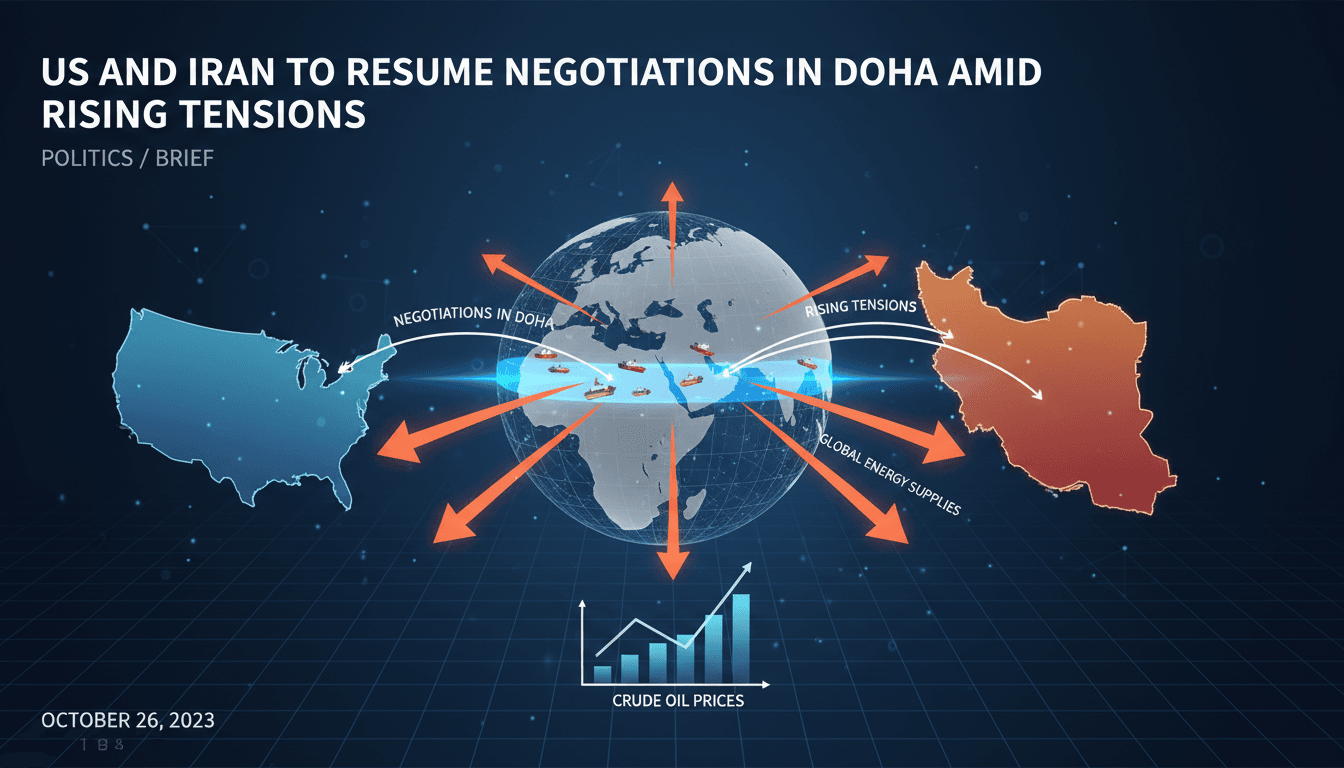
Here's what it means for you.
The resumption of negotiations between the U.S. and Iran in Doha signals a potential shift in regional dynamics, particularly concerning energy security and geopolitical stability. As both nations seek to address escalating tensions, the outcome of these discussions could have far-reaching implications for global markets and diplomatic relations. Stakeholders should closely monitor developments, as agreements reached may influence future energy supplies and international policy.
What happened
Negotiations between the United States and Iran are set to resume in Doha, focusing on the rising tensions over the Strait of Hormuz. Both countries have agreed to halt recent hostilities, which paves the way for crucial diplomatic discussions. The meeting is expected to address significant security concerns regarding global energy supplies and the future of nuclear negotiations between the two nations.
The U.S. delegation is led by envoys Steve Wittekov and Jared Kushner, while Iran's Deputy Foreign Minister has warned of potential disruptions to shipping in the Strait of Hormuz. Oman is facilitating these discussions, emphasizing the importance of maritime navigation in the region. The outcome of the talks will be closely watched by international observers.
The Context
The upcoming meeting follows a period marked by escalating tensions and mutual accusations between the U.S. and Iran. Both nations have expressed a willingness to adhere to a memorandum of understanding, contingent upon reciprocal compliance. This agreement is critical, as it outlines a 60-day timeframe for implementation, which could stabilize the situation in the Strait of Hormuz.
Oman plays a vital role in facilitating these discussions, ensuring that any future arrangements comply with international law. The Strait of Hormuz is a strategic waterway for global oil shipments, making the security of this region paramount for international energy markets. The meeting represents a critical juncture for U.S.-Iran relations, as both nations seek to de-escalate tensions that threaten regional security.
Takeaway
The outcome of the Doha meeting could significantly influence regional stability and international energy security. Potential agreements on maritime navigation and further developments in U.S.-Iran nuclear negotiations will be key areas to watch. While the agreement to halt hostilities is a positive step, ongoing tensions and mutual distrust may hinder progress.
Continued diplomatic engagement will be essential to address the underlying issues that have fueled conflict in the region. Stakeholders should remain vigilant as the situation evolves, as the implications of these discussions extend beyond the immediate parties involved.
Arabic-language coverage of political affairs and current events.
"Okaz political coverage typically follows mainstream Saudi framing on national and regional affairs."
— A47 Editor
رغم تضارب التصريحات.. وفدا أمريكا وإيران في الدوحة
Despite conflicting statements from Washington and Tehran regarding the Doha meeting, negotiation teams from both countries are expected to arrive in the Qatari capital today. The meeting comes amid rising tensions and concerns over the security of g...
Pan-Arab news coverage spanning politics, business, sports, and regional affairs.
"Asharq Al-Awsat reflects a broad Arab editorial perspective with strong attention to regional geopolitics."
— A47 Editor
وقف الضربات ينعش التفاوض بين واشنطن وطهران
A cessation of mutual attacks between the United States and Iran has revitalized negotiations, with U.S. President Donald Trump confirming a meeting scheduled for today in Doha. This development marks a significant shift in the ongoing tensions betwe...
Arabic-language coverage of Saudi, regional, and international affairs.
"Al Bilad offers mainstream Saudi newspaper coverage across domestic and broader Arab topics."
— A47 Editor
اتفاق أمريكي إيراني على وقف التصعيد
Iran and the United States have agreed to halt recent hostilities and resume discussions regarding their dispute over the Strait of Hormuz, a significant step that could prevent further military exchanges that threatened a temporary ceasefire. A seni...