
Netanyahu Plans Broad Coalition Government Excluding Arab Parties Ahead of Elections
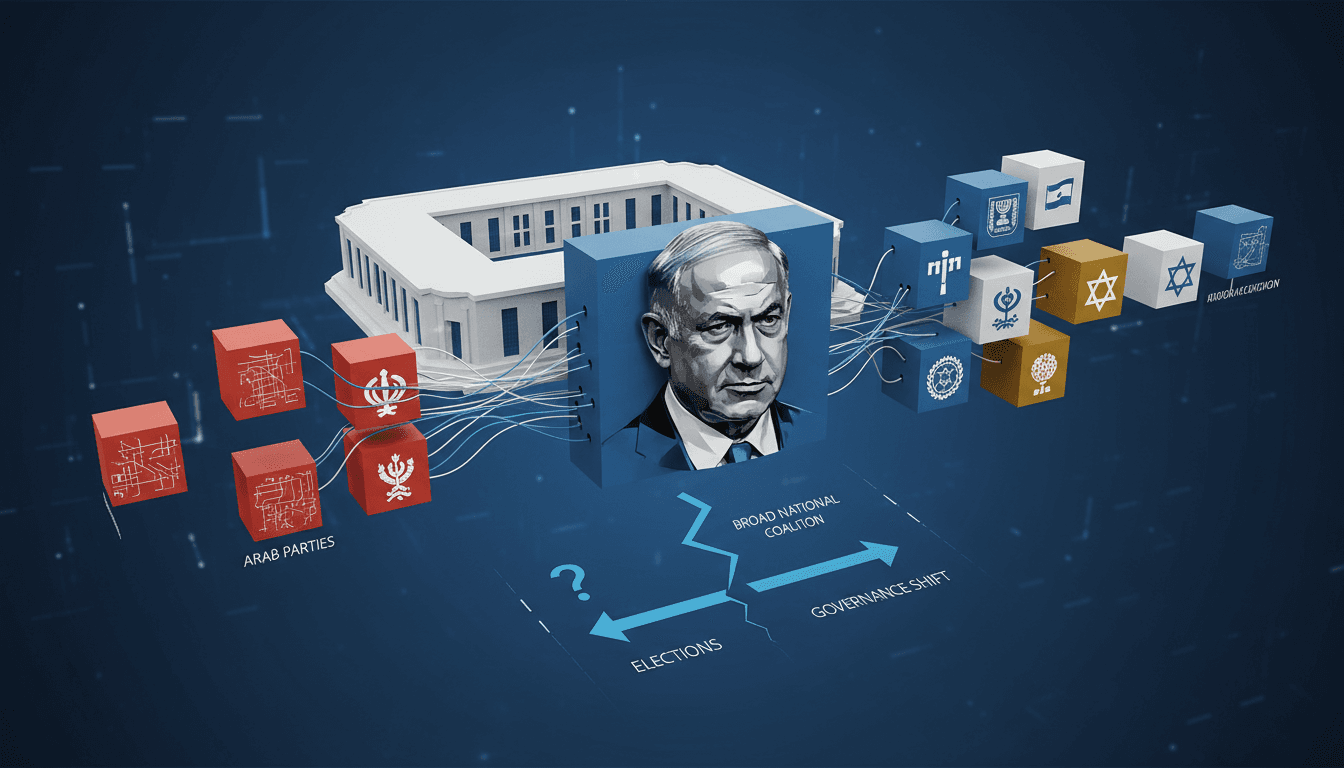
Here's what it means for you.
Israeli Prime Minister Benjamin Netanyahu's announcement to form a coalition government without Arab parties signals a significant shift in the political landscape. This strategy may consolidate his power while addressing pressing national security concerns. The implications for governance and coalition dynamics could reshape Israeli politics, particularly in the context of upcoming elections. As the elections draw near, the public's response to this coalition strategy will be crucial. Observers should monitor how this decision influences voter sentiment and the reactions from opposition parties.
What happened
On June 27, 2026, Israeli Prime Minister Benjamin Netanyahu declared his intention to establish a broad coalition government if he secures victory in the upcoming elections. He emphasized that this government would not include Arab parties, marking a notable shift in his coalition strategy. Netanyahu's plan aims to unify various factions to effectively address national security threats facing Israel.
This announcement comes at a critical juncture as the nation prepares for elections. By distancing himself from both far-right elements and Arab parties, Netanyahu seeks to create a consensus-driven government focused on national unity.
The Context
Netanyahu's coalition strategy reflects the complexities of Israeli politics, particularly as the nation grapples with ongoing security challenges. The decision to exclude Arab parties may alienate significant segments of the population, raising questions about the inclusivity of his proposed government. Key political figures, such as Ben Gvir and Gantz, have already expressed opposition to Netanyahu's coalition plans, indicating potential challenges ahead.
The timing of this announcement is crucial, as it comes just before elections that could significantly alter the political landscape. The outcome of these elections will determine the feasibility of Netanyahu's coalition and its approach to governance.
Takeaway
As the elections approach, the political dynamics in Israel may shift dramatically based on public reaction to Netanyahu's coalition strategy. Observers should pay close attention to the election results and their implications for coalition formation. Additionally, reactions from opposition parties and the public will provide insight into the broader impact of Netanyahu's announcement on Israeli governance.
The formation of a broad coalition could reshape how national security issues are addressed in Israel, making it a pivotal moment in the country's political history.
Jordanian news and regional updates.
"Roya News is a Jordanian outlet focused on breaking news and local affairs."
— A47 Editor
نتنياهو يعلن عزمه تشكيل ائتلاف حكومي موسع بعيدًا عن اليمين المتطرف.. فيديو
Israeli Prime Minister Benjamin Netanyahu announced on Saturday his intention to form an expanded government coalition that moves away from far-right elements. This decision reflects a strategic shift in his political approach amidst ongoing challeng...
Arabic-language coverage of international news and geopolitics.
"RT Arabic is a Russian state-funded outlet often criticized for promoting Kremlin-aligned narratives."
— A47 Editor
"لن تعتمد على الأحزاب العربية".. نتنياهو يعلن عزمه تشكيل حكومة موسعة وبن غفير وغانتس يعارضان
Israeli Prime Minister Benjamin Netanyahu announced his intention to form an expanded national government based on consensus to address various threats, emphasizing that it will not rely on leftist parties or Arab parties.
Pan-Arab news coverage spanning politics, business, sports, and regional affairs.
"Asharq Al-Awsat reflects a broad Arab editorial perspective with strong attention to regional geopolitics."
— A47 Editor
نتنياهو يعتزم تشكيل «حكومة وطنية موسّعة» حال فوزه بالانتخابات
Israeli Prime Minister Benjamin Netanyahu announced his intention to form an expanded national coalition government if he wins the upcoming elections. This statement reflects his strategic approach to governance and coalition-building in the current ...