
UN Shipping Agency Calls for Rejection of Iran's Claims Over Strait of Hormuz
Here's what it means for you.
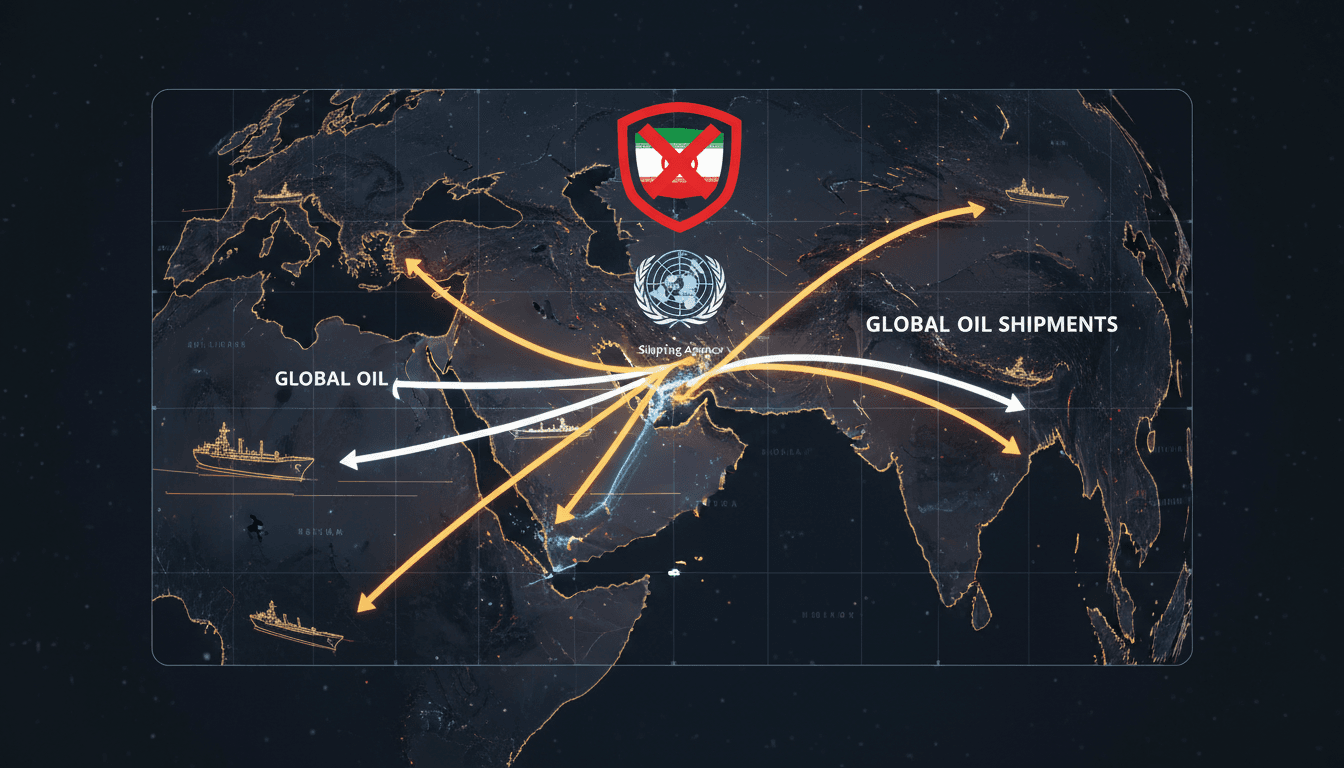
The UN shipping agency's call to reject Iran's sovereignty claims over the Strait of Hormuz signals a critical stance on maritime security. This decision is particularly relevant for global oil markets, as approximately 20% of the world's oil passes through this vital waterway. Increased international military presence may be necessary to ensure the safety of trade routes and prevent further escalation of tensions in the region. As hostilities between the U.S. and Iran continue to rise, the implications for international trade and energy security are profound. Stakeholders in the energy sector should closely monitor developments, as they could impact oil prices and supply chains.
What happened
The UN shipping agency's governing council convened on July 10, 2026, and unanimously agreed that countries should reject Iran's unilateral claims over the Strait of Hormuz. This decision follows a series of escalating hostilities between the U.S. and Iran, including military airstrikes. The council's statement reflects growing international concerns regarding maritime security in this critical corridor.
Iran's recent actions, including attempts to assert control over traffic in the Strait, have heightened tensions with the U.S. and other nations. The UN agency's response underscores the importance of maintaining open and secure maritime routes for global trade.
The Context
The Strait of Hormuz is a vital waterway for global oil shipments, making its security crucial for energy markets worldwide. Iran's unilateral decisions regarding traffic control have raised alarms among international stakeholders, particularly as the U.S. has accused Iran of attacking ships in the region. The ongoing geopolitical dynamics are complex, with multiple nations invested in the stability of this maritime corridor.
As tensions escalate, the international community faces the challenge of navigating these dynamics to ensure the security of vital trade routes. The UN shipping agency's decision reflects a collective concern over the implications of Iran's actions on global maritime security.
Takeaway
The international community's response to Iran's claims will be pivotal in shaping future maritime security in the region. Potential military responses from the U.S. and its allies could further influence the situation, as could developments in Iran's maritime policies. Stakeholders should remain vigilant as the situation evolves, given its implications for global energy markets and trade.
Monitoring these developments will be essential for understanding the broader geopolitical landscape and its impact on maritime security.
Pan-Arab news coverage spanning politics, business, sports, and regional affairs.
"Asharq Al-Awsat reflects a broad Arab editorial perspective with strong attention to regional geopolitics."
— A47 Editor
«المنظمة البحرية الدولية»: يتعيّن رفض مساعي إيران للسيطرة على مضيق هرمز
The International Maritime Organization (IMO) has reached a consensus on the necessity for countries to reject Iran's attempts to assert control over the Strait of Hormuz, labeling Tehran's decision as a unilateral action.
Regional coverage and analysis focused on politics, diplomacy, and business across the Middle East.
"Al-Monitor is known for analytical reporting on Middle East politics and policy developments."
— A47 Editor
Countries must reject Iran efforts to control Hormuz, UN agency document says
The U.N. shipping agency's governing council has urged countries to reject Iran's attempts to assert control over the Strait of Hormuz and its unilateral decision to establish a traffic control body in the waterway. This comes amid escalating tension...
Oil, metals, and agriculture: supply/demand headlines, OPEC chatter, inventories, and price action.
"Solid tape for energy and metals traders tracking macro and micro catalysts."
— A47 Editor
Countries must reject Iran efforts to control Hormuz, UN agency document says
A recent document from a UN agency emphasizes that countries should reject Iran's attempts to exert control over the Strait of Hormuz, a vital maritime route for global oil shipments. This assertion comes amid rising tensions in the region, particula...