
VAR controversy intensifies at 2026 World Cup as debates over officiating escalate
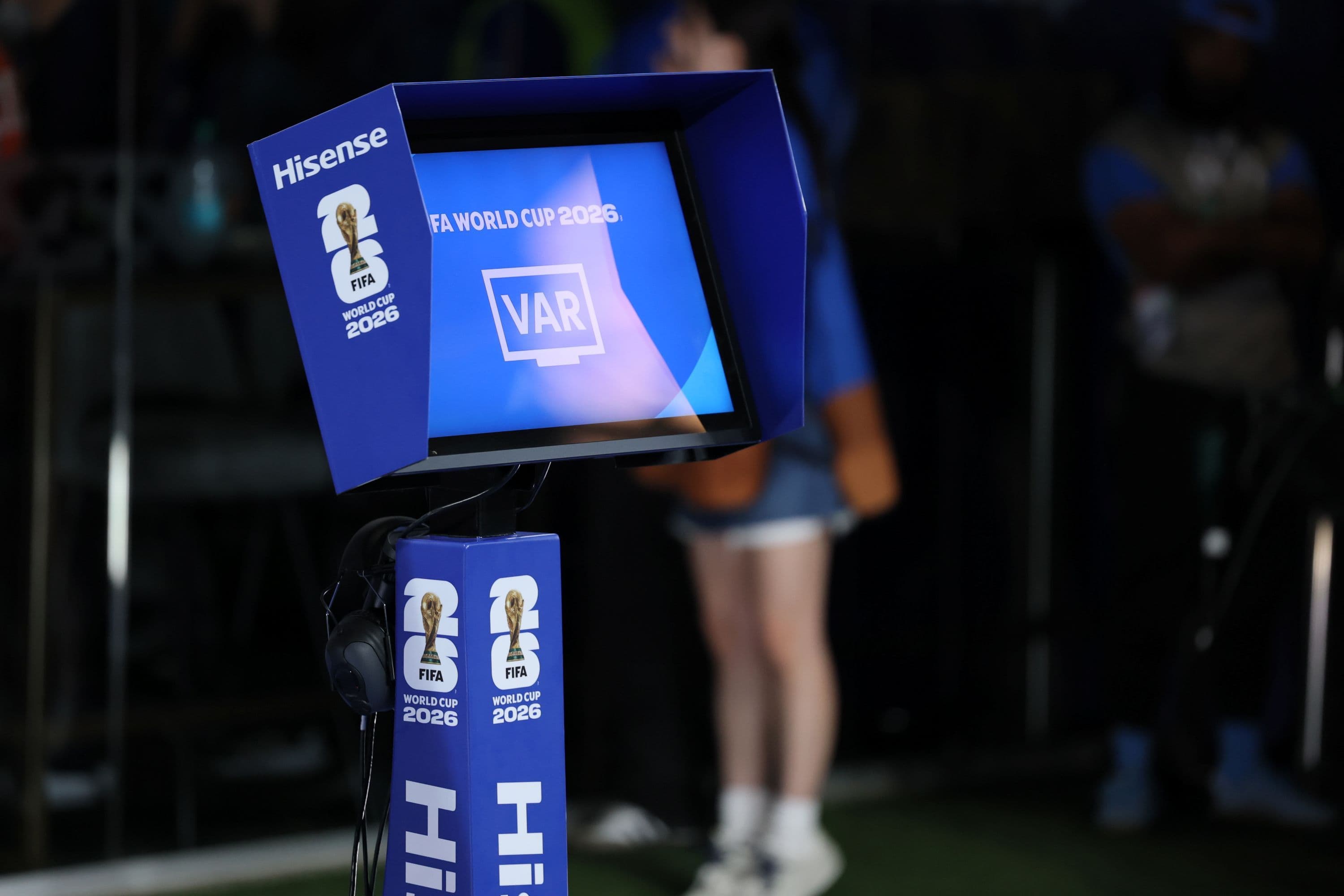
Here's what it means for you.
The ongoing debates surrounding the Video Assistant Referee (VAR) system at the 2026 World Cup highlight a critical moment for soccer officiating. As fans and analysts voice their concerns, the future of VAR may hinge on public sentiment and its perceived effectiveness. The outcome of these discussions could lead to significant changes in how officiating is approached in future tournaments. With only four matches left in the tournament, the urgency for resolution is palpable. Stakeholders are closely monitoring the situation, as the implications of VAR's performance could reshape the landscape of soccer officiating.
What happened
The introduction of the Video Assistant Referee (VAR) system at the 2026 World Cup has sparked significant controversy, becoming a focal point of debate among fans and analysts alike. Mixed reactions have emerged regarding VAR's effectiveness and its impact on the spirit of the game. As the tournament progresses, the contentious nature of VAR has led to widespread criticism, particularly concerning controversial calls made during matches.
Countries like Sweden have actively rejected the use of VAR, further illustrating the divide among fans and players. With only four matches remaining, the discussions surrounding VAR's role in officiating are intensifying, as its controversial application continues to dominate headlines.
The Context
VAR was implemented to reduce officiating errors in soccer, aiming to enhance fairness in the game. However, its controversial calls have led to polarizing opinions across different countries, with critics arguing that VAR undermines the essence of soccer. The ongoing debates reflect a broader concern about how technology is integrated into sports and its impact on traditional gameplay.
As the tournament nears its conclusion, the scrutiny of VAR's effectiveness is likely to increase. Stakeholders, including fans, players, and governing bodies, are evaluating the system's role and its future in soccer. The outcome of these discussions may influence how VAR is implemented in upcoming tournaments.
Takeaway
As the 2026 World Cup progresses, the effectiveness and acceptance of VAR will likely continue to shape discussions around officiating in soccer. Observers should monitor how VAR decisions influence the outcomes of the remaining matches, as well as any potential changes in its implementation based on feedback from this World Cup. The ongoing debates may set the stage for significant adjustments in how officiating is approached in the future.
The future of VAR remains uncertain, with stakeholders keenly assessing its impact on the game. Continued scrutiny and public response will play a crucial role in determining VAR's place in soccer moving forward.
Emerging technologies, digital transformation, IT, and cultural impact of tech.
"WIRED covers the intersection of technology, culture, and politics with a progressive, forward-looking editorial stance."
— A47 Editor
The Problem With VAR at the 2026 World Cup Isn’t the Technology—It’s Who Interprets It
The introduction of the video assistant referee (VAR) system at the 2026 World Cup has sparked controversy due to inconsistent interpretations of the technology, raising questions about its effectiveness in enhancing officiating accuracy.
Sports news with an emphasis on business, economics, and strategy behind major events and leagues.
"WSJ’s sports coverage is distinguished by its focus on financial and strategic aspects of the sports world."
— A47 Editor
Everyone Hates the World Cup’s Instant Replay. This Country Actually Banned It.
Sweden has taken a notable stance against the Video Assistant Referee (VAR) system, which has been widely adopted in European soccer, by officially banning its use in the country. This decision reflects a strong sentiment among Swedish soccer support...
Breaking news, politics, business, and entertainment from the U.S. and around the world.
"The New York Post is a tabloid-format newspaper known for its sensationalist headlines and conservative-leaning editorial tone."
— A47 Editor
VAR has stolen the show at World Cup for good and for bad
The introduction of the video assistant referee (VAR) at the World Cup has sparked intense debate, becoming a focal point of controversy as the tournament nears its conclusion with only four matches left. VAR's role has been polarizing, with opinions...
Coverage of professional and college sports, with a West Coast perspective.
"The Los Angeles Times is a major West Coast newspaper offering in-depth reporting with a liberal editorial tone and strong regional focus."
— A47 Editor
How VAR, a system designed to correct errors, became this World Cup's biggest villain
The Video Assistant Referee (VAR) system, intended to rectify significant errors in soccer, has faced substantial criticism during the 2026 FIFA World Cup for undermining the integrity of the game. Players and coaches have voiced their frustrations o...