
Trump Postpones AI Oversight Executive Order Amid Lobbying Pressure
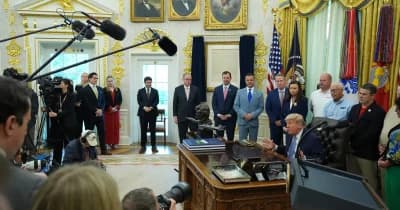
Here's what it means for you.
The postponement of President Trump's executive order on artificial intelligence oversight signals a significant shift in the regulatory landscape for the tech industry. As lobbying efforts from tech leaders gain traction, the preference for industry self-regulation over government intervention may reshape future policies. This development could lead to a more innovation-friendly environment, but it raises concerns about accountability and oversight in the rapidly evolving AI sector. The decision reflects ongoing tensions within the White House regarding technology policy, highlighting the complexities of balancing innovation with necessary regulation. Stakeholders in the tech industry will need to navigate this evolving landscape as they advocate for their interests while addressing public concerns about AI.
What happened
President Trump has postponed an executive order on artificial intelligence oversight that was initially expected to be signed on May 21, 2026. The delay comes amid significant lobbying from tech leaders who favor a self-regulatory approach rather than strict government controls. This decision has sparked discussions about the future of AI regulation and the role of government in overseeing technological advancements.
The unsigned executive order included provisions aimed at addressing bad actors in the AI space and referenced the Computer Fraud and Abuse Act for enforcement. The announcement of the postponement was made public shortly after the expected signing date, indicating a shift in the administration's approach to AI oversight.
The Context
The postponement of the AI oversight executive order underscores internal divisions within the White House regarding technology policy. Stakeholders, including tech leaders and government officials, are grappling with how best to manage the rapid development of AI technologies. The emphasis on voluntary government reviews in the draft order reflects a growing preference for industry self-regulation.
As the tech industry continues to evolve, the balance between regulation and innovation will be critical. The ongoing lobbying efforts from tech leaders suggest a strong desire for a regulatory framework that prioritizes innovation while minimizing government intervention. This dynamic will likely influence future technology policies and industry practices.
Takeaway
The ongoing debate over AI regulation will shape future technology policies and industry practices. As the White House navigates the complexities of oversight versus innovation, stakeholders should monitor further developments in AI regulation closely. Responses from tech industry leaders regarding self-regulation will also be crucial in determining the direction of future policies.
The potential shift towards self-regulation raises questions about accountability and the effectiveness of voluntary compliance in the tech sector. As this situation unfolds, it will be essential to observe how the balance between innovation and oversight is maintained.
Curated tech headlines including AI stories.
"Influential aggregator surfacing the day’s top tech/AI links."
— A47 Editor
A look at a copy of the AI EO that President Trump was expected to sign on May 21; the unsigned EO emphasized that government AI reviews would be voluntary (Sophia Cai/Politico)
A draft of an executive order (EO) that President Trump was expected to sign on May 21 has surfaced, emphasizing that government reviews of artificial intelligence (AI) would be voluntary. The unsigned EO also includes provisions aimed at addressing ...
Research, news, and analysis on blockchain startups, DeFi, and regulations.
"Crypto Briefing provides research, news, and analysis on blockchain startups, DeFi, and crypto regulations with investor-focused coverage."
— A47 Editor
Trump postpones AI oversight order amid lobbying from tech leaders
Former President Donald Trump has postponed an executive order aimed at overseeing artificial intelligence (AI) amid significant lobbying from technology leaders, which may lead to a landscape of self-regulation within the industry.
Capitol Hill news, legislation, and policy insight.
"The Hill specializes in U.S. politics and policy, with a focus on Capitol Hill developments and a reputation for insider reporting."
— A47 Editor
What Trump’s switch on AI order says about WH divides over tech policy
President Trump has canceled the signing of an executive order on artificial intelligence testing, revealing significant divisions within the White House regarding technology policy. The decision reflects concerns that regulatory measures could hinde...