
U.S. and Iran initiate 60-day negotiations following oil flow agreement
Here's what it means for you.
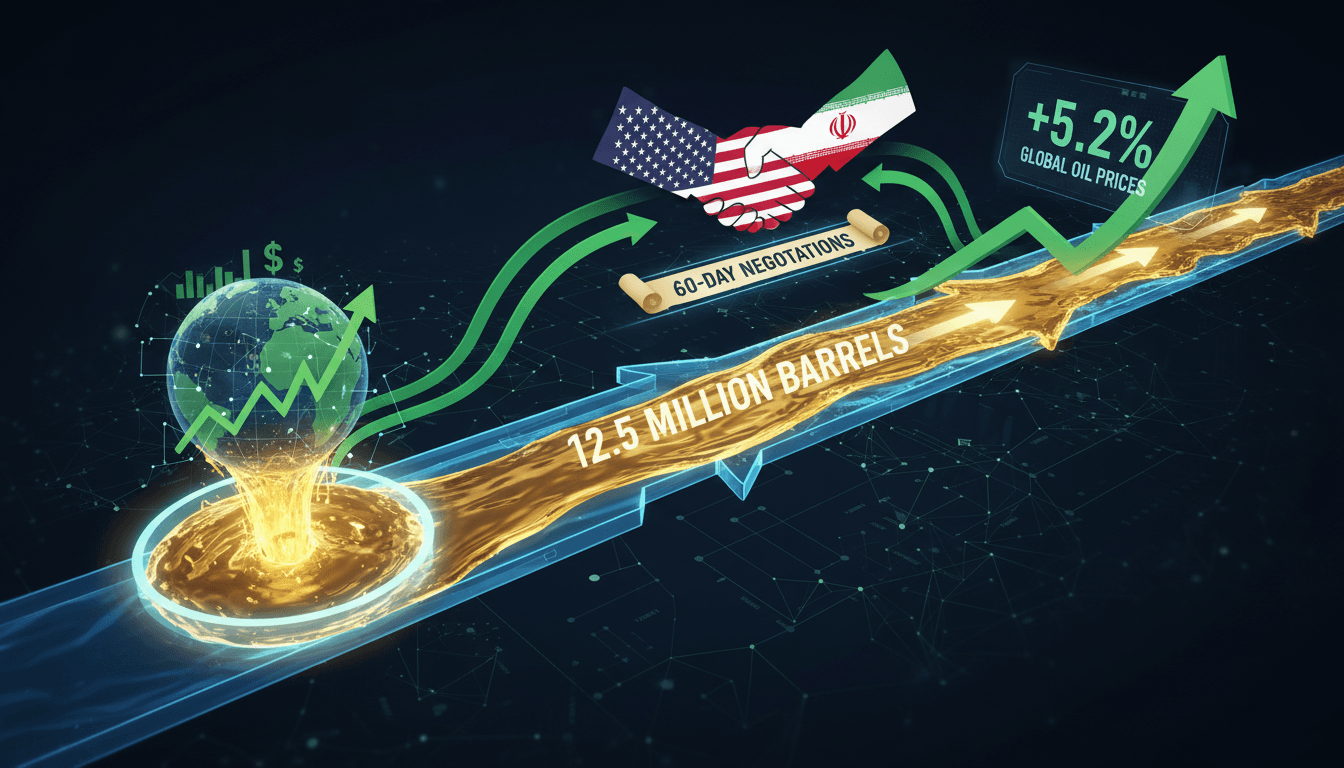
The recent memorandum of understanding (MOU) between the U.S. and Iran signals a pivotal moment in international relations, particularly concerning energy markets. With 12.5 million barrels of oil already flowing through the Strait of Hormuz, the agreement is expected to stabilize oil prices and enhance market confidence. Stakeholders in the energy sector should closely monitor the outcomes of the upcoming negotiations, as they will likely influence both U.S.-Iran relations and global oil supply dynamics.
What happened
On June 17, 2026, a memorandum of understanding was signed between the U.S. and Iran, marking the beginning of a 60-day negotiation period. This agreement was announced by U.S. Vice President JD Vance, who emphasized its immediate positive impact on oil prices. Since the signing, 12.5 million barrels of oil have flowed through the strategically vital Strait of Hormuz, indicating a swift response to the new terms.
The MOU aims to ensure that the Strait of Hormuz remains a free passage for oil and gas shipments, a critical aspect for global energy security. The negotiations will focus on furthering diplomatic relations and addressing key issues that have historically strained U.S.-Iran ties.
The Context
The MOU was signed during a dinner between President Trump and French President Emmanuel Macron, highlighting the international diplomatic efforts surrounding this agreement. The timing is significant, as the Strait of Hormuz is a crucial route for oil transport, and any disruptions can have far-reaching effects on global oil prices. The U.S. administration's commitment to maintaining free passage in this region underscores its strategic importance in the energy market.
As the negotiations unfold, various stakeholders, including global oil markets and other nations, will be watching closely. The outcome of these discussions could reshape the geopolitical landscape and influence energy policies worldwide.
Takeaway
The next 60 days will be critical in determining the effectiveness of the MOU in stabilizing oil prices and improving U.S.-Iran relations. Observers should monitor developments in the negotiations, as well as reactions from global oil markets and other nations regarding the agreement. The implications of this MOU extend beyond immediate oil flow, potentially affecting long-term energy strategies and international relations.
As the situation evolves, the focus will remain on how these negotiations impact both the U.S. and Iran, as well as the broader global energy landscape.
European coverage of Middle East politics and security issues.
"France 24 offers international reporting with a European editorial perspective."
— A47 Editor
Replay: US VP JD Vance defends Iran-US agreement and FRANCE 24's analysis
U.S. Vice President JD Vance defended the recent Iran-U.S. agreement during a broadcast from Washington, addressing the growing criticism surrounding the memorandum of understanding. This deal aims to mitigate longstanding tensions between the two na...
Regional coverage and analysis focused on politics, diplomacy, and business across the Middle East.
"Al-Monitor is known for analytical reporting on Middle East politics and policy developments."
— A47 Editor
Vance says 60-day period in Iran deal begins Thursday
U.S. Vice President JD Vance announced that the 60-day period outlined in a memorandum of understanding between the U.S. and Iran officially begins on Thursday. This agreement, signed by President Donald Trump and Iranian leaders, aims to facilitate ...
News across North, Central, and South America including politics and economics.
"France 24 is viewed as a globally focused outlet with balanced coverage and a European perspective."
— A47 Editor
Vance says 60-day negotiating period under draft deal with Iran begins today
US Vice President JD Vance announced that a 60-day negotiating period under a draft deal with Iran has commenced, following the signing of a memorandum of understanding. This agreement allows for the flow of approximately 12.5 million barrels of oil ...
Capitol Hill news, legislation, and policy insight.
"The Hill specializes in U.S. politics and policy, with a focus on Capitol Hill developments and a reputation for insider reporting."
— A47 Editor
Live updates: Vance says deal with Iran already bringing down oil prices, but Trump's MOU draws heat
Vice President JD Vance announced that a memorandum of understanding (MOU) signed by President Trump with Iran is already leading to a decrease in oil prices as oil begins to flow through the Strait of Hormuz. The MOU was signed during a dinner with ...