
Increased tanker traffic through the Strait of Hormuz amid geopolitical tensions
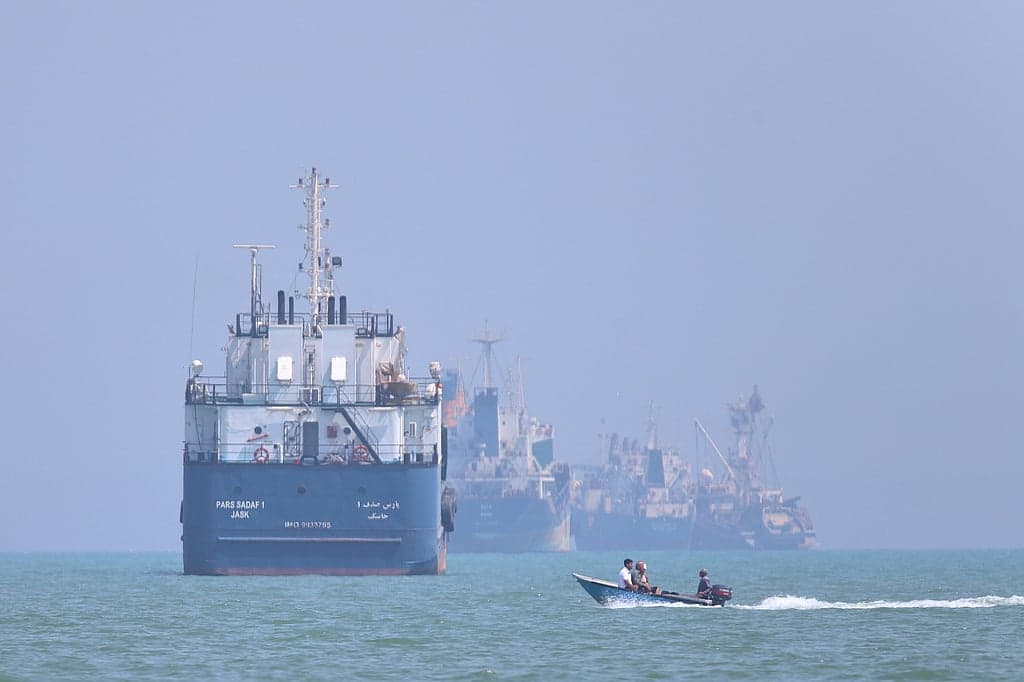
Here's what it means for you.
The recent increase in tanker traffic through the Strait of Hormuz signals a shift in the maritime landscape amid ongoing geopolitical tensions. This development could have significant implications for global oil prices and shipping operations, as operators navigate a complex environment marked by uncertainty. Stakeholders in the energy sector should remain vigilant as the situation evolves, particularly regarding the potential for further disruptions. As tanker operators cautiously resume activities, the backlog of vessels waiting outside the Gulf highlights the precarious nature of maritime operations in this critical region. The interplay between geopolitical dynamics and shipping patterns will be crucial for market participants to monitor in the coming weeks.
What happened
Tanker traffic through the Strait of Hormuz has increased after a period of reduced flows due to security concerns. Reports indicate that while some vessels are now moving, many remain anchored outside the Gulf, awaiting a more stable ceasefire agreement between Iran and the US. This cautious approach by tanker operators reflects the ongoing uncertainty in the region.
Iran's Islamic Revolutionary Guard Corps (IRGC) has claimed that the strait is closed, creating confusion in shipping data. Despite these claims, shipping data suggests that some traffic is resuming, although the overall flow remains affected. The situation is fluid, with hundreds of ships currently waiting for the full reopening of the strait.
The Context
The Strait of Hormuz is a vital maritime route for oil shipments, and its status is heavily influenced by geopolitical tensions, particularly between Iran and the US. The IRGC's conflicting statements regarding the strait's closure have added to the confusion, impacting shipping operations significantly. As a result, ship crossings have reportedly halved, underscoring the strait's critical role in global energy markets.
Many tanker operators are hesitant to move vessels until a stronger ceasefire deal is established, leading to a backlog of ships waiting outside the Gulf. This situation not only affects shipping companies but also has broader implications for global oil prices and international relations. The ongoing tensions in the region will likely continue to shape maritime operations in the near future.
Takeaway
As geopolitical tensions persist, the situation in the Strait of Hormuz will remain a focal point for global shipping and energy markets. Stakeholders should closely monitor developments in the ceasefire negotiations between Iran and the US, as these discussions will be pivotal in determining the future of tanker traffic. Changes in shipping patterns are expected as operators respond to the evolving security situation.
The potential for ongoing disruptions to shipping operations could have lasting impacts on global oil prices. As the situation evolves, market participants must stay informed and prepared for any shifts that may arise from this complex geopolitical landscape.
UAE-based English-language newspaper covering regional politics, economics, and global affairs.
"The National reflects Emirati policy perspectives while maintaining international editorial standards."
— A47 Editor
Ship crossings halve as Iran closes Strait of Hormuz over Israeli attacks
Iran has announced the closure of the Strait of Hormuz, a critical maritime route, in response to ongoing Israeli airstrikes in Lebanon, which it claims violate a ceasefire agreement. This closure has resulted in a significant reduction in ship cross...
Oil, metals, and agriculture: supply/demand headlines, OPEC chatter, inventories, and price action.
"Solid tape for energy and metals traders tracking macro and micro catalysts."
— A47 Editor
Tanker traffic through Hormuz picks up after slower flows due to crossing concerns
Tanker traffic through the Strait of Hormuz has increased following a period of reduced flows due to concerns over crossing safety amid heightened geopolitical tensions. This uptick in shipping activity comes after a series of military actions and wa...
Editor-curated FT homepage stories spanning markets, business, world, and opinion.
"The Financial Times is a globally respected business publication with a centrist/center-left tone and strong markets focus."
— A47 Editor
Hundreds of ships wait outside Gulf for full opening of Hormuz Strait
Hundreds of ships are currently waiting outside the Gulf as tanker operators remain hesitant to move vessels until a ceasefire deal between Iran and the US is solidified. This situation reflects ongoing geopolitical tensions that have led to signific...
UAE-based newspaper covering Gulf politics, society, and international developments.
"Gulf News is one of the UAE’s most prominent English-language publications."
— A47 Editor
Ship traffic slows as Strait of Hormuz uncertainty deepens
Ship traffic through the Strait of Hormuz has significantly slowed due to rising geopolitical tensions and the recent announcement by Iran regarding the closure of this critical maritime route. This development has raised concerns about the implicati...
A curated Gulf News feed featuring major stories across news, business, opinion, and lifestyle.
"Gulf News is a major UAE newspaper whose featured stories feed reflects a broad editorial mix shaped for a Gulf audience."
— A47 Editor
Ship traffic slows as Strait of Hormuz uncertainty deepens
Ship traffic through the Strait of Hormuz has significantly slowed due to rising geopolitical tensions and the recent announcement by Iran regarding the closure of this critical maritime route. This development has raised concerns about the implicati...
UAE-based English-language newspaper covering regional politics, economics, and global affairs.
"The National reflects Emirati policy perspectives while maintaining international editorial standards."
— A47 Editor
Iran's IRGC says Hormuz is shut. Shipping data suggests otherwise
Iran's Islamic Revolutionary Guard Corps (IRGC) has declared the closure of the Strait of Hormuz, citing violations of a ceasefire agreement by the U.S. and Israel amid ongoing conflicts in Lebanon. This announcement has raised concerns about maritim...