
France's Senate passes law regulating fast-fashion retailers
Here's what it means for you.
The recent legislation passed by the French parliament signifies a pivotal shift in the regulation of fast-fashion retailers, particularly those known for their rapid production cycles and low-cost offerings. This law not only imposes fines on companies but also restricts their advertising practices, aiming to mitigate the environmental and social repercussions of ultra fast-fashion. As other countries observe France's approach, this could set a precedent for similar regulatory measures globally. The implications for the fast-fashion industry are profound, as companies may need to reassess their business models to comply with these new standards. Consumers may also experience a shift in the availability and marketing of fast-fashion products, potentially leading to more sustainable consumption patterns.
What happened
The French parliament has officially passed a law aimed at regulating fast-fashion companies, including major players like Shein and Temu. This legislation imposes fines on companies that produce high volumes of low-cost products and bans their advertising practices. The law was the result of over two years of extensive discussions within the French parliament, reflecting a growing concern over the environmental impact of fast fashion.
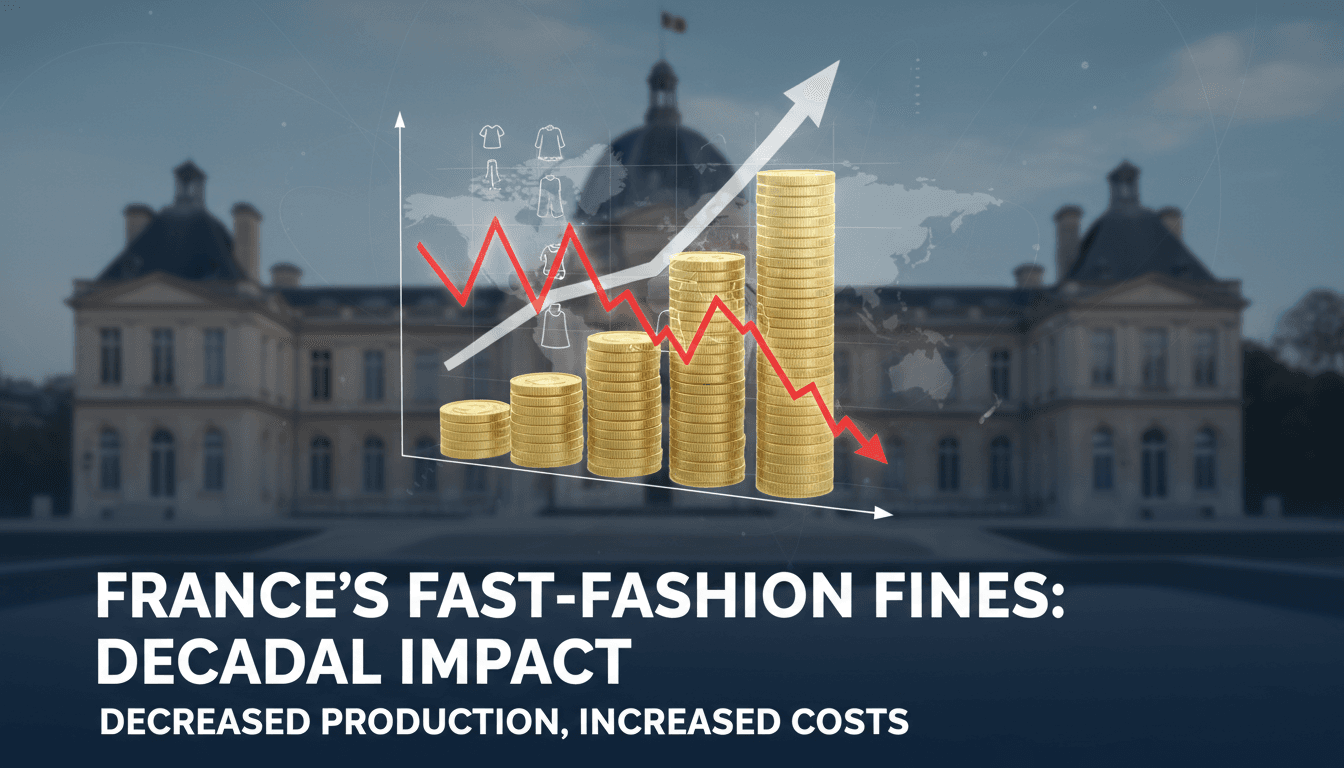
Fines under the new law will range from €0.25 to €10 per product, with the maximum fine expected to be reached by 2030. This structured approach highlights the long-term implications of the legislation, which aims to curb the proliferation of low-quality clothing that contributes to waste and unsustainable consumption.
The Context
The law specifically targets ultra fast-fashion companies that are known for releasing large quantities of inexpensive products. By addressing the advertising practices of these companies, the legislation seeks to reduce their influence on consumer behavior and promote more sustainable fashion choices. The timing of this law is crucial, as it comes amid increasing global scrutiny of fast-fashion practices and their environmental consequences.
Stakeholders in the fashion industry, including manufacturers, retailers, and consumers, will be affected by these new regulations. The law's passage marks a significant step in France's commitment to addressing the social and environmental issues associated with fast fashion, potentially influencing similar legislative efforts in other countries.
Takeaway
As the law takes effect, it will be essential to monitor its impact on consumer behavior and the fast-fashion industry. Observers will be keen to see how fast-fashion companies respond to these new regulations and whether they will adapt their practices to comply. Additionally, the effectiveness of the law in reducing fast-fashion consumption will be a critical area of focus.
Legal challenges from affected companies may also arise, which could shape the future landscape of fast-fashion regulation. The outcomes of this legislation could serve as a benchmark for other nations considering similar measures to address the environmental impact of the fashion industry.
24/7 international news from a French perspective in multiple languages.
"France 24 is viewed as a globally focused outlet with balanced coverage and a European perspective."
— A47 Editor
French parliament passes fast-fashion law to curb Shein and Temu
The French parliament has passed a significant bill aimed at regulating ultra fast-fashion retailers such as Shein, Temu, and AliExpress, following extensive discussions over two years. The law imposes fines ranging from €0.25 to €6 per product this ...
U.S. business news, corporate developments, and economy.
"The Wall Street Journal is respected for deep financial and economic reporting with a center-right editorial perspective."
— A47 Editor
France Passes New Law to Fine Shein, Temu and Ultrafast Fashion
France has enacted a new law aimed at imposing fines on companies like Shein and Temu, which are known for their ultrafast fashion practices that release a high volume of low-cost products. The legislation also prohibits advertising and influencer pr...
Regional and international reporting focused on Middle Eastern politics, diplomacy, and economics.
"Asharq Al-Awsat is a Saudi-owned international newspaper reflecting mainstream Gulf political perspectives."
— A47 Editor
French Parliament Adopts Bill to Regulate Fast Fashion
The French Parliament has adopted a bill aimed at regulating the fast fashion industry, marking a significant step towards addressing the environmental and social impacts associated with rapid clothing production and consumption. This legislation ref...