
US military strikes on Iran escalate tensions in the Strait of Hormuz
Here's what it means for you.
The recent U.S. military strikes against Iran mark a significant escalation in geopolitical tensions, particularly in the vital Strait of Hormuz, a critical shipping lane for global oil transport. The revocation of Iran's oil export license signals a shift in U.S. policy that could have far-reaching implications for energy markets and international relations. Stakeholders in the region, including oil producers and consumers, should prepare for potential volatility as the situation develops. The endorsement of these strikes by NATO leadership underscores a united front against perceived Iranian aggression, which may influence diplomatic relations among allied nations. As military engagement increases, the risk of broader conflict in the region also rises, necessitating close monitoring of developments.
What happened
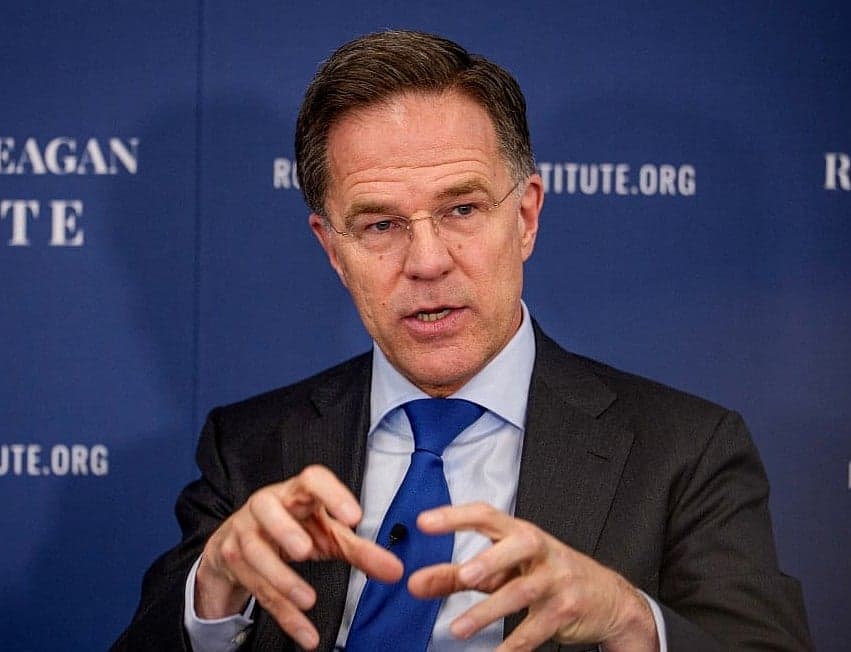
The U.S. launched military strikes against Iran on July 7, 2026, in response to projectile attacks that hit three tankers in the Strait of Hormuz. This military action was part of a broader strategy to address escalating tensions in the region. The strikes were characterized as necessary by NATO Secretary General Mark Rutte, who emphasized the importance of responding to Iranian aggression.
In conjunction with the military strikes, the U.S. revoked a license that allowed Iran to sell oil, further intensifying the situation. This dual approach highlights the U.S. commitment to maintaining stability in a critical area for global oil transport.
The Context
The Strait of Hormuz is a strategic chokepoint for oil shipments, making it a focal point for international maritime security. The recent attacks on tankers have raised alarms about the safety of shipping routes and the potential for increased military presence in the area. NATO's backing of the U.S. actions indicates a collective stance among Western allies regarding Iran's activities.
The timing of these strikes coincides with heightened tensions in the Middle East, where various stakeholders, including Iran and its allies, are likely to respond to U.S. actions. The revocation of Iran's oil export license adds another layer of complexity to the geopolitical landscape, potentially affecting global oil prices and diplomatic relations.
Takeaway
The situation in the Strait of Hormuz remains precarious, with the potential for further military engagement as nations react to the U.S. stance. Observers should monitor subsequent U.S. military actions in the region, as well as responses from Iran and its allies, which could shape the future of regional stability. The ongoing conflict suggests that diplomatic fallout may follow, impacting international relations and energy markets.
As the situation evolves, stakeholders must remain vigilant and prepared for the implications of increased military presence and potential retaliatory actions from Iran.
Regional and international reporting focused on Middle Eastern politics, diplomacy, and economics.
"Asharq Al-Awsat is a Saudi-owned international newspaper reflecting mainstream Gulf political perspectives."
— A47 Editor
New US Attacks on Iran Were Absolutely Necessary, NATO Chief Says
NATO Secretary General Mark Rutte stated that the recent U.S. airstrikes on Iran were 'absolutely necessary' in response to missile attacks on commercial vessels in the Strait of Hormuz, which prompted the U.S. military to target over 80 sites in Ira...
Regional coverage and analysis focused on politics, diplomacy, and business across the Middle East.
"Al-Monitor is known for analytical reporting on Middle East politics and policy developments."
— A47 Editor
New US attacks on Iran were absolutely necessary, NATO chief says
NATO Secretary General Mark Rutte stated that the recent U.S. airstrikes on Iran were 'absolutely necessary' following missile attacks on three tankers in the Strait of Hormuz. The U.S. military responded with strikes targeting over 80 sites in Iran,...
UAE-based newspaper covering Gulf politics, society, and international developments.
"Gulf News is one of the UAE’s most prominent English-language publications."
— A47 Editor
US strikes on Iran 'absolutely necessary': Nato's Rutte
NATO Secretary General Mark Rutte stated that the recent U.S. airstrikes on Iran were 'absolutely necessary' following missile attacks on commercial vessels in the Strait of Hormuz. This military action by the U.S. targeted over 80 sites in Iran, esc...
A curated Gulf News feed featuring major stories across news, business, opinion, and lifestyle.
"Gulf News is a major UAE newspaper whose featured stories feed reflects a broad editorial mix shaped for a Gulf audience."
— A47 Editor
US strikes on Iran 'absolutely necessary': Nato's Rutte
NATO Secretary General Mark Rutte stated that the recent U.S. airstrikes on Iran were 'absolutely necessary' following missile attacks on commercial vessels in the Strait of Hormuz. This military action by the U.S. targeted over 80 sites in Iran, esc...