
Israel threatens military action against Beirut amid Hezbollah drone attacks
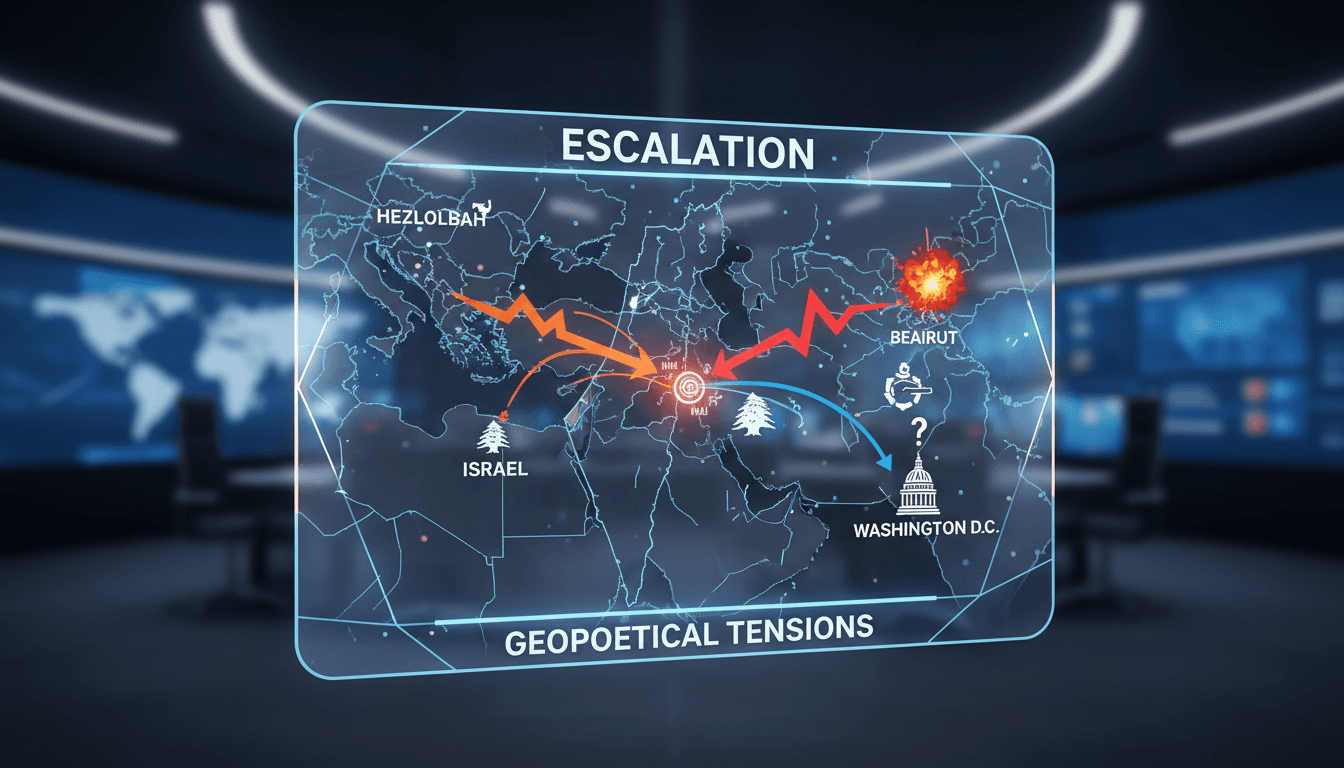
Here's what it means for you.
The escalating tensions between Israel and Hezbollah could have significant implications for regional stability and international diplomatic efforts. As Lebanon prepares for crucial discussions in Washington, the pressure to comply with U.S. security arrangements may complicate its internal dynamics. Stakeholders in the region should closely monitor these developments, as they could influence military and economic strategies moving forward.
What happened
Israel has issued threats to bomb Beirut in retaliation for recent drone attacks attributed to Hezbollah. This aggressive stance marks a significant escalation in military rhetoric, highlighting the ongoing conflict between the two entities. The threats come at a critical time as Lebanon gears up for diplomatic talks in Washington, where it faces mounting pressure to adhere to new security protocols.
The situation is further complicated by Lebanon's insistence on a comprehensive withdrawal of foreign forces as a prerequisite for any security arrangements. This backdrop of military threats and diplomatic negotiations sets the stage for a potentially volatile period in the region.
The Context
Lebanon's leadership is navigating a complex landscape, balancing internal security concerns with external pressures from international powers. The U.S. is advocating for strict conditions on military support to Lebanon, emphasizing the need for state sovereignty over armed groups like Hezbollah. Israel's military threats are perceived as a tactic to influence Lebanon's negotiations in Washington, potentially complicating the country's position.
As Lebanon prepares for these discussions, it faces three key issues: border security, exclusive control of arms, and the looming threat of U.S. sanctions. The interplay of these factors underscores the precarious nature of Lebanon's current situation, as it seeks to maintain stability amid external pressures.
Takeaway
The coming days will be critical for Lebanon as it attempts to balance international demands with its internal security challenges. Observers should monitor the outcomes of the upcoming discussions in Washington, as they could significantly impact Lebanon's military capabilities and regional relations. Additionally, any military actions from Israel in response to Hezbollah's activities will be pivotal in shaping the future landscape of the region.
As tensions rise, the potential for further escalation remains high, making it essential for stakeholders to stay informed and prepared for rapid developments.
Arabic-language coverage of political affairs and current events.
"Okaz political coverage typically follows mainstream Saudi framing on national and regional affairs."
— A47 Editor
قبل جولات واشنطن.. إسرائيل ترفع سقف التهديد لفرض «الاستسلام التقني» على بيروت
Beirut is heading to Washington, D.C., burdened by severe ground realities that exceed verbal threats. Despite the Lebanese government's insistence on a complete withdrawal as a prerequisite for any security arrangements, the situation is complicated...
Pan-Arab news coverage spanning politics, business, sports, and regional affairs.
"Asharq Al-Awsat reflects a broad Arab editorial perspective with strong attention to regional geopolitics."
— A47 Editor
إسرائيل تهدد بقصف بيروت رداً على مسيّرات «حزب الله»
Israel has threatened to resume bombing Beirut and expand its occupation to the Zahrani River in response to Hezbollah's drone attacks. This escalation marks a significant increase in tensions between the two entities, highlighting the ongoing confli...
Pan-Arab news coverage spanning politics, business, sports, and regional affairs.
"Asharq Al-Awsat reflects a broad Arab editorial perspective with strong attention to regional geopolitics."
— A47 Editor
واشنطن تحذر «حزب الله» بعد تهديده بإسقاط الحكومة
Washington has issued a warning to Hezbollah following the group's threats to topple the Lebanese government amid escalating Israeli military actions in southern Lebanon. This situation arises as Israel seeks to detach Lebanon from a potential agreem...